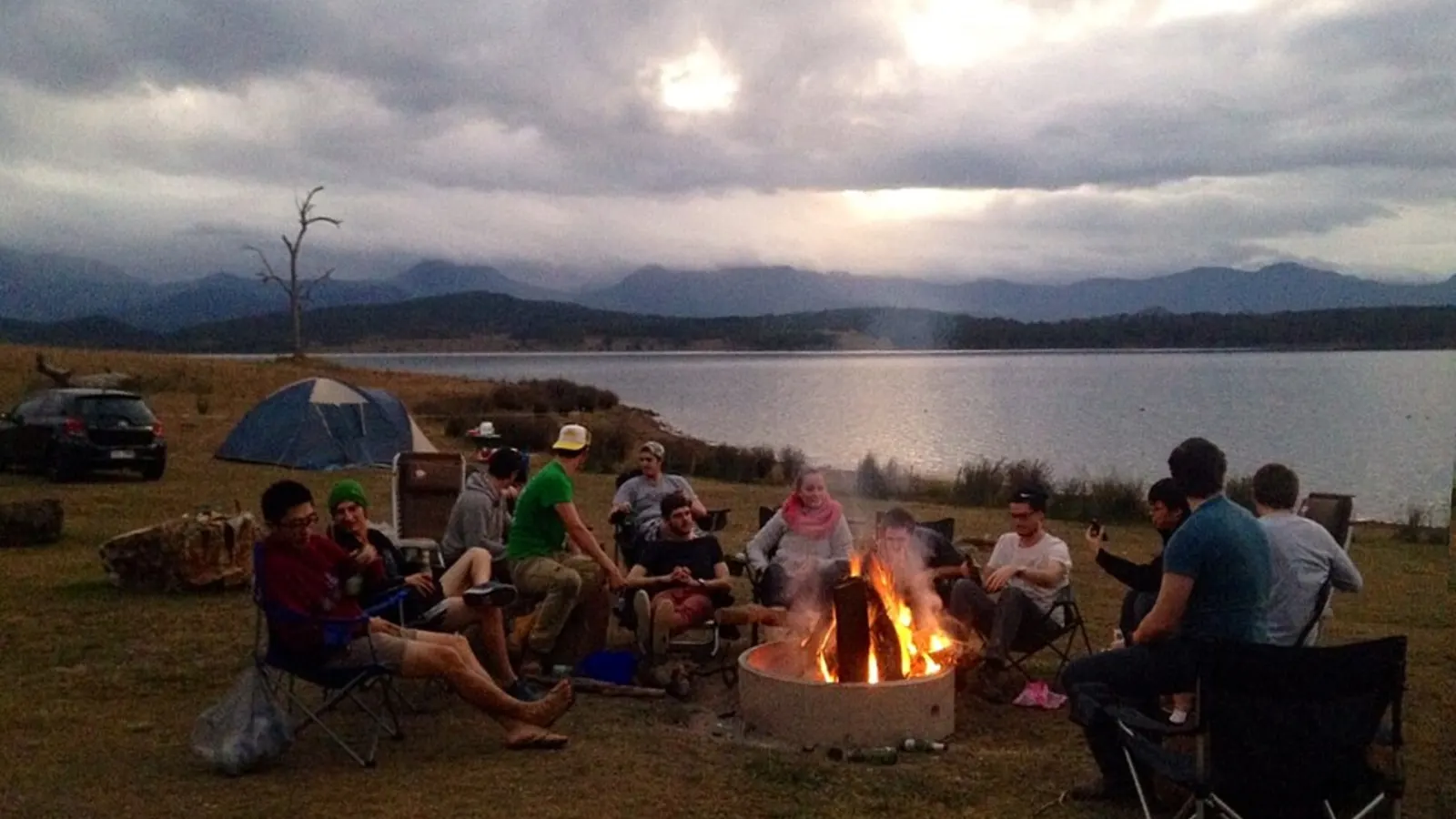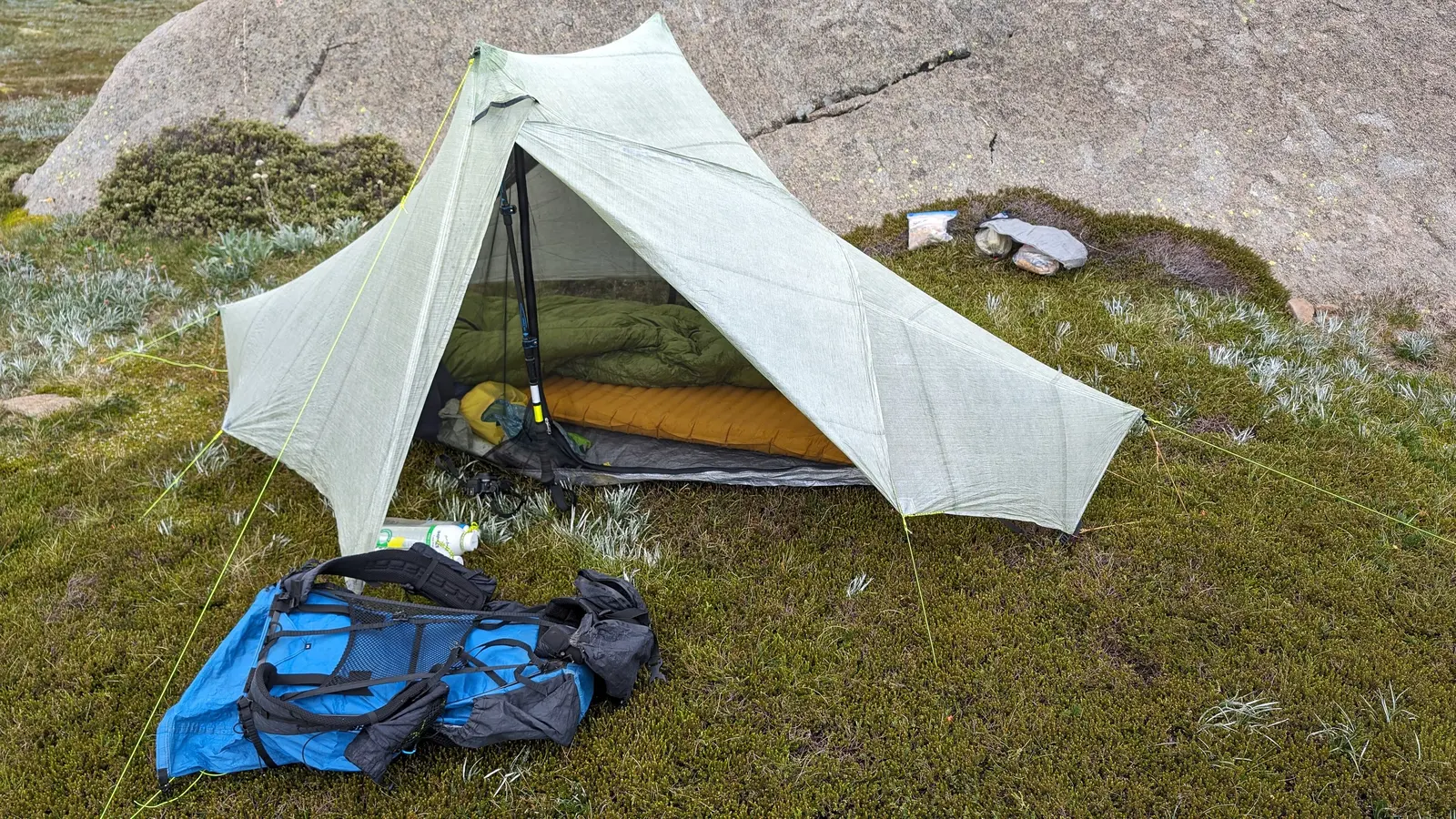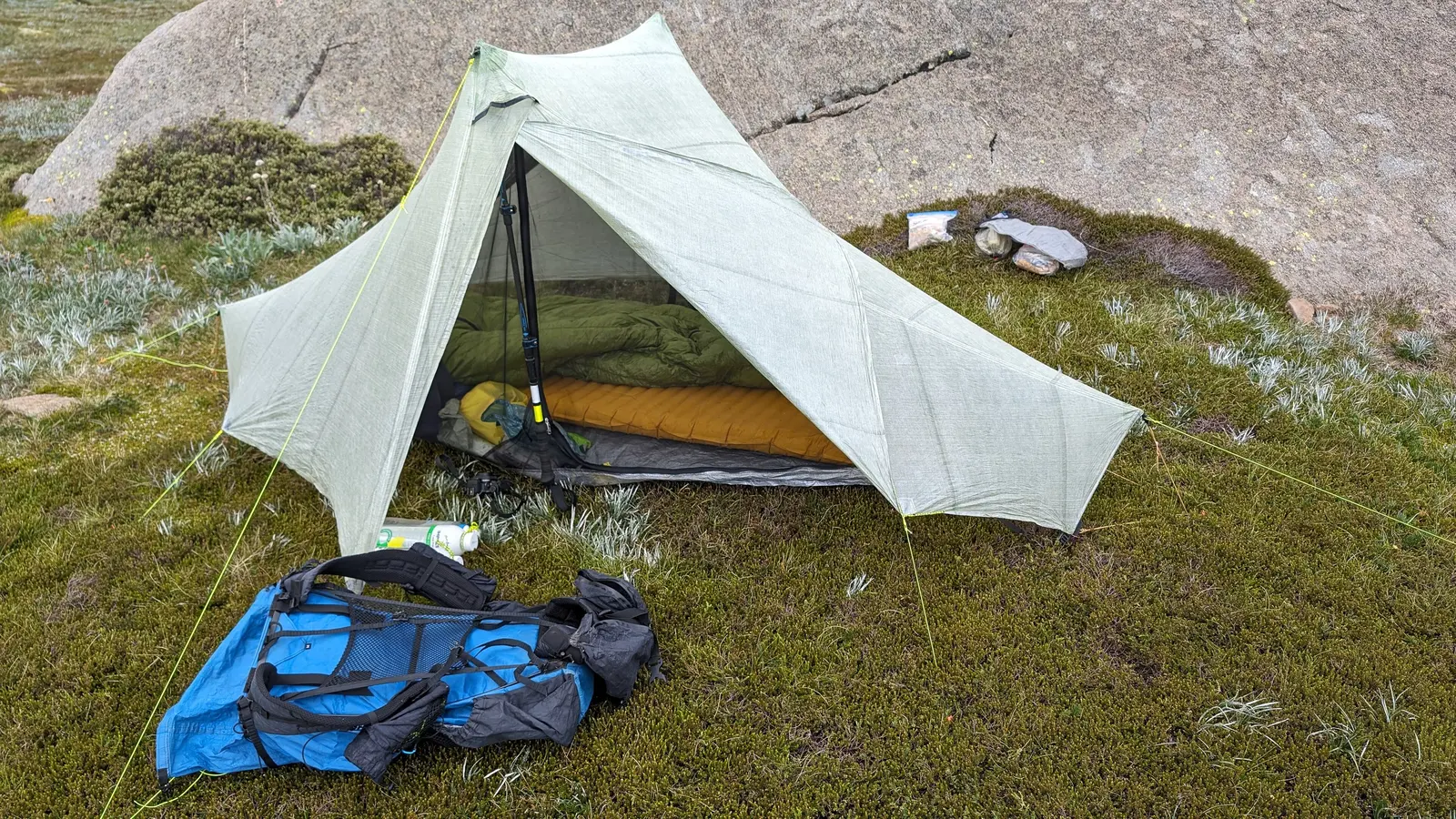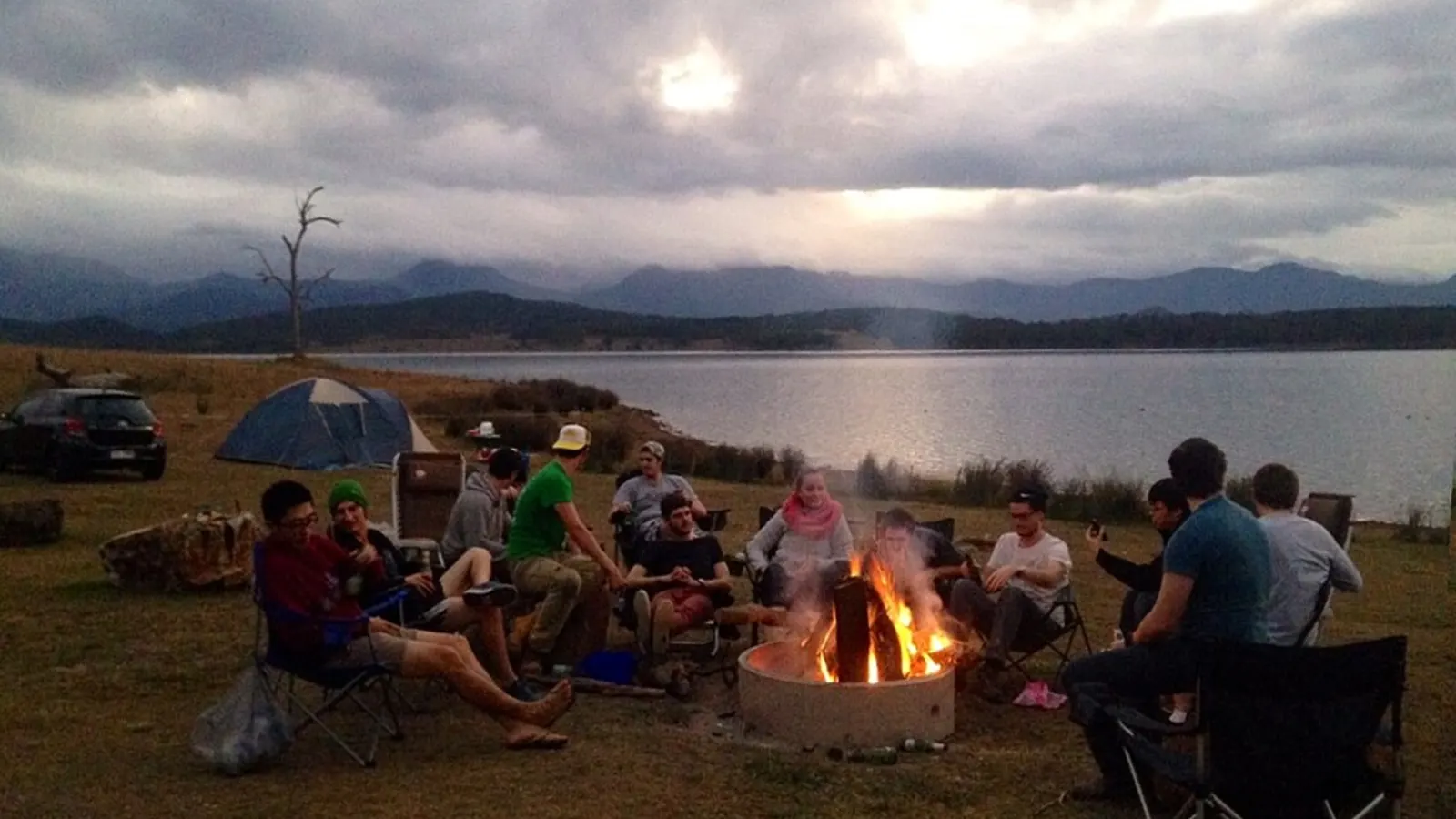
Cooking on a campfire is one of the best parts of camping in Australia, and the classic dish is damper, a simple bread baked in the coals. Before anything else, check that a fire is allowed where you are, because many campgrounds ban fires or have a total fire ban in force. Where a fire is legal, a camp oven, foil parcels, a jaffle iron and a billy of tea cover most of what you will want to cook, and a gas stove is the backup for the days it is not.
Check that a fire is allowed first
A campfire is legal only when there is no fire ban for the district, the land manager allows fires at that site and you use the fire ring or follow the clearance rules. The campfire rules guide covers the rules state by state, and the campground page or the park alert is where you confirm the place itself.
Many campgrounds, especially in national parks, ban wood fires for part or all of the year, and others provide free gas or electric barbecues instead. A barbecue plate cooks most of what is in this guide, so a place without a fire ring is not a reason to skip a hot meal.
- Check the fire ban and the park rules
- Use the fire ring provided
- Free barbecues are a good backup
Damper, the classic
Damper needs only self-raising flour, a good pinch of salt and enough water to make a soft dough, with a little butter rubbed in if you have it. About three cups of flour and a cup of water make a loaf for four. Mix it, knead it briefly, shape it into a round and cut a cross in the top.
Cook it in a camp oven or a heavy pot with a lid, set on a bed of coals with more coals on the lid, for about 25 to 40 minutes. It is done when the base sounds hollow when you tap it. Without a camp oven, wrap the dough around a clean stick and turn it over the coals until it is golden, or flatten small rounds and cook them in a greased pan.
Eat it warm with butter, jam or golden syrup, or use it to mop up a stew. Make a double batch the first time, because it disappears.
- Self-raising flour, salt and water
- Camp oven with coals under and on top
- Done when the base sounds hollow
Camp oven and foil meals
A cast-iron camp oven turns a fire into an oven. Stews, roasts, curries and baked potatoes all work, and heat from coals on the lid cooks the top as well as the base. Use a lid lifter, heat-proof gloves and a shovel for the coals, and learn the rough rule of thumb: more coals on top for baking, more underneath for stewing.
Foil parcels are the easiest option for a first fire. Wrap fish, chicken or sausages with vegetables, a little oil and some seasoning in a double layer of foil and leave them in the coals for around 20 to 30 minutes, turning once. Potatoes and sweet potato in foil need longer, and corn cobs can go in their husks.
Let the flames die down first. Cooking is best over glowing coals, not over a fire that is still burning high.
- Cook over coals, not flames
- Double-wrap foil parcels
- Use a lid lifter and gloves
Jaffles, billy tea and sweet things
A jaffle iron is a hinged iron that toasts a sealed sandwich over the coals, and it is a good use of spare bread with cheese and ham, baked beans or banana and chocolate for dessert. Grease the plates and keep it moving so it does not burn.
Billy tea is boiled water in a billy, a lidded can, with a handful of loose tea leaves added. Many people swing the billy to settle the leaves, which is optional, and the smoky taste of the tea is the point. A mug of it beside the fire is as Australian as camping gets.
Marshmallows on a stick and bananas split and filled with chocolate in foil make an easy dessert.
- Jaffle iron for toasties
- Billy tea over the coals
- Bananas and chocolate in foil
Safety and putting the fire out
Never leave a fire unattended and keep water beside it. Keep the fire small, clear flammable material from around it and never light one in strong wind. Hot coals stay hot for hours, so keep children and dogs well back.
Put the fire out cold: douse it with water, stir the ashes and douse again until the remains are cold to the touch. Collecting firewood is banned in many parks, so bring clean untreated wood from outside the park where fires are allowed. Never cook inside a tent, an awning or a closed vehicle.
- Water beside the fire
- Put it out cold
- Bring your own wood
When fires are banned
On a fire ban day, solid-fuel fires and barbecues are illegal in the district, and the campground's own rules may add to that. A gas stove is often still allowed, but not everywhere, so check the park's rule for cookers too.
Plan a no-flame meal for the days a ban is forecast. A pan on a gas burner can do eggs, pasta and one-pot stews,. Save the damper for a day you can have a legal fire.
- Keep a gas stove in the vehicle
- Plan meals that need no fire
- Check cooker rules too
Plan the camp in AussieCamps
AussieCamps lists 1,838 campgrounds, 5,552 rest areas and 1,393 dump points from park agencies, road authorities and public datasets, and each place page shows the facilities those sources publish, including barbecues and fire pits where the source lists them. Build a trip as ordered stops and it shows the distance, drive time and forecast for each leg.
The iPhone app is free to download, with in-app purchases.
- Find camps with barbecues
- Add each stop in order
- Free to download
Places along the way
Check before you go
Rules and conditions change. Recheck the official source and the page for your exact park or campground before departure.
Common questions
What is damper?+
Damper is the classic Australian bush bread: self-raising flour, salt and water, sometimes with a little butter or milk, kneaded briefly and baked in hot coals or a camp oven. It is eaten warm with butter, jam, golden syrup or with a stew.
Can I cook on a campfire at any campground in Australia?+
No. Campfires are allowed only where the land manager permits them, in the fire ring provided, and never on a fire ban day. Many campgrounds have free gas or electric barbecues or ban fires altogether, so check the place first and carry a gas stove as the backup.
What do I need to cook on a campfire?+
A fire ring or a legal fire spot, clean untreated wood from outside the park, a camp oven or a pan with a long handle, heat-proof gloves, a shovel or tongs for coals and water to put the fire out cold. Foil and a billy are cheap extras.
How long does damper take to cook?+
A damper in a camp oven usually takes about 25 to 40 minutes in a bed of coals with coals on the lid, depending on size and heat. It is done when the base sounds hollow when you tap it.
Take it on the road
Save the stops. Plan the whole trip.
Build an ordered route from saved places, calculate the distance and keep dates, notes and to-dos attached.