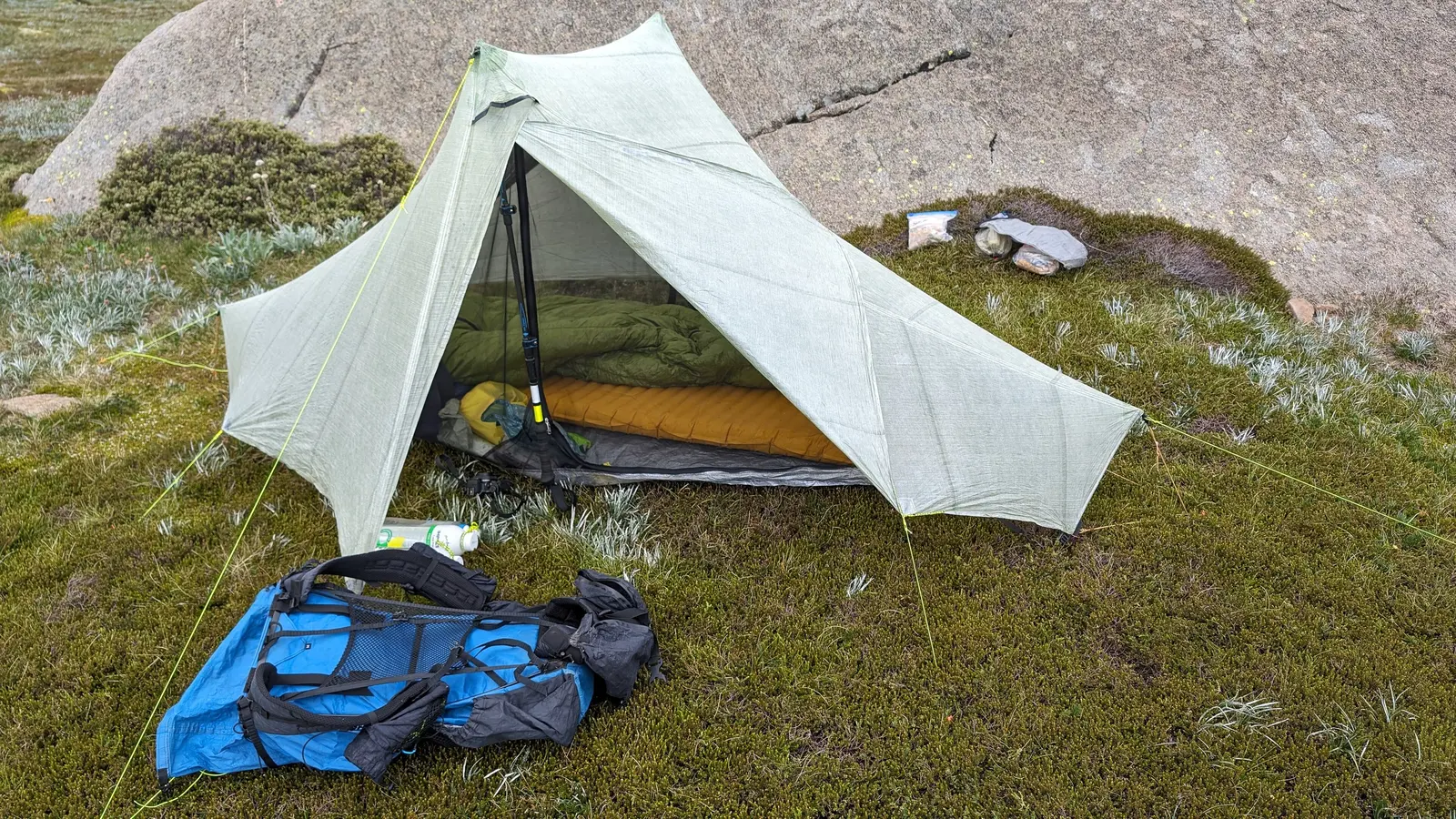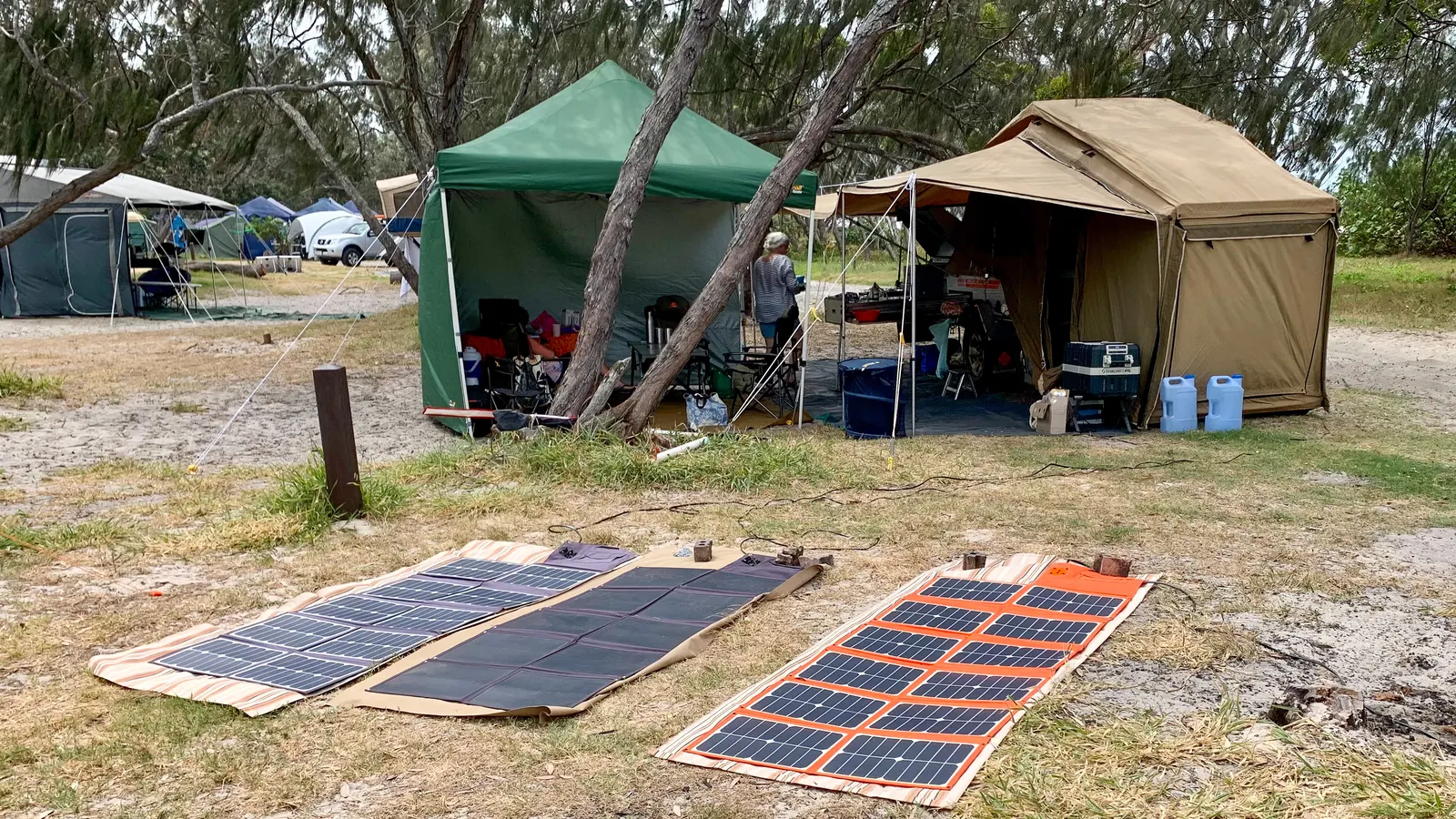
Yes, but only where the land manager allows it: there is no national right to camp wherever a vehicle can park. Free camping is legal in most state forests in New South Wales and Victoria, on South Australian Crown land for up to 21 days, at council sites that say so and at rest areas whose rules allow an overnight stop. Most national park campgrounds charge a fee or need a booking, and some coastal councils, such as Surf Coast Shire in Victoria, fine people for sleeping in a vehicle.
Where free camping is legal: the eastern states
In New South Wales every state forest except Cumberland and Strickland allows free, first-come camping for up to four weeks. Some national park campgrounds charge no camping fee but still need a booking, which costs $6.
Victoria lets you camp almost anywhere in a state forest for up to 28 consecutive nights, at least 20 metres from waterways, and a few Parks Victoria campgrounds such as King Hut are free with no booking.
Queensland has no free camping in its parks or state forests, where every campsite needs a paid permit. The free options there are council campgrounds that allow it. Roadside rest areas let you stop for up to 20 hours unless a sign says otherwise, but the state says they are not camping sites.
Tasmania offers free council camps with their own permits and stay limits, free park campgrounds in Southwest National Park (a parks pass is still needed to enter), and camping on most Sustainable Timber Tasmania land unless a sign prohibits it.
| State | Free options | Main limit | Who sets the rules |
|---|---|---|---|
| New South Wales | State forests; some no-fee park campgrounds | Four weeks in a forest; no-fee park campgrounds usually charge a $6 booking fee | Forestry Corporation, NPWS, councils |
| Victoria | State forests; some free park campgrounds | 28 nights, 20 m from waterways | DEECA, Parks Victoria, councils |
| Queensland | Council sites that allow it | Rest areas: 20-hour stop unless signed, not camping | Councils, Transport and Main Roads |
| South Australia | Crown land; some council sites | 21 days on Crown land | Department for Environment and Water, councils |
| Western Australia | Signed overnight rest stops | 24 consecutive hours; elsewhere needs approval | Main Roads WA, local governments |
| Tasmania | Council camps; free park camps; forestry land | Council limits vary, often self-contained vehicles only | Councils, Parks and Wildlife Service, Sustainable Timber Tasmania |
| Northern Territory | Rest stops listed for overnight camping | 24 hours at listed stops; a few charge a fee | NT Government, councils |
| ACT | None | Vehicle camping only at booked campgrounds | ACT Parks and Conservation Service |
Where free camping is legal: the south, west and centre
South Australia allows camping on Crown land without approval for up to 21 days, with vehicles kept to established tracks and no firewood collection. National park campsites there must be booked and paid for in advance, except in the Munga-Thirri Simpson Desert parks, which need a Desert Parks Pass instead.
Western Australia requires approval for camping anywhere other than a licensed camping ground, so the free option there is a rest stop signed for up to 24 consecutive hours.
The Northern Territory lists its road rest stops individually, and only those marked for 24-hour overnight camping allow it. Park campgrounds are booked online, and visitors also need a parks pass.
The ACT has no free camping at all: vehicle camping is allowed only at established campgrounds, each booked in advance, and camping elsewhere on public land without a permit can bring a penalty of up to 20 penalty units.
Parking is not permission to camp
A legal parking space can still ban sleeping, setting up camp or staying overnight. Look for explicit overnight permission, time limits and vehicle restrictions, not just the absence of a no-camping sign.
Some councils ban sleeping in a parked vehicle outright. Surf Coast Shire on the Victorian coast fines people $300 on the spot for sleeping in a vehicle anywhere in the shire.
- Look for explicit permission
- Sleeping in a van can be banned
- Confirm the land manager
Can you camp on the side of the road?
Usually not, unless the spot is a rest area that allows it. Queensland bans camping on a state-controlled road unless you are managing fatigue between 4pm and 8am, outside a built-up area, at least 200 metres from any kerb and 9 metres from the traffic lane, where no sign prohibits it and not on a motorway or toll road, with no fire or generator.
Western Australia's Main Roads allows no overnight stop at a rest area without a sign permitting it, and Service NSW says rest areas are not for camping, although a July 2026 planning note says camping in one may be allowed unless a sign says otherwise.
Where an overnight stop is allowed, keep it to the vehicle, leave the truck bays free for heavy vehicles and move on in the morning.
- Rest areas, not road verges
- Leave truck bays free
- Move on in the morning
Fines and how they are set
Penalties are set by whoever owns the land, so they vary widely. Camping outside a camping area in a NSW national park carries a maximum of 30 penalty units, the ACT sets a maximum of 20 penalty units ($3,200 for an individual) for using public land, including camping on it, without a permit, and misuse of South Australian Crown land can bring a $315 expiation.
Council fines are set locally, so the amount differs from one council to the next. Check the council's website or the sign at the site.
- Landowner sets the penalty
- Council fines are local
- Photograph the sign on arrival
Self-contained vehicles
Some councils allow free camping only for self-contained vehicles with an onboard toilet and waste tanks. Each council defines what counts, so check its conditions before relying on a portable toilet.
Self-containment can open up more sites, but it does not lift the stay limit. The stay limit on the sign still applies, and waste still goes only into a dump point.
- Self-contained rules vary by council
- Stay limits still apply
- Empty tanks only at dump points
Behaviour keeps free sites open
Free sites can close or start charging because of rubbish, waste, noise and overcrowding.
Arrive late, leave early, keep the footprint small, take every bag of rubbish with you and use toilets where they are provided. If a site is full, do not invent a new bay on vegetation or a nearby street.
- Small footprint, early start
- Take all rubbish out
- Full means full
Check before you stop
The sign at the site and the land manager's website are the authorities. Camping apps and community listings are good for finding candidates, but they are not a defence if a site turns out to be closed or banned.
Where a listing and a sign disagree, follow the sign. When in real doubt, a low-cost council campground or showground is often within reach and removes the question for a small fee.
Photograph the sign when you arrive. It costs nothing and is the best evidence you have if a notice is later disputed.
- Signs beat listings
- A cheap campground ends the doubt
- Photograph the sign
Places along the way
Check before you go
Rules and conditions change. Recheck the official source and the page for your exact park or campground before departure.
- Forestry Corporation of NSW camping
- NSW National Parks campgrounds
- Camping in Victorian state forests
- Queensland Parks camping bookings
- Queensland rest areas
- Transport Infrastructure (State-controlled Roads) Regulation 2017
- Accessing Crown land in South Australia
- Camping outside caravan parks in WA
- Main Roads WA long-distance driving
- NT road rest stops
- Sustainable Timber Tasmania: visiting the land we manage
- ACT Parks where to stay
- Service NSW: find rest areas
- Surf Coast Shire parking
- Main Roads WA rest area policy
- NSW National Parks and Wildlife Regulation 2019
- NSW caravan parks and camping grounds practice note, July 2026
- ACT Public Unleased Land Act 2013
- Parks Victoria: dispersed camping in Alpine National Park
- Southwest National Park camping
- Northern Midlands Council RV friendly towns
- Central Coast Council camping sites
- NT Parks camping
- Queensland Parks camping FAQ
- National Parks SA booking FAQ
Common questions
Is free camping legal in Australia?+
Yes, but only where the land manager allows it, through signs or a standing rule: there is no national right to camp wherever a vehicle can park. Most state forests in New South Wales and Victoria, South Australian Crown land for up to 21 days, council sites that say so and rest areas whose rules allow an overnight stop are the main legal options; most national park campgrounds charge a fee or need a booking.
Can you camp on the side of the road in Australia?+
Usually not. Roadside stops are limited to rest areas whose rules or signs allow an overnight stop, such as Western Australia's signed 24-hour stops. Queensland lets you stop at a rest area for up to 20 hours unless a sign says otherwise, but says rest areas are not camping sites, and it bans camping on state roads outside a narrow 4pm to 8am fatigue exception.
Take it on the road
Save the stops. Plan the whole trip.
Build an ordered route from saved places, calculate the distance and keep dates, notes and to-dos attached.