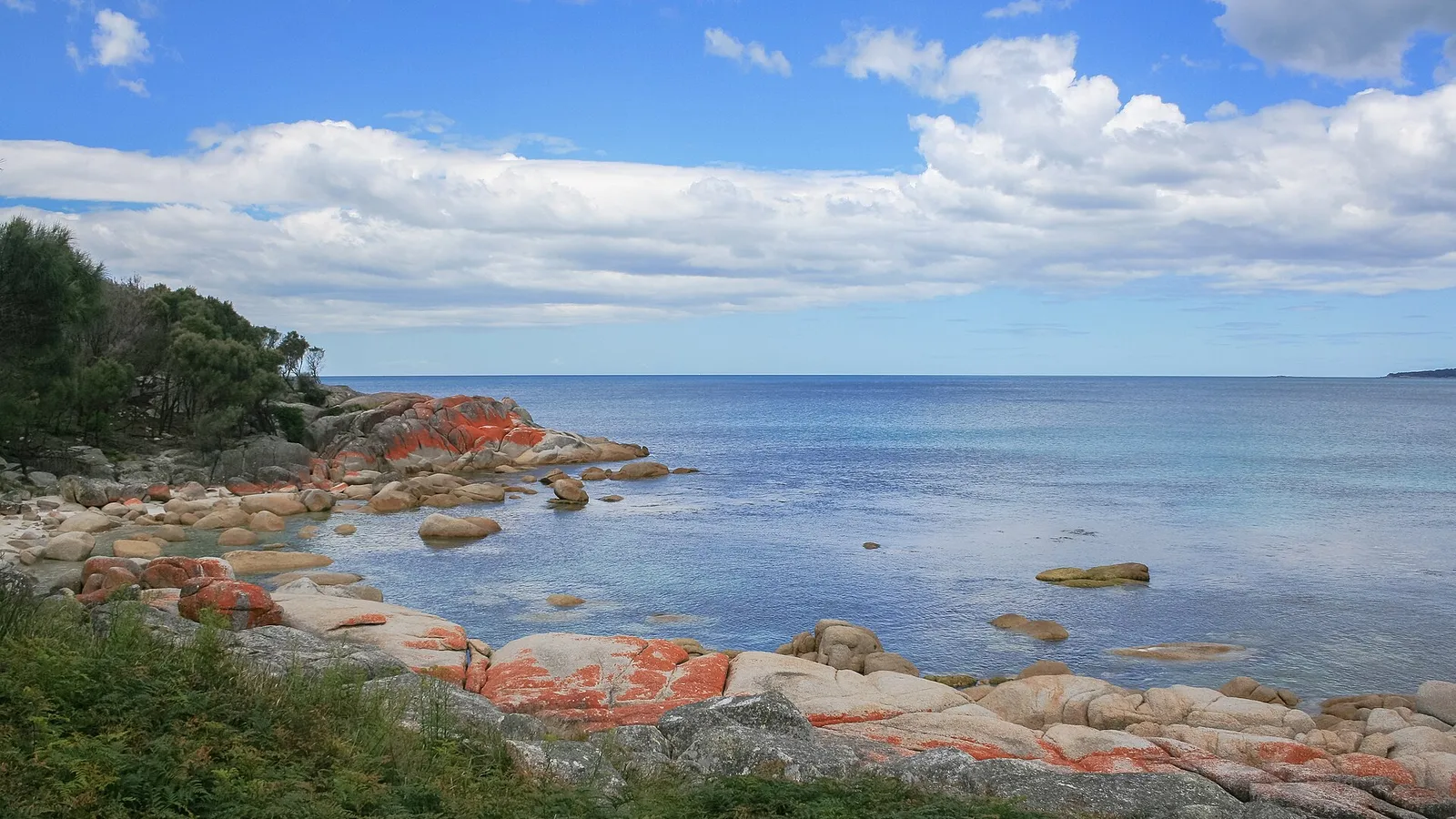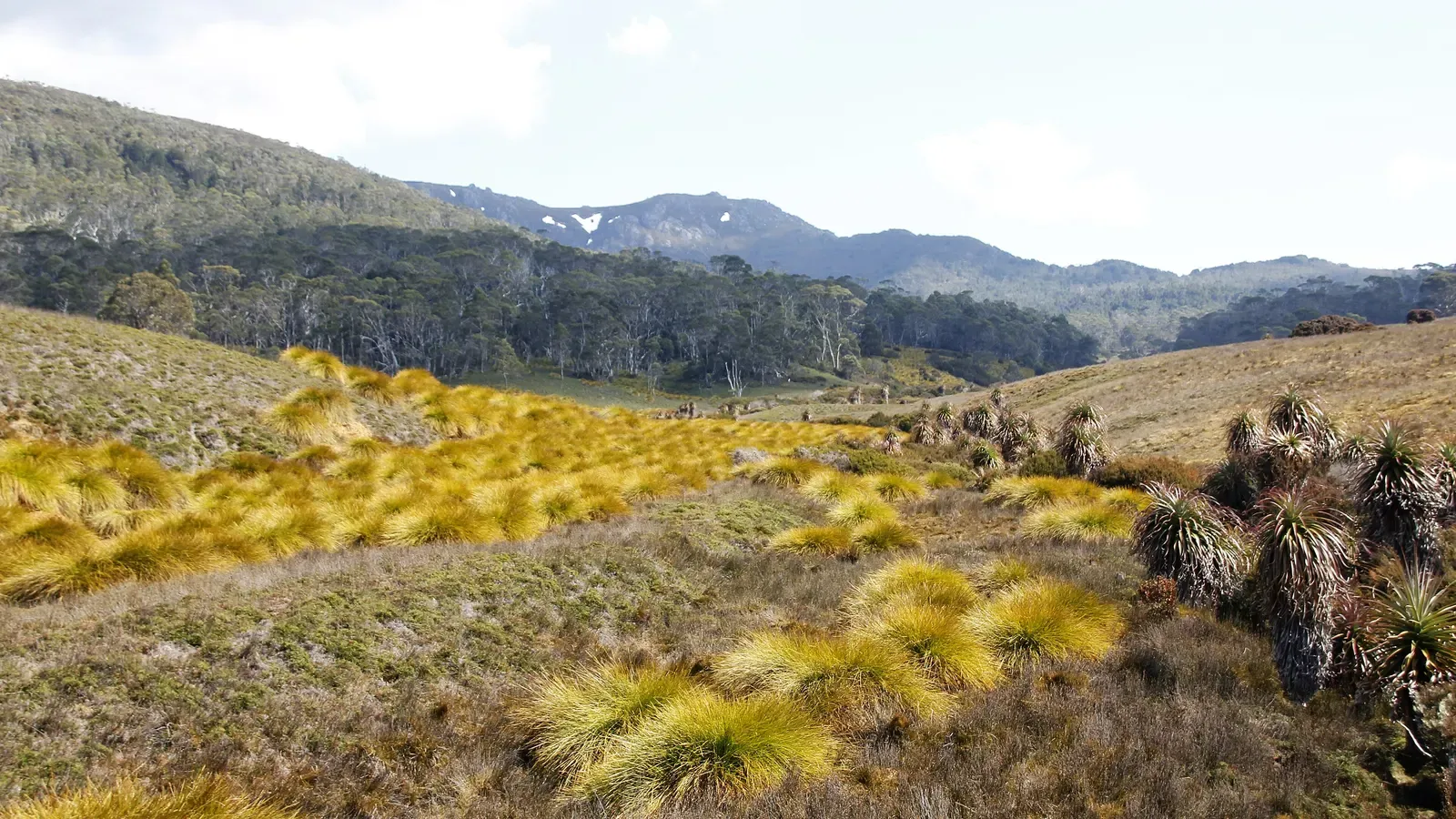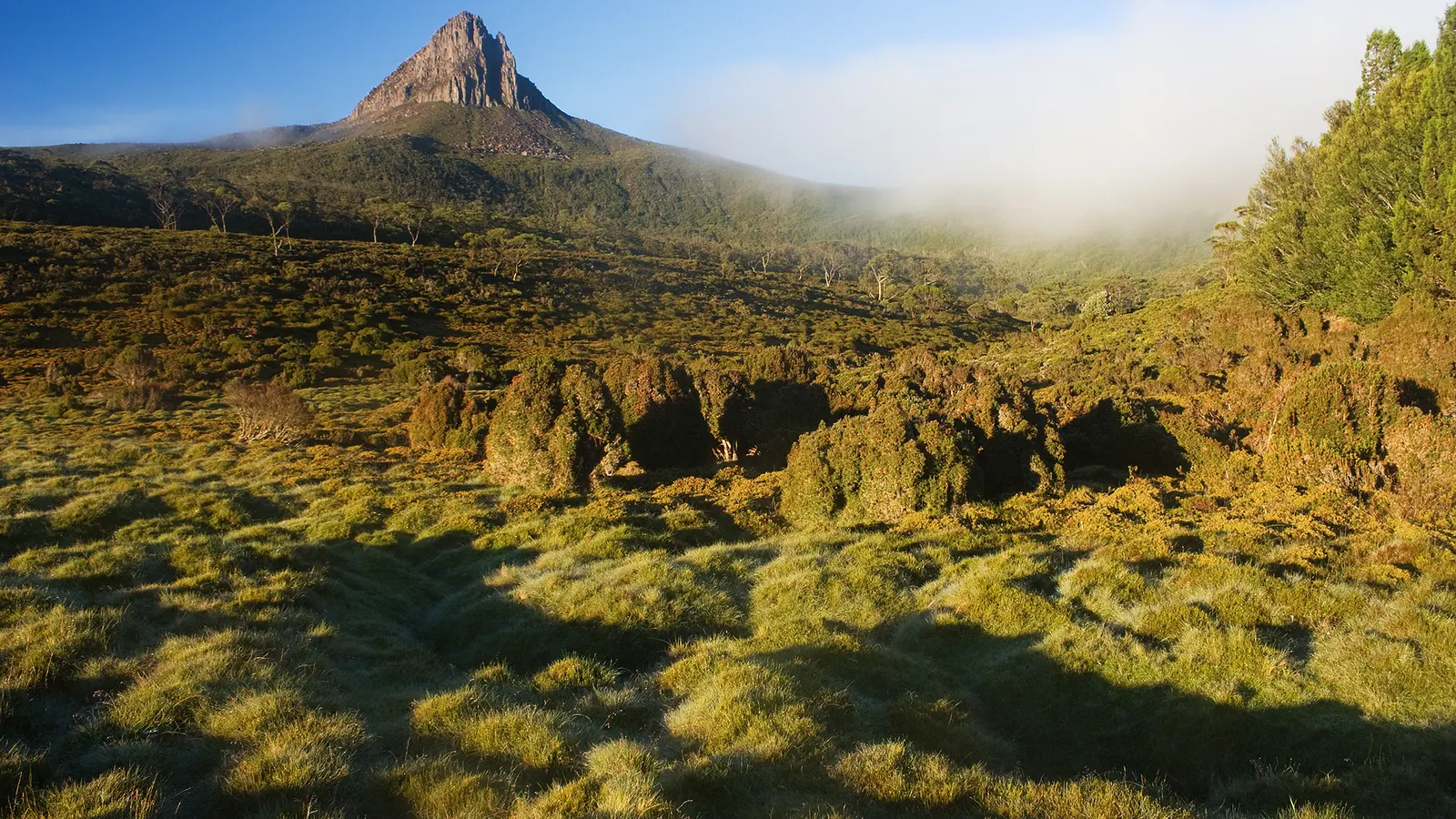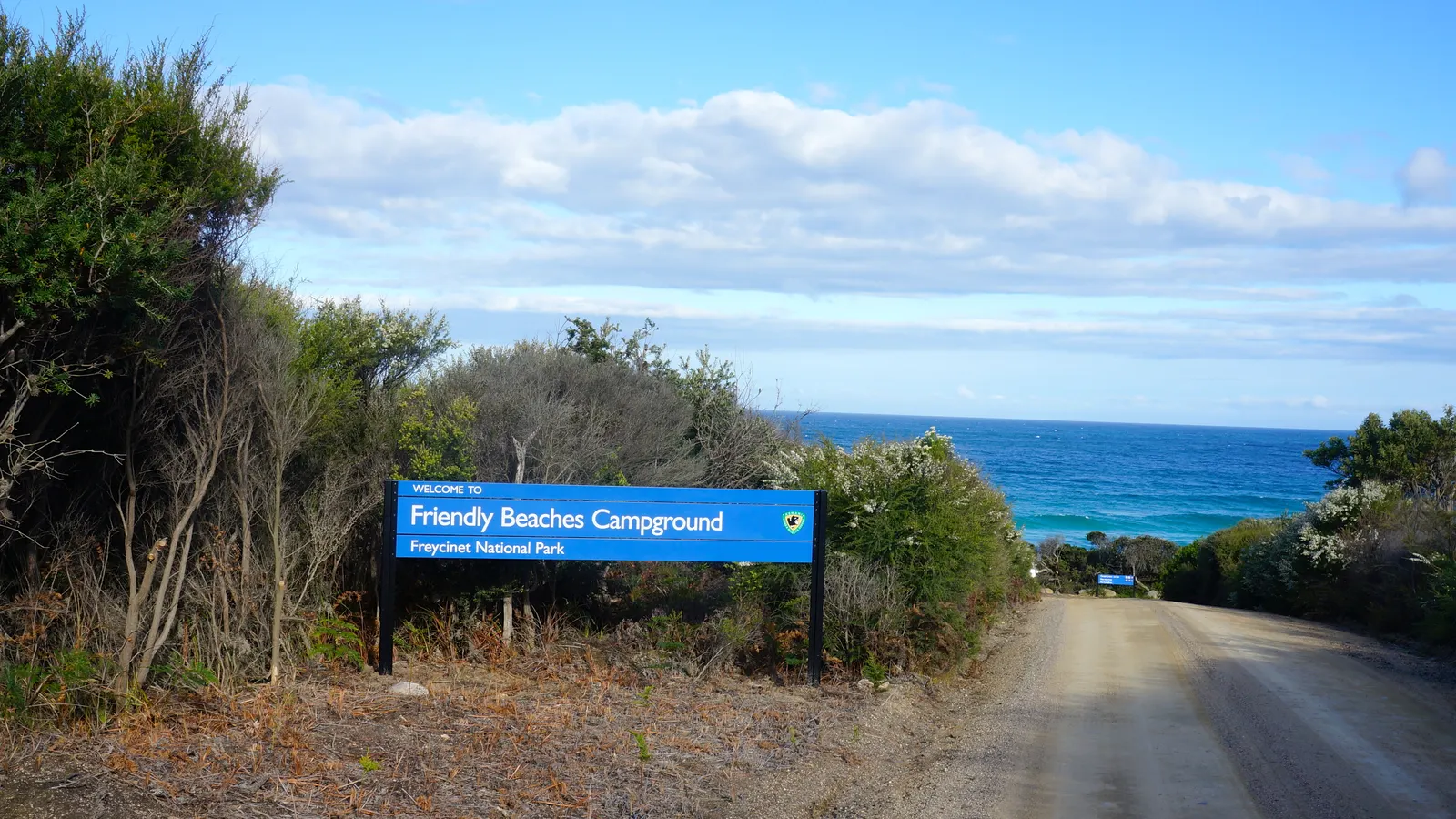
Yes, you can free camp in Tasmania: at council sites that allow it, at free Parks and Wildlife Service campgrounds such as Huon and Teds Beach in Southwest National Park, and on most Sustainable Timber Tasmania land unless a sign prohibits it. Inside national parks you need a Parks Pass, campground fees come on top, and both bookings and fees change on 3 November 2026. AussieCamps maps 27 Tasmanian park campgrounds and 80 public dump points. In the AussieCamps app each of those places opens with its fees, conditions and current alerts, and filters narrow the map to free camping areas.
Parks passes and bookings
A valid parks pass is required to enter any Tasmanian national park, whether you arrive by car, on foot, by bus or by bike, and campground fees are paid on top. Free campsites inside a park, such as the Freycinet walker camps, still need the pass.
Parks and Wildlife Service moves to a new Parks Online Booking System on 3 November 2026 and has paused new bookings for stays from that date at campgrounds including Fortescue Bay and Richardsons Beach at Freycinet. Check when bookings reopen before fixing ferry dates around one site. Booking windows for the holidays are compared in our guide to camping over Christmas and summer 2026-27.
Free camps and local rules
Council camping sites set their own conditions. Northern Midlands Council issues a free permit for self-contained vehicles to stay up to 48 hours. Central Coast Council allows up to three nights for self-contained vehicles, but it is moving its sites to a paid permit of $15 a night, so check the signs at each site rather than an old review.
On reserved land you must not camp in a designated camping-prohibited area or within 500 metres of a road outside a designated camping area, with a fine of up to 20 penalty units. Sustainable Timber Tasmania welcomes camping on the land it manages except where signs prohibit it.
- Council limits vary: check each sign
- Reserved land: 500 m from roads
- Forestry land unless signed
Weather and biosecurity
Tasmanian weather turns fast, and severe cold, wet and windy conditions can arrive at any time of year, even in summer. Pack for cold rain in January and move off exposed camps when the Bureau of Meteorology issues a severe weather warning for damaging winds.
Clean boots, bikes and camping gear before moving between walks and waterways, so soil, seeds and water pests do not travel with you into the wilderness.
Parks passes are compulsory
Prices from 1 July 2026: a daily pass costs $49.15 per vehicle carrying up to eight people, or $24.55 per person on foot, bus or bike, and it does not cover Cradle Mountain. The holiday pass covers every national park for up to two months for $98.35 per vehicle, and the annual pass costs $104.75.
Two daily passes cost about the same as one holiday pass, so it pays from the third day of park visits. Buy it online at passes.parks.tas.gov.au before you travel.
Cradle Mountain runs a shuttle from the visitor centre, and private vehicles cannot drive into the park while it operates. The Cradle Mountain daily pass costs $30.70 per adult and includes the shuttle; holiday pass holders buy a shuttle ticket separately.
- Holiday pass: $98.35 for two months
- Daily pass excludes Cradle Mountain
- Private cars wait for the shuttle
Quarantine at the border
Tasmania has strict biosecurity rules, and fresh fruit and vegetables are among the items you cannot bring in. X-ray machines and detector dogs screen arrivals at Hobart and Launceston airports.
On the Spirit of Tasmania you can eat your own food on board, but leftovers go in the bins on board or at the biosecurity inspection point as you leave the terminal. Staff at Geelong ask biosecurity questions before boarding, and Biosecurity Tasmania runs random vehicle checks at Devonport.
Penalties apply to restricted items that are not declared, and the rules protect an island that is free of several pests found on the mainland. Eat or bin fresh food before you sail and restock in Devonport.
- No fresh fruit or vegetables
- Bin food before leaving the terminal
- Random vehicle checks at Devonport
Alpine weather in any season
Walks above the treeline are alpine outings whatever the forecast at the car park says. Cold, wet and windy weather can arrive in any month on the high plateaus, including in the middle of summer.
Carry warm and waterproof layers on every walk, including in January. Hypothermia develops quickly in wind and rain, even on a short walk from the car.
Sign the logbook at the track head and leave your plan with someone at home, because both are what searchers check first when a walker is overdue.
- Summer can still mean sleet
- Waterproofs even in January
- Sign the track head logbook
Free camping and the west
Huon and Teds Beach in Southwest National Park take no bookings and charge no camping fee, and Freycinet's Wineglass Bay, Hazards and Cooks Beach walker camps and Encampment Cove on Maria Island are also free to camp. The parks pass still applies inside each park.
Other park campgrounds are booked or first come depending on the season. Fortescue Bay takes bookings from 1 October to 30 April and is first in, first served from May to September, and from 3 November 2026 it charges $24 a site for up to six people.
The west coast is wet, remote and thinly serviced. Fill up and shop in Queenstown or Strahan, because the gaps between towns on that side of the island are long.
- Southwest park camps are free
- Fortescue Bay: $24 a site from 3 Nov
- Fuel up before the west coast
Walking track regulations
The Overland Track needs a booking and a fee from 1 October to 31 May: $312 per adult, with lower fees for children and concession holders, walking north to south only. Bookings open on the first Tuesday in July, and the fee includes park entry for the walk and the shuttle.
Outside the booking season, from June to September, there is no Overland Track fee, but you still need a parks pass, must register your walk online with PWS and need full winter gear.
Fuel Stove Only Areas ban campfires all year across much of the wilderness, including Cradle Mountain-Lake St Clair, Freycinet, Mount Field, Southwest and the Walls of Jerusalem, whatever the fire danger rating. A few marked sites in the World Heritage Area and Tasman National Park allow fires in existing fireplaces.
On a Total Fire Ban day all outdoor fires are banned in parks. LPG and electric stoves are the only exceptions, methylated spirits and shellite stoves are not allowed, and Freycinet bans every naked flame in the open, gas included.
- Overland: $312 per adult
- Fuel Stove Only Areas ban fires
- No liquid-fuel stoves on ban days
Places along the way
Check before you go
Rules and conditions change. Recheck the official source and the page for your exact park or campground before departure.
- Parks and Wildlife Service Tasmania
- Tasmania park passes and entry fees
- Fortescue Bay camping
- Southwest National Park camping
- Freycinet overnight walker camping
- Tasmania campfires and fire bans
- Fuel Stove Only Areas
- Overland Track
- Cradle Mountain shuttle bus
- National Parks and Reserves Management Regulations 2019
- Sustainable Timber Tasmania: visiting the land we manage
- Northern Midlands RV friendly towns
- Biosecurity Tasmania: Spirit of Tasmania travellers
- Maria Island camping at Encampment Cove
- Overland Track frequently asked questions
- PWS safety in parks
- Central Coast Council camping sites
- Bureau of Meteorology Tasmania warnings
- Biosecurity Tasmania: bringing food into Tasmania
Common questions
Do you need a parks pass to camp in Tasmania?+
Yes, inside a national park. The pass covers entry and most park campgrounds charge a fee on top. The holiday pass, $98.35 per vehicle for up to two months, beats daily passes from the third day, and council campgrounds outside parks need no pass.
Can you free camp in Tasmania?+
Yes, at council sites that allow it, at free park campgrounds such as Huon and Teds Beach in Southwest National Park, and on most Sustainable Timber Tasmania land unless signs say otherwise. On reserved land you cannot camp within 500 metres of a road outside a designated camping area.
Places to camp in Tasmania


Take it on the road
Save the stops. Plan the whole trip.
Build an ordered route from saved places, calculate the distance and keep dates, notes and to-dos attached.