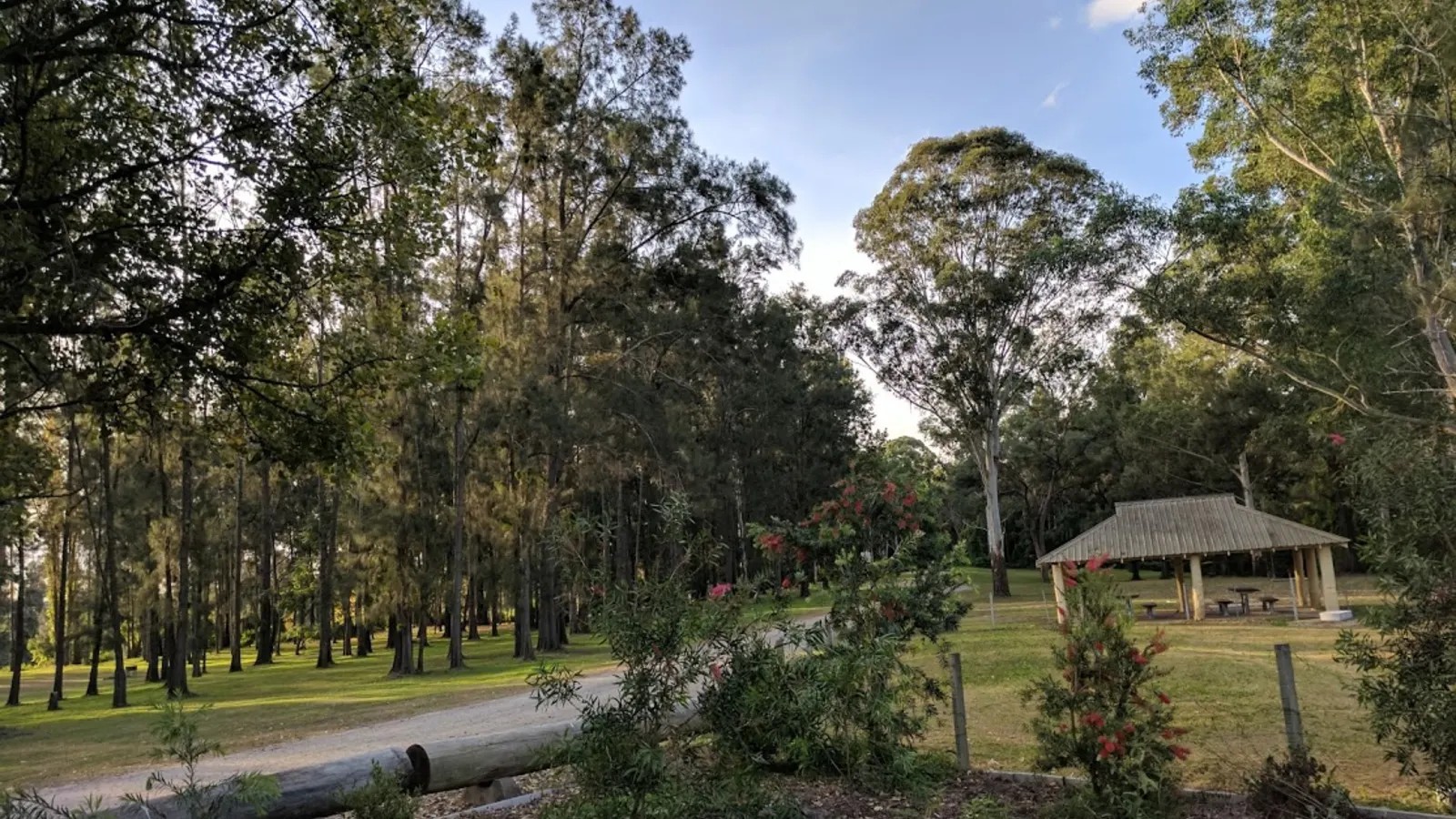
Yes, you can free camp in New South Wales: every state forest except Cumberland and Strickland allows free, first-come camping for up to four weeks, and some national park campgrounds charge no camping fee, although most of those still take a $6 booking fee. AussieCamps maps 372 NSW national park campgrounds, 869 roadside rest areas and 347 public dump points.
National park campgrounds
NSW national parks have more than 365 campgrounds, and most of those listed on the NSW National Parks website need a booking even when camping is free; those free sites charge a $6 booking fee. A few basic listed sites, such as Tuross River campground in Wadbilliga National Park, need no booking, and remote camping at unlisted sites needs none either, though NPWS recommends a trip intention form.
Camping fees and park entry are separate. Vehicle entry fees apply at 45 of the more than 890 parks and reserves, such as $8 a day at Myall Lakes and Murramarang, and a booking covers only the number of people specified and paid for: NPWS can charge for, or turn away, extra occupants. Before a Christmas trip to the coast, read our guide to camping over Christmas and summer 2026-27, which compares booking windows across the states.
Free and roadside camping
Official advice on rest areas is mixed. Service NSW says rest areas are not for camping, while the July 2026 planning practice note says camping in one may be permitted unless a council or Transport for NSW has put up a no camping or no overnight stays sign.
Camping outside a caravan park or camping ground usually needs council approval unless an exemption in the Local Government Regulation applies, and councils can ban camping on their land with signs. The fine for ignoring a council sign is set by state law at $110 on the spot, and Crown reserves follow the rules of their Crown land manager.
- Read the rest area sign
- Use car bays, not truck bays
- Off-site camping needs council approval
Fire and park alerts
Check the NSW RFS fire danger rating, NPWS park alerts and any park fire ban before you light anything. NPWS can declare a park fire ban or close a park when the fire risk is high, separate from a Total Fire Ban.
In national parks, light fires only in designated fireplaces, never break branches or collect fallen timber, and never run a generator during a fire ban. Not every park allows campfires, so check before you go.
Who manages the land you are on
NSW camping rules depend on who manages the land. National Parks and Wildlife Service runs the parks, Forestry Corporation of NSW runs the state forests, councils manage their own land, and Crown land managers look after Crown reserves.
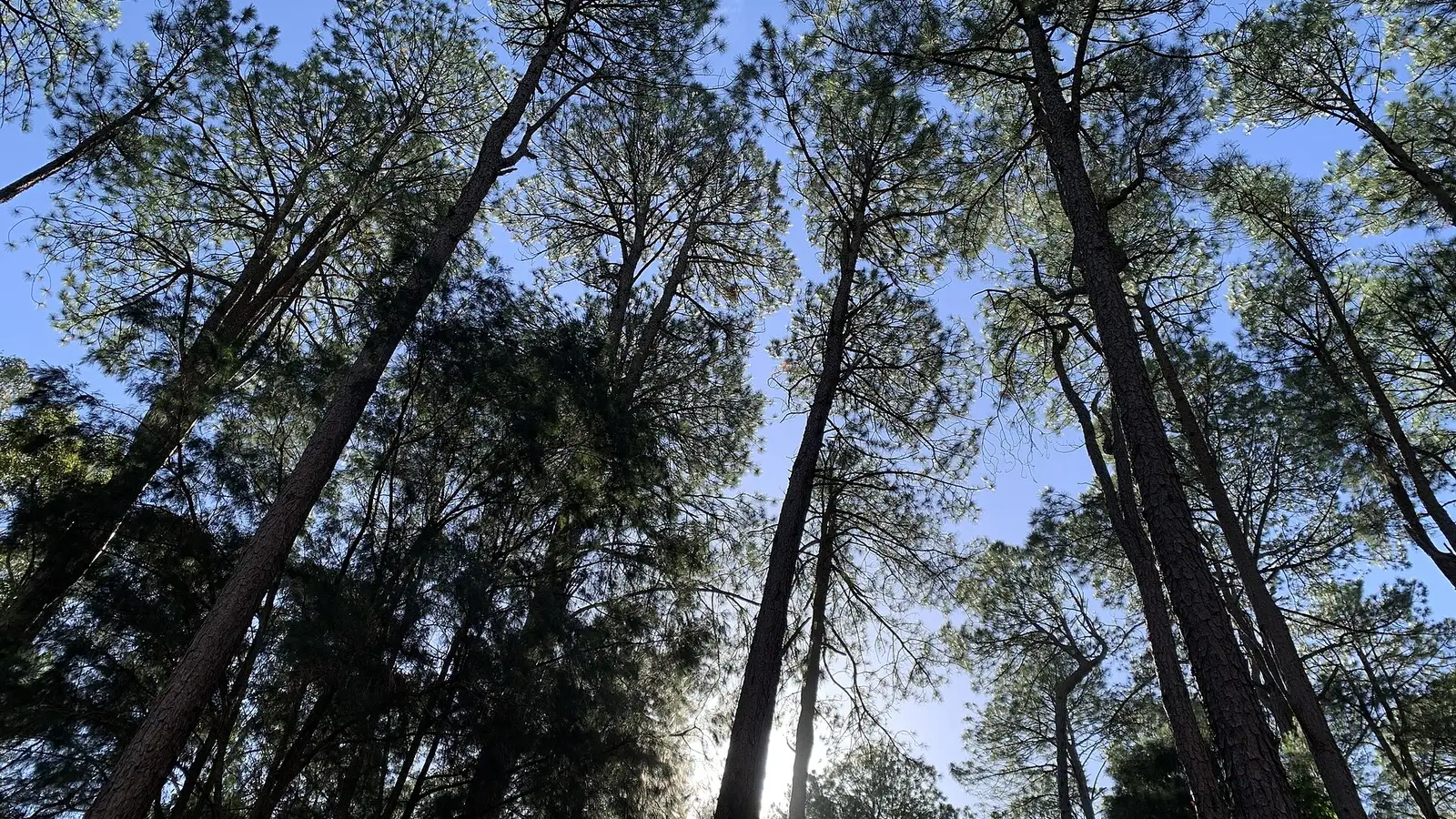
In a state forest you can pitch a tent almost anywhere except on roads, in picnic or permit areas, in pine plantations or in closed forest. Sites cannot be booked, the maximum stay is four weeks unless a sign says less, and many forests have no bins, so take rubbish home.
In a national park you must camp in an area set aside for camping, unless the park allows remote camping, and for no more than 21 days in a row unless a park sign or the plan of management sets a different limit. Camping anywhere else in a park carries a maximum penalty of 30 penalty units.
- Forests: free, four weeks at most
- Parks: 21 days unless signs say otherwise
- Councils decide where camping is banned
Booking NPWS campgrounds
Popular coastal campgrounds can book out over summer and school holidays, so book as soon as your dates are fixed. The camping fee is charged in full at the time of booking, plus a non-refundable booking fee.
Cancelling 31 days or more before arrival refunds 75% of the fee, and cancelling later refunds 50%. Neither refund includes the booking fee.
The All Parks Pass costs $190 a year and covers vehicle entry at all 45 fee-collecting parks, including Kosciuszko, with restrictions at Chowder Bay and the Cape Byron lighthouse precinct, but no annual pass covers camping. Kosciuszko entry is $29 per 24 hours from the June long weekend to the October long weekend and $17 for the rest of the year.
- Book popular summer sites early
- All Parks Pass: $190 a year
- Passes never cover camping
Fires and total fire bans
The statutory Bush Fire Danger Period runs from 1 October to 31 March, although local conditions can change it. During it, the RFS decides each afternoon whether to declare a Total Fire Ban for the next day, and a ban can also be declared on the day itself.
On a Total Fire Ban day you cannot light a fire in the open or use a solid-fuel barbecue, and lighting a fire brings an on-the-spot fine of $2,200, or up to $5,500 and 12 months in jail if it goes to court. In national parks, visitor-owned gas and electric cookers are generally banned too, except inside a caravan or its three-sided annexe.
State forests also declare solid fuel fire bans, during which only gas appliances may be used, with a maximum penalty of $2,200. When forest fires are allowed, keep them under one square metre and 4.5 metres from the nearest log, stump or tree, with 2 metres of ground cleared around them.
- Danger period 1 Oct to 31 Mar
- Ban-day fire: $2,200 fine
- Visitor gas generally banned in parks on ban days
Free camping and rest areas
Free camping in NSW mostly means state forests, plus national park campgrounds with no camping fee, most of which still charge a $6 booking fee. Camping is generally not allowed in state forest picnic areas, except at rest areas where highways pass through a forest.
Dogs are welcome in all state forests but must be under your control at all times, and Forestry Corporation asks that they stay on a lead. They are not allowed in most national parks, though some regional parks, such as Murrumbidgee Valley Regional Park, accept them, and many forests border national parks.
Councils decide where camping is banned on their land, and many ban it in beachfront car parks, so check the signs and the council's rules before staying overnight.
- State forests are the free option
- No dogs in most national parks
- Check beach car park signs
Marine parks and coastal access
NSW marine parks have sanctuary zones where fishing is banned, and the zones are shown on the official zoning maps and in the FishSmart NSW app, because boundaries are not always obvious from the shore.
Beach driving is allowed only on some NSW beaches, and the rules vary: some need a council beach permit, some national park beaches need a park pass, and Worimi Conservation Lands near Port Stephens needs its own vehicle access permit, which annual park passes do not cover.
Many coastal campgrounds sit inside national parks, so the 21-day limit, the no-dogs rule and NPWS fire bans apply even where the beach feels like public land.
Check NPWS park alerts on the morning you travel, because coastal parks close roads after storms and campgrounds after fire or flood damage.
- Sanctuary zones ban fishing
- Worimi needs a vehicle permit
- Park rules apply on park beaches
Places along the way
Check before you go
Rules and conditions change. Recheck the official source and the page for your exact park or campground before departure.
- NSW National Parks camping and accommodation
- NPWS camping safety
- NPWS fee-collecting parks
- NPWS annual passes
- NPWS booking conditions
- NPWS fire bans
- Forestry Corporation camping and picnics
- Forestry Corporation solid fuel fire bans
- NSW RFS Bush Fire Danger Period
- NSW RFS total fire ban rules
- Service NSW rest areas
- NSW caravan parks and camping grounds practice note, July 2026
- National Parks and Wildlife Regulation 2019
- Pets in NSW national parks
- Tuross River campground
- Camping in NSW state forests
- Local Government Act 1993 (NSW)
Common questions
Can you free camp in New South Wales?+
Yes. Every NSW state forest except Cumberland and Strickland allows free camping for up to four weeks, first come first served. Some national park campgrounds have no camping fee but still need a booking with a $6 booking fee.
Do you need to book NSW national park campsites?+
For most listed campgrounds, yes, including free ones, which charge a $6 booking fee, and popular coastal campgrounds can book out over summer and school holidays. A few basic listed sites, such as Tuross River campground, and remote camping at unlisted sites need no booking.
Places to camp in New South Wales



Take it on the road
Save the stops. Plan the whole trip.
Build an ordered route from saved places, calculate the distance and keep dates, notes and to-dos attached.