Camping in Australia is not especially dangerous if you plan for the few risks that matter. The ones that hurt the most campers are ordinary: driving long days when tired, heat, swimming in the wrong place and fire or flood weather. The animals that worry visitors are real but predictable: crocodiles live in the tropical north, box jellyfish in northern seas in the warmer months, and snakes avoid people unless provoked. This guide sets out where each risk is and what to do about it, from official health, parks and safety pages we read on 9 November 2026.
The real risks, ranked by where they bite
Most trips go without a scare, and the order of what goes wrong surprises people. The road comes first, because Australian trips mean long distances, animals at dusk and tired drivers. Heat, the sun and water come next. Fire and flood depend on the season and the region. Wildlife comes last for most campers, and nearly all of it is avoided by reading the signs.
The table sums up where each risk applies and the one habit that deals with it. The sections below explain each in more detail.
| Risk | Where and when | What to do |
|---|---|---|
| Driving tired or at dusk | Everywhere, worst on long outback days | Short days, breaks every two hours, no driving at dawn or dusk |
| Heat | Inland and the north in summer | Plan around heatwave warnings, carry extra water, rest in the shade |
| Drowning | Surf beaches, rivers and dams | Swim between the red and yellow flags; never alone in rivers |
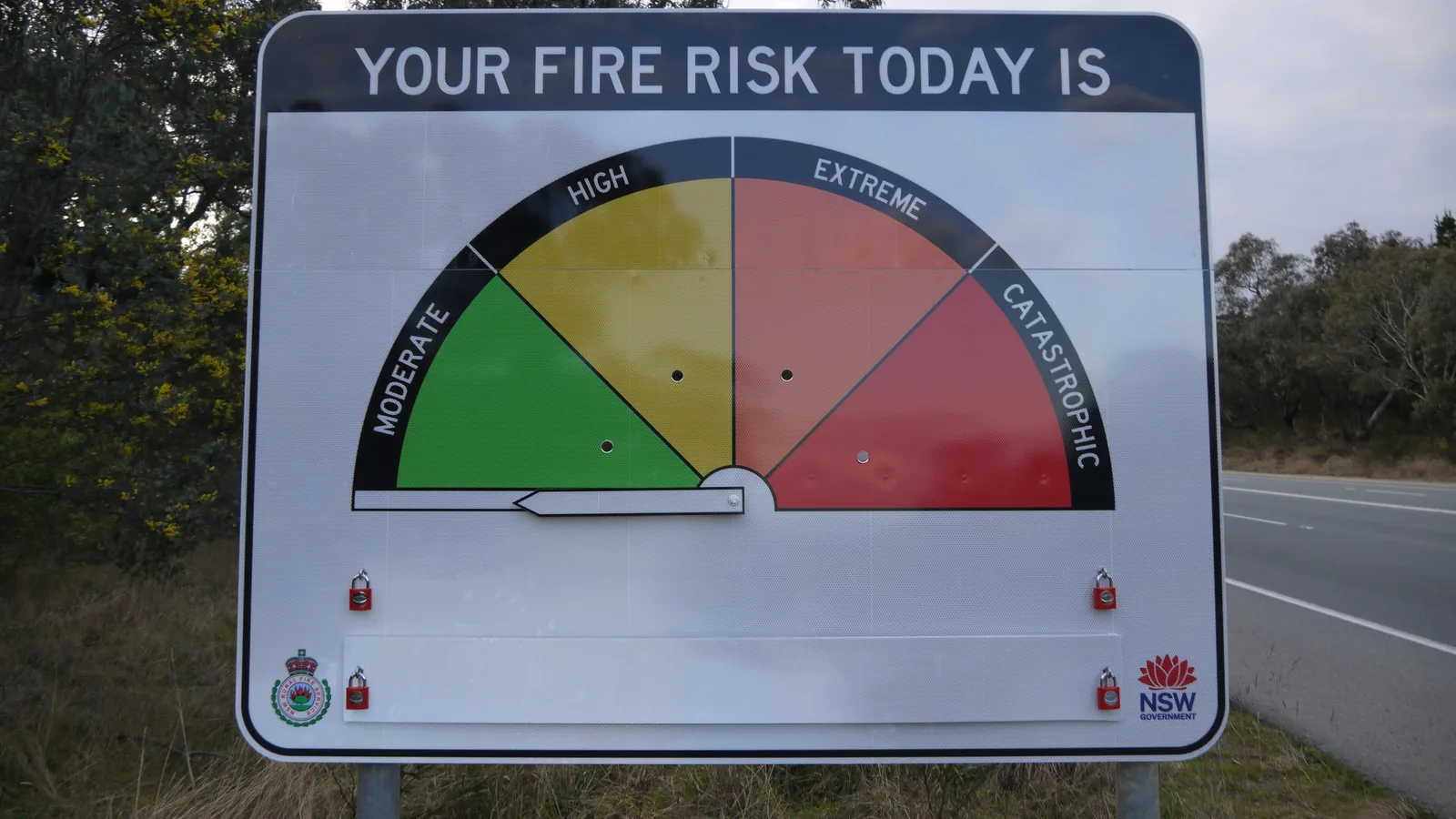
| Bushfire | Southern states in summer | Check the fire danger rating and warnings each morning |
| Floods and storms | The north in the wet season; anywhere after heavy rain | Never drive into floodwater; camp away from creek beds |
| Crocodiles | Tropical Queensland, the Top End and northern WA | Swim only where signed as safe; camp back from the water |
| Box jellyfish | Tropical seas, mostly in the warmer months | Swim in stinger nets, wear a stinger suit, carry vinegar |
| Snakes and spiders | Everywhere, more in warm weather | Leave snakes alone, wear shoes at night, know the bandage |
- The road is the biggest risk
- Heat and water come next
- Wildlife is real but avoidable
On the road: the risk that matters most
Distances between towns in Australia are long, and the hours behind the wheel catch out visitors who plan days like a European road trip. Fatigue, kangaroos and other animals on the road at dawn and dusk, and long trucks on two-lane highways are the everyday dangers. Plan driving days you can finish in daylight, stop every two hours, and pull into a rest area when you feel tired, not when you reach the next town.
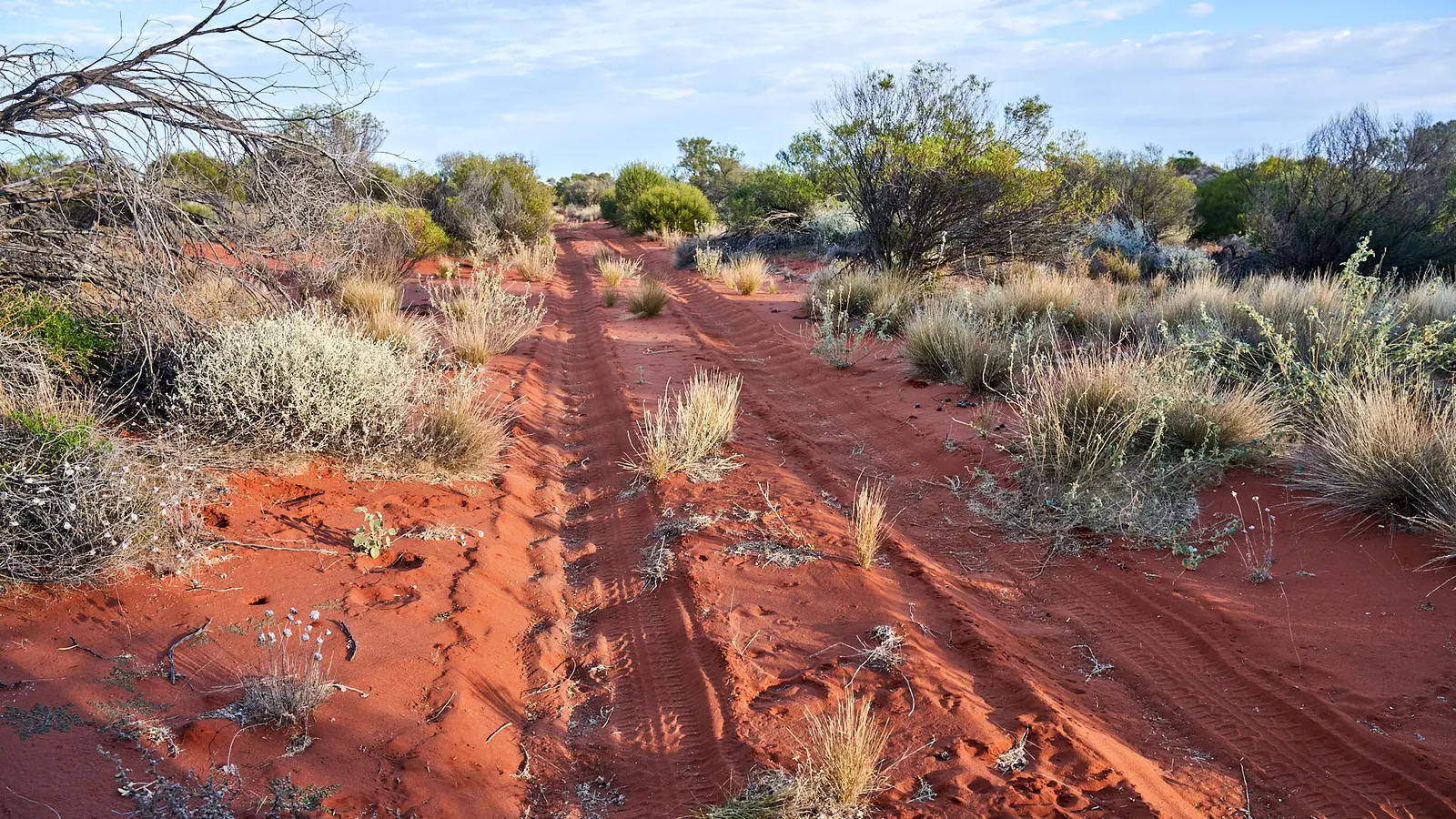
Remote roads add their own risks: unsealed surfaces, single-lane bridges, cattle on unfenced highways and long gaps between fuel. Hire companies also ban some roads. Our guides on fatigue and wildlife, road trains and fuel range cover each of these properly.
- Finish driving before dusk
- Stop every two hours
- Rest areas are there to be used
Heat, sun and drinking water
Australian summers bring heatwaves, and the Bureau of Meteorology runs a heatwave service that maps where one is coming and how severe it will be. Inland, in the north and in a tent or van without shade, a hot day becomes dangerous faster than visitors expect. Plan the hottest days around shade, a pool, a cooler coast or an air-conditioned town.
Healthdirect lists heatstroke as a medical emergency: confusion, a very high temperature, and hot, red or dry skin mean calling Triple Zero (000). Drink before you are thirsty, carry more drinking water than you think you need in the outback, and use a hat and sunscreen from mid-morning, because the UV is strong even when the air is cool.
- Check the heatwave forecast
- Carry extra water inland
- Heatstroke is an emergency
Beaches, rivers and crocodile country
On surf beaches, swim between the red and yellow flags, where lifesavers are watching, and stay out of the water where there are none. Rip currents are hard to spot from the shore, and Surf Life Saving Australia's Beachsafe app and website list which beaches are patrolled and when. Rivers, dams and waterholes have cold water, hidden snags and sudden drop-offs, so never swim alone or after drinking.
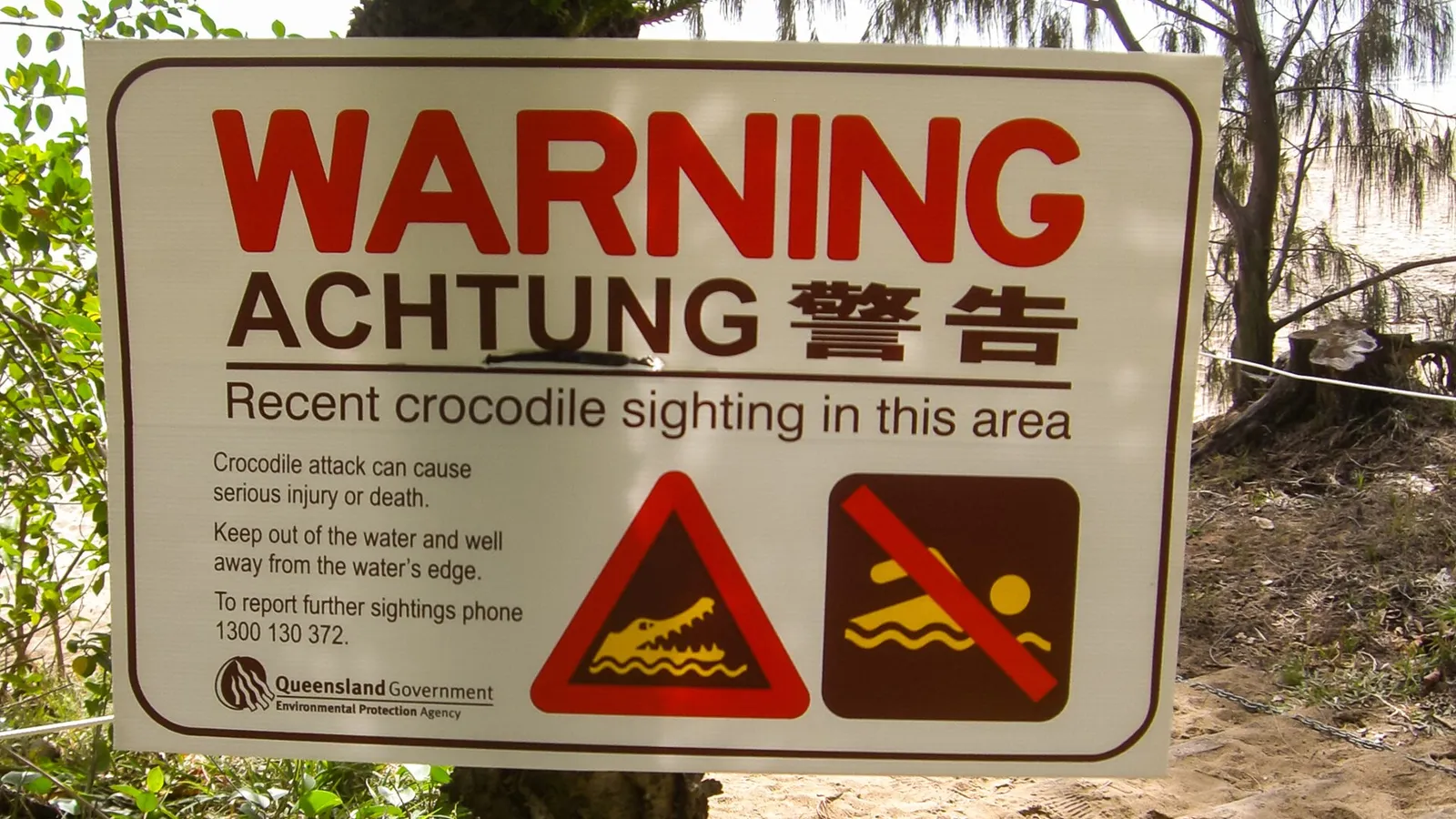
In the tropical north, crocodiles change the rules. Queensland says estuarine crocodiles live between Gladstone and Cape York Peninsula and throughout the Gulf of Carpentaria, and they are also found across the Top End of the Northern Territory and the Kimberley. Treat any river, creek, estuary, billabong or beach there as crocodile habitat unless a sign says it is a safe swimming area. Camp well back from the water, stand back from the edge when fishing, and never clean fish or leave food scraps near it.
Box jellyfish are the other northern danger. Healthdirect says the major box jellyfish lives in the far north and that its sting can kill. Swim inside stinger nets where they are provided, wear a full stinger suit, and if someone is stung in tropical waters, call 000, pour vinegar on the sting and get them to hospital.
- Swim between the flags
- Assume crocodiles in northern water
- Vinegar and 000 for a tropical sting
Snakes, spiders and other bites
Australia has some of the world's most venomous snakes, but they avoid people, and bites usually happen when someone tries to catch, kill or step over one. Leave any snake alone and walk away. Wear closed shoes and use a torch around camp at night, and keep the tent zipped. Healthdirect's first aid is to call 000, keep the person still and calm, and apply a pressure immobilisation bandage over the bite and up the whole limb. Do not wash the bite, cut it, suck it or use a tourniquet.
Most spiders are harmless. Healthdirect says a funnel-web or any big black spider bite is a medical emergency, that redback bites are very painful but not life-threatening, and that white-tails are not dangerous. Shake out boots and clothing left outside overnight.
Mosquitoes carry Ross River virus, Barmah Forest virus and, in some areas, Japanese encephalitis, so use repellent and cover up at dawn and dusk, especially near rivers and wetlands. Ticks live in coastal bush on the east coast; check yourself after walks.
- Leave snakes alone
- Know the pressure bandage
- Repellent at dawn and dusk
Fire, flood and storms
Fire and flood are seasonal and regional, and both are handled by checking the warnings each morning. In the southern summer, check the fire danger rating, any total fire ban and the warnings for your campsite, and leave bush country on a Catastrophic day. In the north, the wet season from about November to April brings cyclones, storms and roads cut by water.
Never drive into floodwater, because you cannot see the depth, the current or the road under it. Do not camp in a dry creek bed, and move to higher ground when heavy rain is forecast upstream. Our guides to bushfire safety and severe weather explain the warning levels and the apps for each state.
- Check warnings every morning
- Never drive into floodwater
- Do not camp in creek beds
Remote areas, phone signal and getting help
In an emergency, call Triple Zero (000) for police, fire or an ambulance. Healthdirect notes that if 000 does not work on a mobile, you can try 112. Mobile coverage disappears quickly outside towns and along most outback roads, so before you leave coverage, tell someone your route and when you will check in.
For remote trips, carry a personal locator beacon or a satellite messenger, plus extra water, food and fuel, and stay with your vehicle if it breaks down: it is easier to find than a person on foot. Download what you need while you still have signal.
- 000 for emergencies, 112 as backup
- Tell someone your plan
- Stay with the vehicle
Plan safer stops with AussieCamps
Most of the risks above shrink when you know where the next stop is. AussieCamps puts campgrounds, rest areas, dump points and drinking water points from park agencies and road authorities on one map, so you can plan shorter driving days with a real place to stop and see the weather forecast for each stop on your dates.
Place details are saved on the phone, so you can still read a campsite's facilities without signal; the map, directions and weather need a connection, so check them before you drive out of coverage. AussieCamps runs on iPhone.
- Plan shorter driving days
- Rest areas and water on one map
- Check forecasts before you lose coverage
Places along the way
Check before you go
Rules and conditions change. Recheck the official source and the page for your exact park or campground before departure.
- Healthdirect: snake bites
- Healthdirect: spider bites
- Healthdirect: jellyfish stings
- Healthdirect: tick bites
- Healthdirect: mosquito-borne diseases
- Healthdirect: heatstroke
- Bureau of Meteorology: heatwave service
- Queensland Government: crocodiles
- Surf Life Saving Australia: Beachsafe
- Parks Victoria: safety in nature
Common questions
Is camping in Australia dangerous?+
Not for a prepared camper. The things that hurt people most are ordinary: long drives when tired, heat, water and fire weather. Snakes, spiders and crocodiles are real, but they are predictable, and following the signs and local warnings avoids almost all of the risk.
What is the most dangerous animal for campers in Australia?+
On the road it is the kangaroo, because collisions at dawn and dusk cause far more harm than bites. Around water in the tropical north, the estuarine crocodile is the one to take seriously: do not swim where there are warning signs, and camp well back from the water.
Is it safe to camp in crocodile country?+
Yes, if you follow the Crocwise advice. Queensland says estuarine crocodiles live between Gladstone and Cape York Peninsula and throughout the Gulf of Carpentaria, and they also live across the Top End and northern Western Australia. Swim only where it is signed as safe, keep away from the water's edge and never leave fish scraps or food near it.
What should I do if a snake bites me?+
Call Triple Zero (000), keep still and stay calm, and apply a pressure immobilisation bandage over the bite and along the whole limb. Healthdirect says not to wash the bite, cut it, suck it, use a tourniquet or try to catch the snake. If 000 does not connect on a mobile, try 112.
Is it safe to free camp alone in Australia?+
Many people do. Tell someone your plan and when you will check in, choose sites where other campers stay if you are unsure, and carry a personal locator beacon or satellite messenger where there is no mobile coverage.
Take it on the road
Save the stops. Plan the whole trip.
Build an ordered route from saved places, calculate the distance and keep dates, notes and to-dos attached.