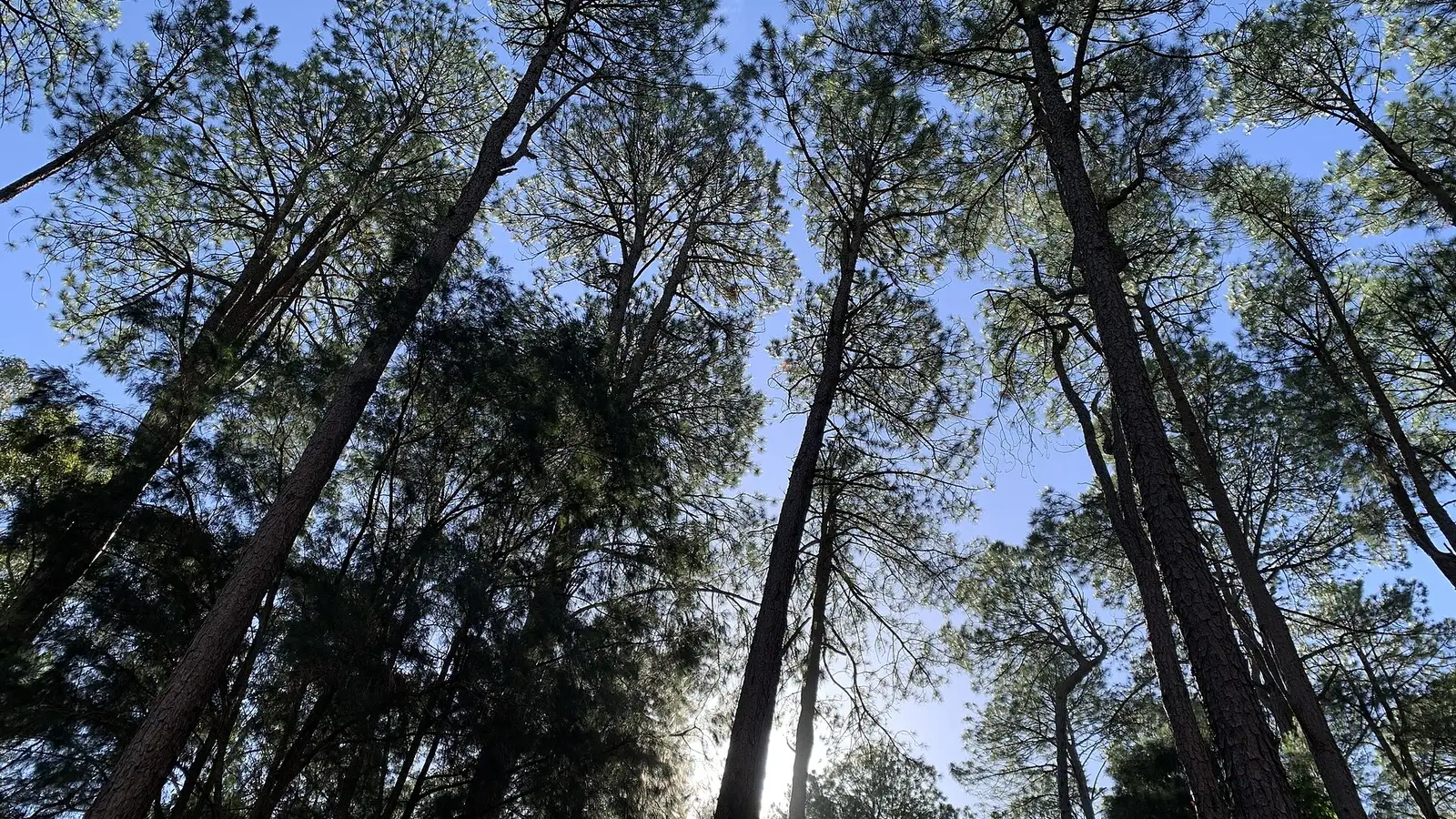
Yes, you can camp for free in New South Wales, and state forests are the easiest place to do it: every state forest except Cumberland and Strickland allows free camping with no booking for up to four weeks. Some national park campgrounds charge no camping fee but still take a $6 booking, a few remote park sites need no booking at all, and many country towns run free or cheap camps to bring travellers in. Rest areas are for a break from driving, and councils can fine you for camping where a sign says no.
State forests: the main free option
Forestry Corporation of NSW manages the state forests, and camping in them costs nothing. Sites are first come, first served, you can stay up to four weeks, and nothing can be booked, so on long weekends and in the school holidays the well-known forest camps can fill early. Keep a second forest or a cheap town camp in mind.
Facilities range from a toilet, tables and fire rings to a flat clearing with nothing at all, and many forests have no bins. Bring your own water and a shovel or portable toilet, and carry every bag of rubbish out. Dogs are welcome in state forests if kept under control, which is why forests are the usual choice for anyone travelling with one.
| Where | Cost | Booking | Main limit |
|---|---|---|---|
| State forests | Free | None, first come | Four weeks; none in Cumberland or Strickland |
| National park sites with no camping fee | $6 booking fee | Most must be booked | Vehicle entry fee in some parks; no dogs |
| Remote park camping away from listed sites | Free | None; trip intention form advised | No facilities |
| Council free camps and reserves | Free or a small fee | Usually none | The stay limit on the sign |
| Rest areas | Free | None | A break or one night in the vehicle, unless a sign says no |
- Free, no booking, up to four weeks
- Not Cumberland or Strickland
- Bring water, take rubbish out
Where the forest camps are
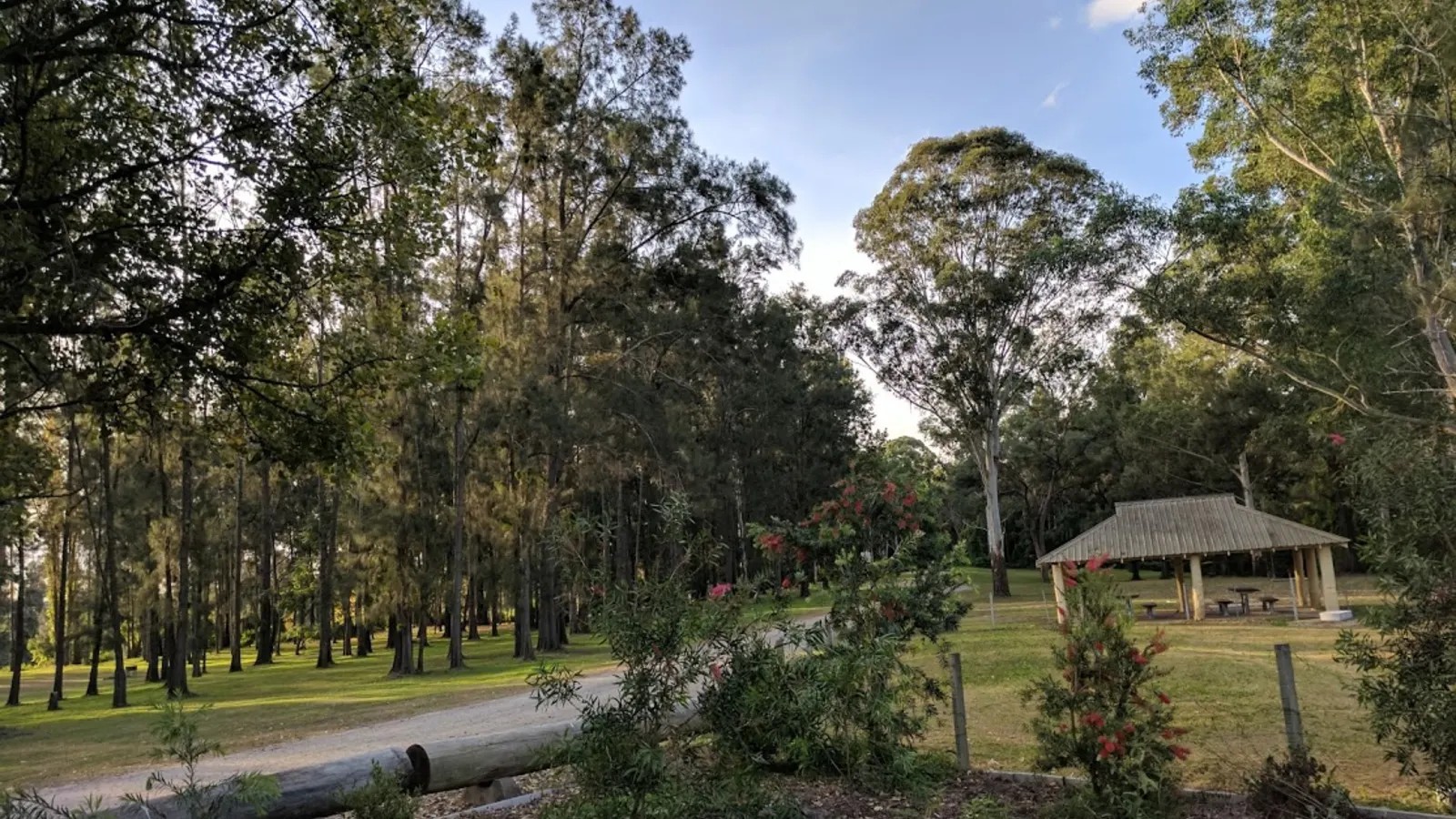
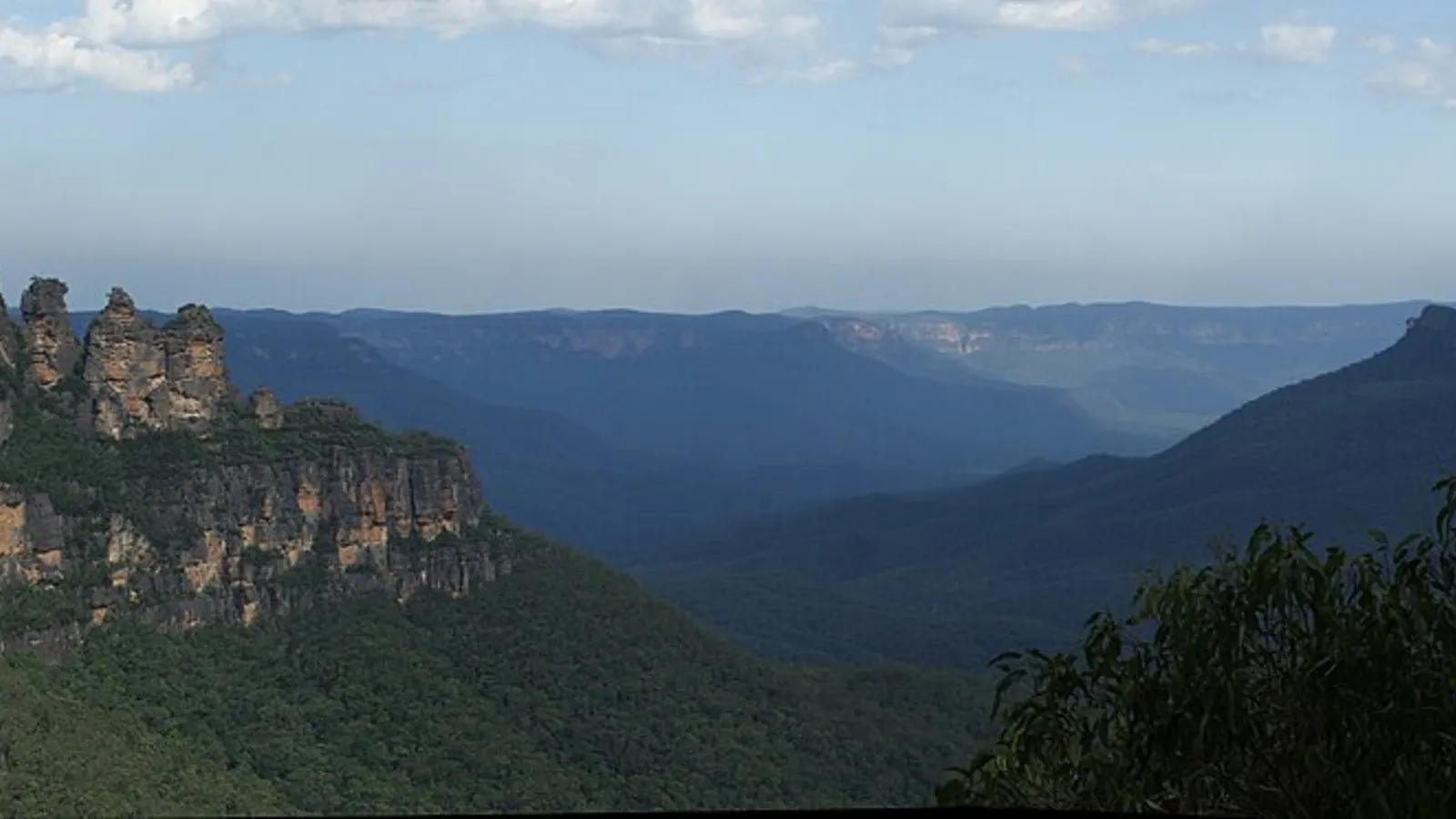
The widest choice is inland and along the Great Dividing Range. The Pilliga, the huge cypress and ironbark forest between Coonabarabran and Narrabri, has quiet forest camps off the Newell Highway. Barrington Tops State Forest has cool, high campgrounds above the Hunter Valley, and the Watagans, west of Lake Macquarie, have camping areas under tall trees within easy reach of Newcastle and the Central Coast.
Closer to Sydney, Belanglo State Forest in the Southern Highlands has a free camping area, and the forests around Tumut and Batlow in the Snowy Valleys hold camps beside dams and creeks. Forestry Corporation's website lists each forest's camping areas and any closure, and harvesting or wet roads can shut part of a forest at short notice.
- Pilliga, Barringtons, Watagans
- Check closures before you drive
- Long weekends fill early
National parks: free sites that still need a booking
NSW national parks have more than 365 campgrounds, and a number of them charge no camping fee. Most of those must still be booked on the NSW National Parks website, with a $6 booking fee, as at Brou Lake on the south coast. A few basic sites need no booking, such as Tuross River campground in Wadbilliga National Park, and neither does remote bush camping away from listed campgrounds, where NPWS suggests filling in a trip intention form.
Camping fees and park entry are separate. About 45 parks charge a vehicle entry fee, such as $8 a day at Myall Lakes and Murramarang, so a free campground inside one of those parks still costs the entry. Pets are not allowed in national parks.
- $6 to book a free park site
- Entry fees are separate
- No dogs in national parks
Council camps, showgrounds and country towns
Many country councils let travellers stay free, or for a small fee, at a riverside reserve or a camping area on the edge of town, because campers spend money in the main street. Each council sets its own rules: some take only self-contained vehicles with a toilet on board, some ask for a donation, and the stay limit is on the sign.
Showgrounds are the other cheap standby. Many take campers for a modest fee, with toilets, hot showers and sometimes power, except when a show or event is on. The visitor centre usually knows the current arrangement better than any listing.
Away from those places, camping on council land needs council approval unless an exemption applies, and ignoring a council's no camping sign brings a $110 on-the-spot fine. Crown reserves follow the rules of whoever manages them.
- Read the stay limit
- Showgrounds have showers
- No camping sign: $110 fine
Rest areas and the roadside
Rest areas are built for driver fatigue, and the official word on sleeping in them is mixed. Service NSW says they are not for camping, while a July 2026 planning practice note says camping in one may be allowed unless a no camping or no overnight stays sign is up.
Treat a rest area as a place to sleep in the vehicle and move on in the morning, not as a campsite: no awning, no chairs spread across the grass, no second night. Park in the car and caravan bays, keep the truck bays clear for heavy vehicles, and if a sign says no overnight stays, drive on to the next town or forest.
- One night in the vehicle
- Keep truck bays clear
- A sign against it means go
Fire, water and the best season
The NSW Bush Fire Danger Period runs from 1 October to 31 March, and on a Total Fire Ban day no fire may be lit in the open. State forests also declare solid fuel fire bans, which allow gas cooking only, with a maximum penalty of $2,200 for lighting a wood fire, so check the RFS rating and Forestry Corporation's ban list each morning.
Water decides how long you can stay. Most free forest camps have no drinking water, so carry enough for every night and refill in town. The inland forests, such as the Pilliga, are at their best in autumn, winter and spring, while the high camps at Barrington Tops suit the warmer months and can be cold and wet even in summer.
- Fire danger: 1 October to 31 March
- Forest fire bans: gas only
- Carry all your water
Find free sites in AussieCamps
AussieCamps maps 372 NSW national park campgrounds, 869 roadside rest areas and 347 public dump points, each with the facilities, fees and rules the agency publishes. You can filter by cost, including free sites, save the ones you like to a trip and see the driving distance between stops.
State forest camping areas are not in the app yet, so use Forestry Corporation's pages for those. Place details are saved on the phone for use without signal, while the map, routing and weather need a connection. AussieCamps runs on iPhone.
- Filter by cost
- Rest areas and dump points
- iPhone only
Places along the way
Check before you go
Rules and conditions change. Recheck the official source and the page for your exact park or campground before departure.
- Forestry Corporation of NSW: camping and picnics
- Forestry Corporation of NSW: camping in NSW state forests
- Forestry Corporation of NSW: solid fuel fire bans
- NSW National Parks: camping and accommodation
- NSW National Parks: Tuross River campground
- NSW National Parks: Brou Lake campground
- NSW National Parks: fee-collecting parks
- NSW National Parks: pets in national parks
- Service NSW: find rest areas in NSW
- NSW caravan parks and camping grounds practice note, July 2026
- NSW Rural Fire Service: Bush Fire Danger Period
Common questions
Where can I camp for free in NSW?+
In most state forests, which allow free camping with no booking for up to four weeks. Some national park campgrounds charge no camping fee but still take a $6 booking, a few remote park sites need no booking at all, and some country councils run free or low-cost camps. A rest area with no sign against it can do for one night in the vehicle.
Is free camping legal in NSW?+
Yes, where the land manager allows it. State forests, no-fee park campgrounds and council camps that say so are all legal places to stay. Camping elsewhere on council land needs approval, and ignoring a council's no camping sign brings a $110 on-the-spot fine.
Can you camp anywhere in a NSW state forest?+
In almost all of them, yes: camping is free and first come, first served for up to four weeks, except in Cumberland and Strickland state forests. Check Forestry Corporation's website before you go, because harvesting, fire or wet weather can close a forest or a road into it.
Can I take my dog free camping in NSW?+
Yes, in state forests, where dogs are welcome if kept under control and Forestry Corporation asks that they stay on a lead. Dogs are not allowed in NSW national parks, so a forest camp or a council camp that allows pets is the usual choice.
Places to camp in New South Wales


Take it on the road
Save the stops. Plan the whole trip.
Build an ordered route from saved places, calculate the distance and keep dates, notes and to-dos attached.