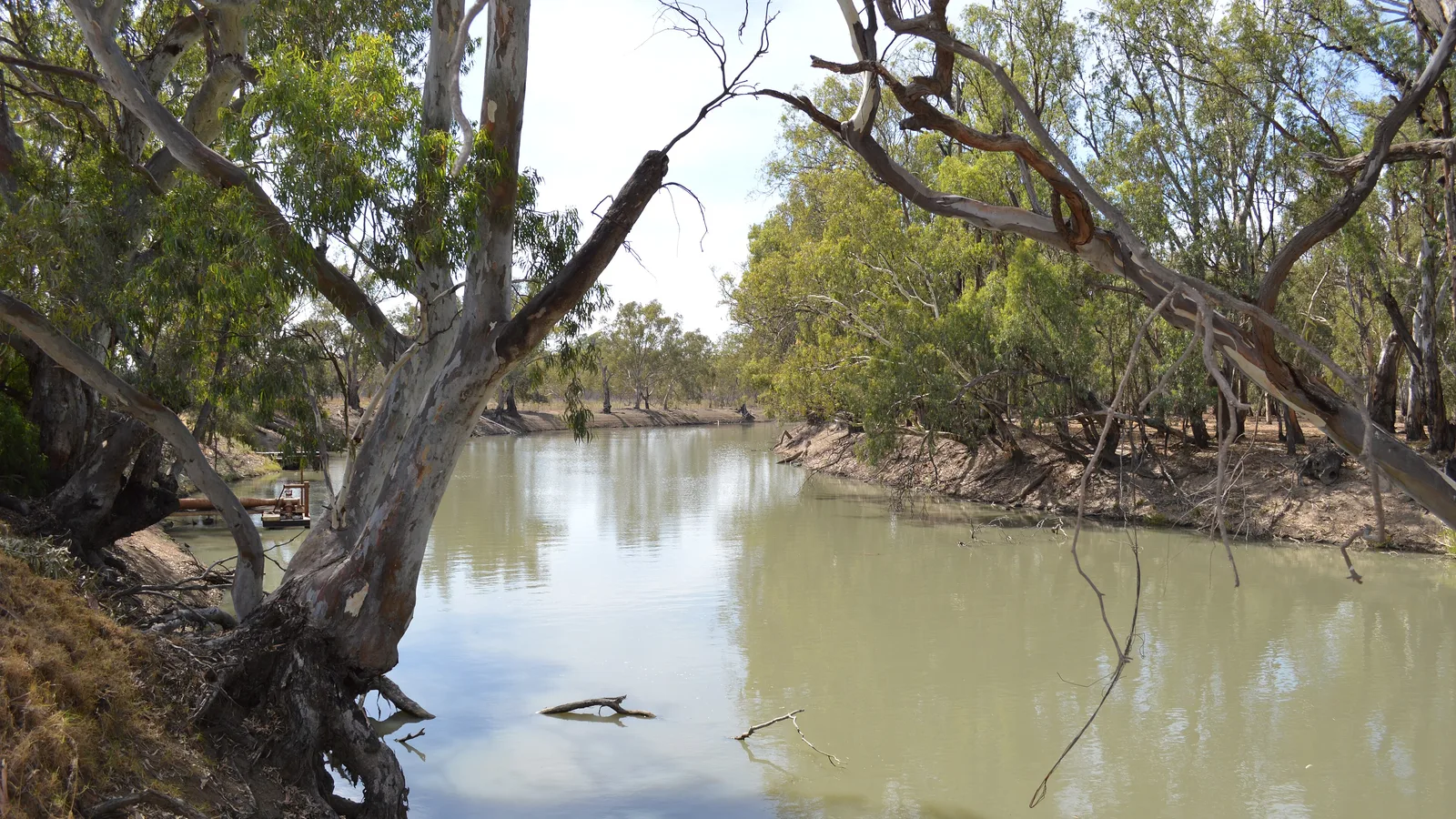
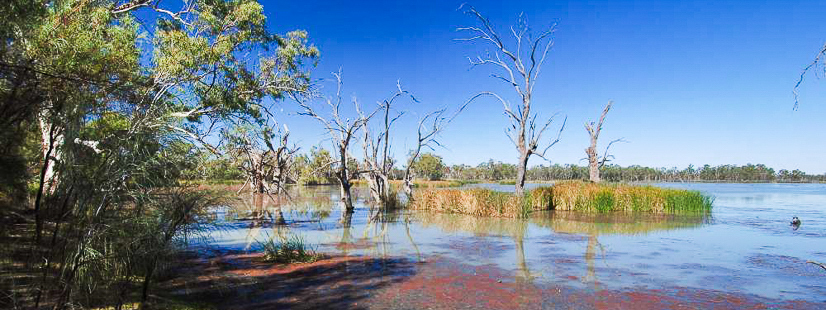
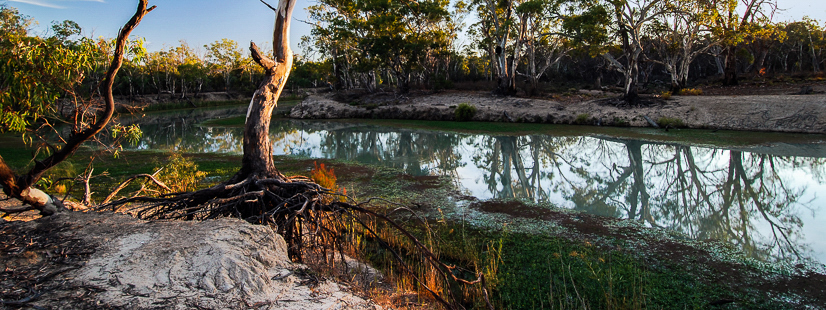
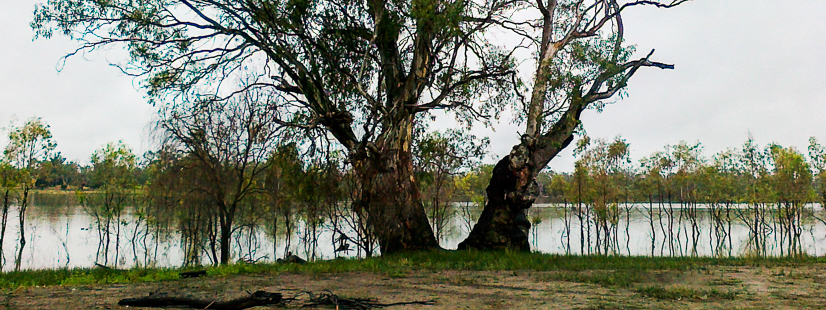
The Riverland is the stretch of the Murray River in South Australia between the Victorian border and Morgan, a run of river red gums, sandy bends, lagoons and irrigated orchards around the towns of Renmark, Berri, Loxton, Barmera and Waikerie. It is one of the easiest places in the state to camp by water: national park river camps, lakeside reserves and caravan parks with their own river frontage. Below is where to camp, the rules that catch visitors out and the best time to go.
Where the Riverland is
The Riverland sits in the east of South Australia, where the Murray enters the state from Victoria and New South Wales and winds west towards Morgan before turning south to the sea. The Sturt Highway runs through it on the way between Adelaide and Mildura or Sydney, so many people meet it on a longer drive, but it rewards a few slow days of its own.
The main towns are close together, which makes it easy to camp on the river at night and drive a short way for supplies, a bakery or a pub meal during the day.
- East of Adelaide, on the Sturt Highway
- Towns are close together
- Good on the way to Mildura or Sydney
Murray River National Park and Chowilla
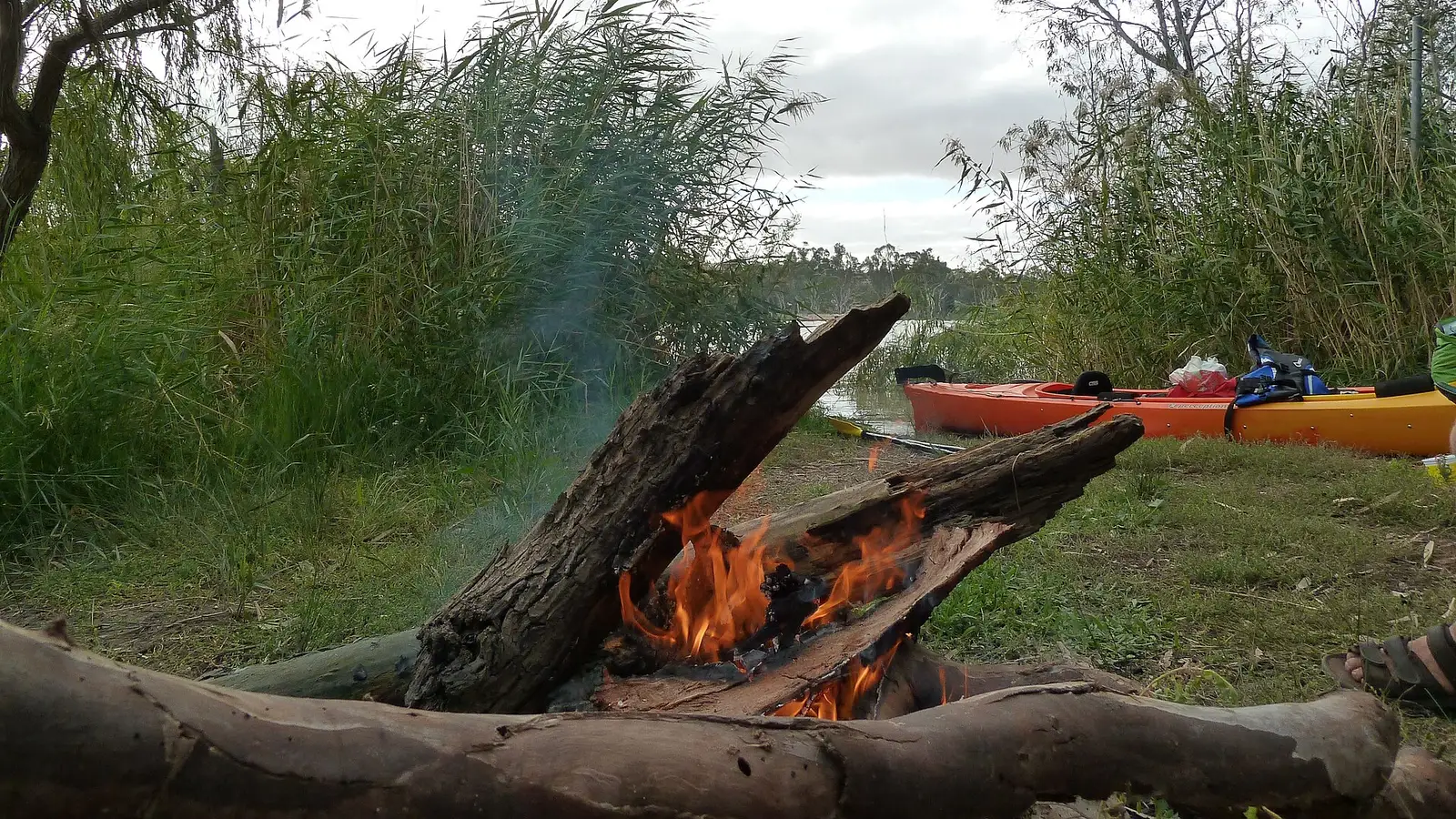
The Murray River National Park is split into sections along the river, including Katarapko near Loxton and Berri, Lyrup Flats and Bulyong Island near Renmark. Each has bush campsites on the river or its creeks, usually with few or no facilities, so bring water, a toilet plan and everything you need. National Parks South Australia takes bookings and fees for these sites online.
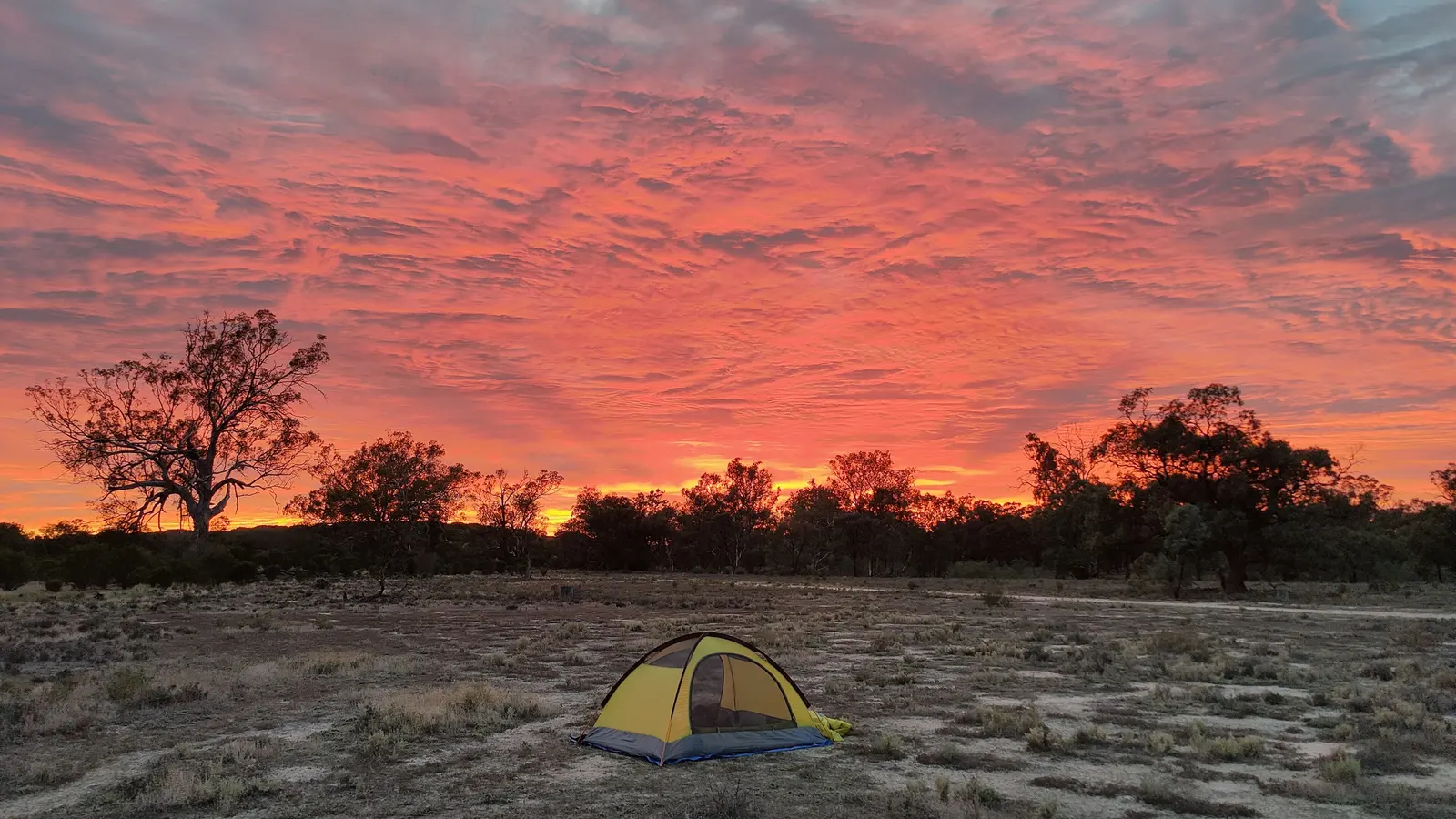
Further upstream, the Chowilla area near the border has remote river and creek camping among red gums and floodplain. Tracks can be sandy, and they close when the river floods or after rain, so check access before you take a campervan or a caravan in.
- Book national park sites online
- Bring water and a toilet plan
- Check track and flood closures
Lake Bonney and Overland Corner
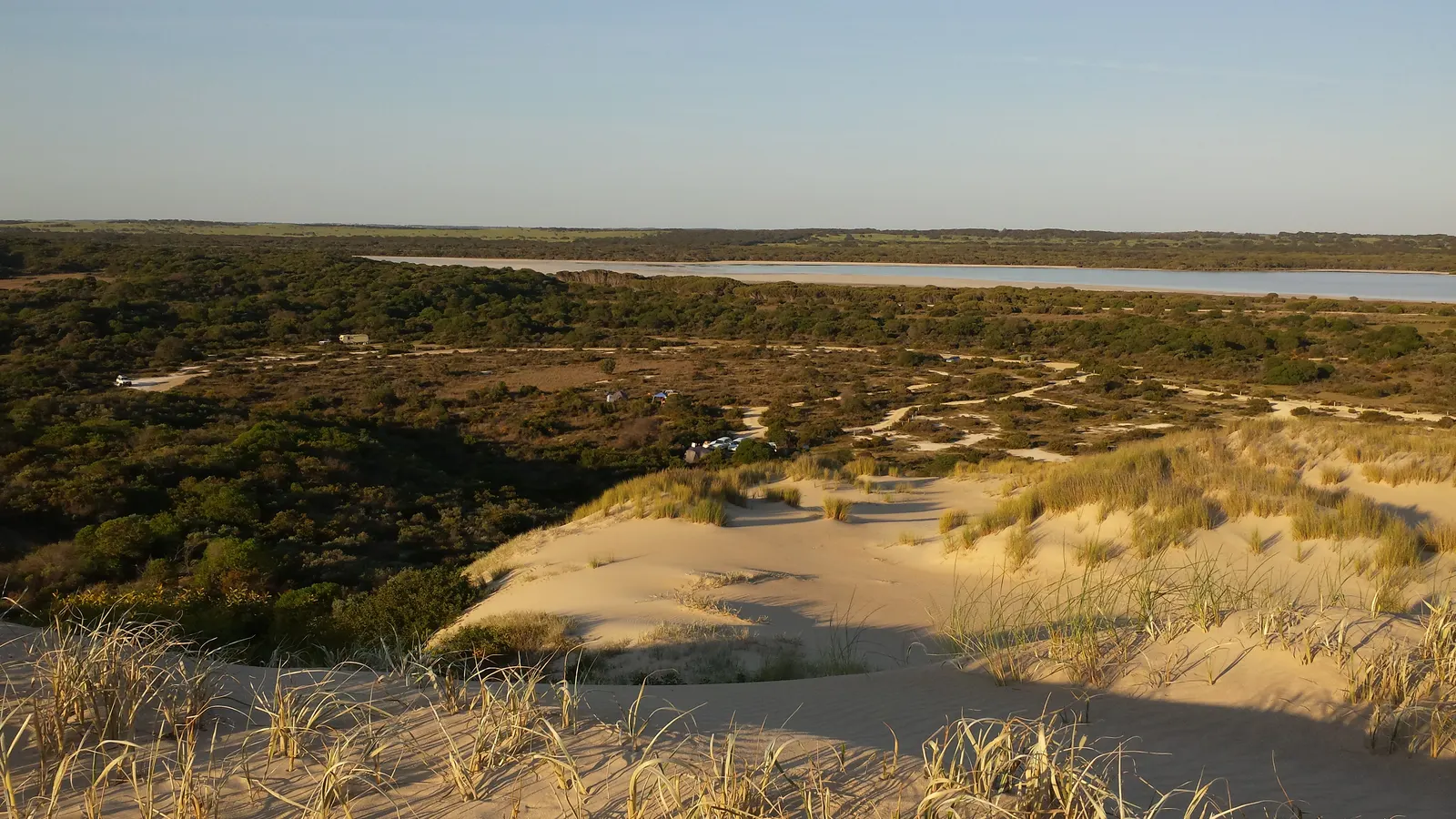
Lake Bonney at Barmera is a large, shallow freshwater lake beside the river, with sandy foreshore, swimming in the warmer months and a caravan park and camping areas along its shore. It is a popular base for families, and the water is calmer than the river for kayaks and kids.
Overland Corner, a short drive from Barmera, is one of the Riverland's oldest stops, with a historic hotel and river country around it. Riverfront camping in the area is a mix of reserves and private land, so read the signs, camp only where it is allowed and treat the pub as a lunch stop rather than a campground.
- Lake Bonney for calm water
- Overland Corner for history
- Camp only where signed
River towns and caravan parks
Renmark, Berri, Loxton, Waikerie and Morgan all have caravan parks, many right on the water with powered sites, cabins, showers and a boat ramp nearby. They are the easy choice in summer, in school holidays and when you want a hot shower after a few nights in the bush.
Some councils also run low-cost or free short-stay areas for self-contained vehicles. Stay limits and conditions vary from town to town and change over time, so check the current rule on the day rather than trusting an old list.
- Caravan parks on the water
- Short-stay areas vary by town
- Book ahead in holidays
Fruit fly rules and fresh produce
The Riverland protects its orchards with strict fruit fly rules. Fresh fruit and some vegetables cannot be brought into the region, and there are quarantine bins on the main roads in. The rules can tighten during an outbreak, so check the current restrictions before you travel and plan to arrive with an empty fruit box.
The upside is the produce itself: oranges, stone fruit, nuts and wine from roadside stalls, farm gates and markets across the region. Buy it inside the Riverland and eat it there. The biosecurity guide explains the wider interstate rules.
- Arrive with no fresh fruit
- Use the quarantine bins
- Buy local inside the region
When to go and what to watch for
Autumn and spring are the best seasons, with warm days, cool nights and calm water. Summer is very hot in the Riverland, often well over 35 degrees, which is fine for swimming and houseboats but hard work in a tent. Winter days are mild and nights can be cold.
The river itself sets the rules. High water floods campsites and closes tracks, and low water can expose snags and sandbars. Swim only where it is safe, never dive into the river, keep children close to the bank and watch for submerged logs. Fire bans apply through the warmer months, so carry a gas stove.
- Autumn and spring are best
- Check river levels
- Never dive into the river
Seasonal work and longer stays
The Riverland is one of South Australia's main fruit and wine regions, and harvest work draws working holiday makers through much of the year. If you are staying for work, a caravan park with weekly rates is usually more practical than moving between free camps, and it gives you a reliable address and power.
The regional work guide covers the visa side and how to find a cheap place to stay while you work.
- Harvest work through the year
- Weekly rates at caravan parks
- See the regional work guide
Plan the trip in AussieCamps
AussieCamps lists 1,838 campgrounds and 745 national parks from the state park agencies, plus 5,552 rest areas from road authorities, with each place's facilities, fees and rules as the agency publishes them. You can filter by cost, save places to a trip and see the driving distance between stops.
The iPhone app is free to download, with in-app purchases.
- Filter by cost
- Save river camps to a trip
- Free to download
Places along the way
Check before you go
Rules and conditions change. Recheck the official source and the page for your exact park or campground before departure.
Common questions
Can you camp on the Murray River in South Australia?+
Yes. The Murray River National Park, Chowilla and several council and riverfront reserves in the Riverland have camping, and the river towns all have caravan parks on or near the water. Many national park sites are booked and paid online before you arrive, so check the park page first.
Is there free camping in the Riverland?+
Some, but less than many people expect. A few riverfront reserves and towns allow short stays for free or for a small fee, and the rules change with floods, river levels and council decisions. Read the sign at each site and check the council page, and keep a paid campground as the fallback.
How far is the Riverland from Adelaide?+
Renmark, at the far end of the Riverland, is roughly three hours from Adelaide along the Sturt Highway. Waikerie and Morgan are closer, at around two hours, which makes the lower river a good weekend trip.
Can I take fruit into the Riverland?+
Usually not. The Riverland has strict fruit fly rules, and fresh fruit and some vegetables cannot be carried in from outside the region. Eat it or drop it in the quarantine bins on the way in, then buy fresh produce from the Riverland's own growers.
Places to camp in South Australia


Take it on the road
Save the stops. Plan the whole trip.
Build an ordered route from saved places, calculate the distance and keep dates, notes and to-dos attached.