Mosquitoes are the biting insect that matters most on an Australian camping trip, because they spread Ross River and Barmah Forest viruses everywhere, and in some places Japanese encephalitis and dengue. March flies hurt more and biting midges itch for longer, but midges carry no known human disease here, and ticks matter mostly for allergic reactions. A repellent with DEET, picaridin or oil of lemon eucalyptus, long loose clothes at dawn and dusk, and a pitch away from still water and mangroves deal with most of it. We read each health department page on 9 November 2026.
What bites, where and when
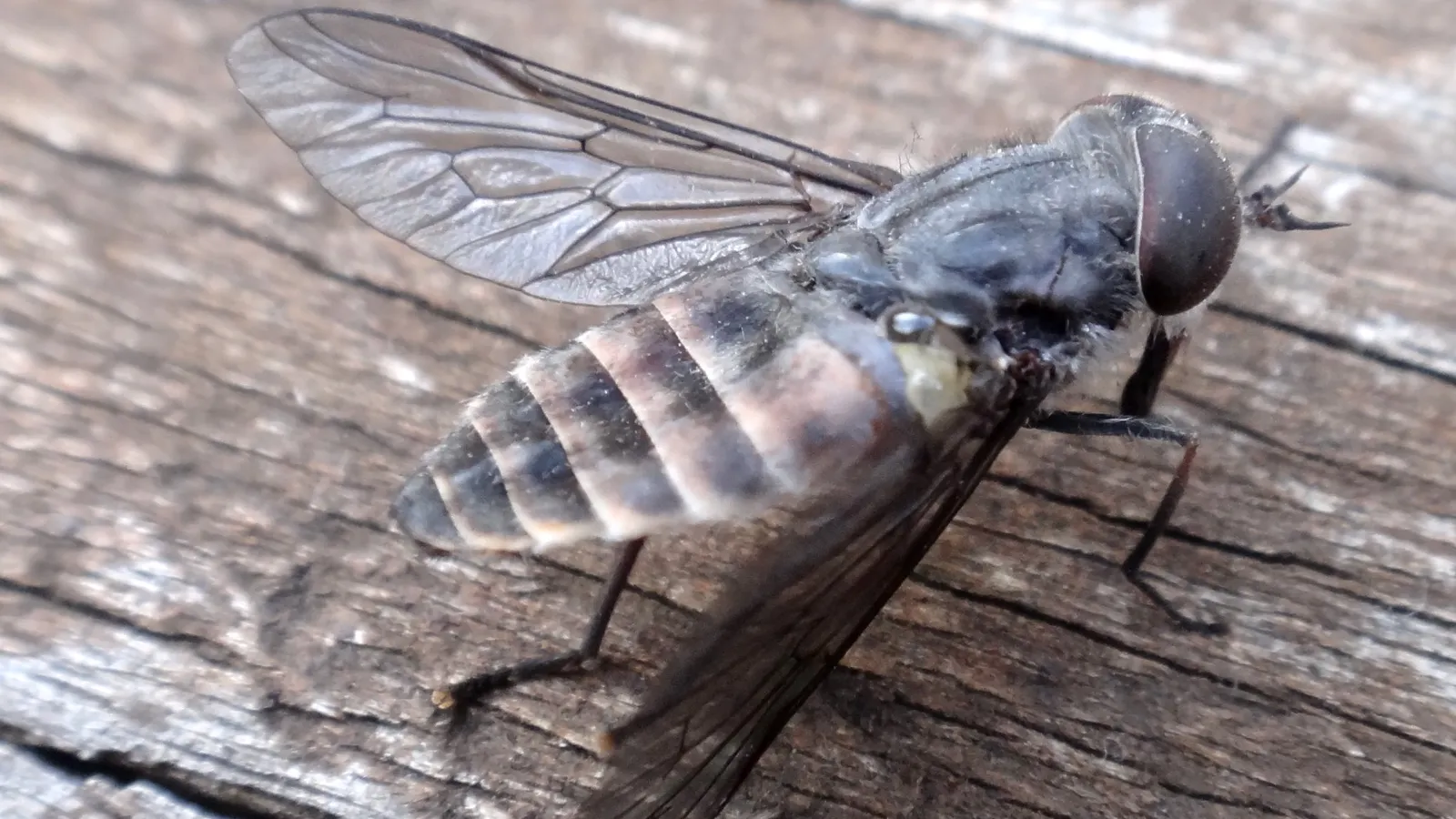
Four groups do most of the biting. Mosquitoes are found across the country and are busiest in warm, wet weather. The Australian Museum says march flies live throughout Australia around freshwater creeks, estuaries and mangroves, and that only the females bite, because they need blood to breed.
Western Australia's health department says biting midges bite around dawn and dusk, can keep going through the night, and bite all day when it is overcast, mostly in tropical and subtropical areas near sandy estuaries and mangroves. Ticks used to live mainly on the east coast but now have populations inland too, and the risk is there all year.
| Insect | Where | When | Main risk |
|---|---|---|---|
| Mosquitoes | Across Australia, most near wetlands, rivers and mangroves | Warmer months and after rain | Ross River and Barmah Forest viruses; dengue and encephalitis in some areas |
| March flies | Throughout Australia, near creeks, estuaries and mangroves | Warm weather | Painful bites; only females bite |
| Biting midges (sandflies) | Tropical and subtropical coasts near estuaries and mangroves | Dawn, dusk, night and overcast days | Itchy bites; no known human disease in Australia |
| Ticks | Mainly the east coast, some inland areas | All year | Allergy, meat allergy and, rarely, tick paralysis |
- Mosquitoes: everywhere, warm and wet
- Midges: dawn, dusk and cloud
- Ticks: east coast, all year
The mosquito diseases to know
Healthdirect, the national health advice service, lists Ross River virus, Barmah Forest virus, dengue, Japanese encephalitis and Murray Valley encephalitis among the mosquito-borne diseases in Australia. Ross River and Barmah Forest are the common ones, with fever, rash and sore joints. There is no vaccine for either, so the only protection is not being bitten.
Japanese encephalitis has a vaccine. The Australian Immunisation Handbook recommends it for some people who live, work or spend time in risk areas, and states have offered it free to campers in high-risk areas in recent seasons, so ask a GP or pharmacist before a summer trip along inland rivers; protection can take up to two weeks. Dengue is a risk in north Queensland: Queensland Health says the mosquito that spreads it lives in north and central Queensland, and outbreaks start when a traveller brings the virus in.
- Ross River: no vaccine
- Ask about the Japanese encephalitis vaccine
- Dengue risk in north Queensland
Repellent and clothing that work
Healthdirect says the best repellents contain DEET, picaridin or oil of lemon eucalyptus, and that you should use products approved by the Australian Pesticides and Veterinary Medicines Authority. Put repellent on after sunscreen, on exposed skin only. An adult should apply it to children under 5, and it is not advised for babies under 3 months, who are better protected by clothing and a net over the pram or cot.
For midges, Healthy WA says DEET or picaridin works best and that a higher concentration lasts longer, so match the strength to the time you will be outside. Cover up with long, loose and light-coloured clothing at dawn and dusk. Even if you have had a vaccine, healthdirect says you still need to avoid bites.
- DEET, picaridin or lemon eucalyptus
- Sunscreen first, repellent second
- Long, loose, light clothes
Pick the pitch and close the camp
Mosquitoes breed in still water and midges in estuary mud, so the same campground can be bearable on one side and miserable on the other. Choose a site with a breeze, away from mangroves, swamps and stagnant creeks, and arrive early enough to judge it in daylight.
Healthy WA says midges are small enough to get through standard fly screens, so screen caravans and tents with fine mesh, and notes that a fan or moving air discourages them. Close up before dusk, keep the screen door shut while you cook, and sleep under a net if your tent or van has gaps.
- Breeze beats shelter
- Fine mesh for midges
- Close up before dusk
Ticks: freeze it, don't squeeze it
The Australasian Society of Clinical Immunology and Allergy says the paralysis tick can cause allergic reactions when it is disturbed, because squeezing it makes it inject more saliva. Its advice is to freeze the tick with a product that rapidly freezes and kills it, usually an ether-containing spray, and let it drop off, or to leave it in place and get medical help.
Do not pull it out with tweezers, and do not dab it with methylated spirits or kerosene. The society also links tick bites to mammalian meat allergy, a reaction to beef, lamb, pork and kangaroo meat that can appear later. After a walk through long grass or scrub on the east coast, check your skin and your hairline.
- Freeze, then let it drop
- No tweezers, no kerosene
- Check skin after bush walks
When a bite is more than a bite
Most bites only itch. See a doctor if a fever, rash or joint pain follows a trip, and say where you camped, because that is what points to Ross River, Barmah Forest or dengue.
A severe allergic reaction to a tick or an insect bite is an emergency: trouble breathing, swelling of the face or throat, or collapse. Call triple zero (000). Where there is no coverage, 112 will try any available network from a mobile phone.
- Fever after a trip: see a GP
- Say where you camped
- Breathing trouble: call 000
Choose breezier camps in AussieCamps
AussieCamps shows campgrounds and national parks across Australia with the facilities, access and fees the park agencies publish, and a 7-day forecast on each place page, so you can see whether a still, humid night is coming. Filters for water, toilets, showers and power help you find a site where you can close up early and still cook and wash.
Place details stay readable with no signal, which is useful in the mangrove and river country where reception drops. The map, directions and weather need a connection. AussieCamps runs on iPhone.
- Forecast on each place
- Filter by facilities
- iPhone only
Places along the way
Check before you go
Rules and conditions change. Recheck the official source and the page for your exact park or campground before departure.
Common questions
When are mosquitoes worst when camping in Australia?+
In the warmer months, after rain and flooding, and near wetlands, rivers, creeks and mangroves. Biting midges, which Australians often call sandflies, are worst at dawn and dusk and on still, overcast days near estuaries and mangroves.
How do you remove a tick in Australia?+
Freeze it and let it drop off. The Australasian Society of Clinical Immunology and Allergy says to use a freezing spray, usually ether-based, which kills the tick within about five minutes, and not to pull it out with tweezers or touch it, because disturbing it can inject more allergen. If you are allergic to ticks, have it removed at a hospital emergency department.
Take it on the road
Save the stops. Plan the whole trip.
Build an ordered route from saved places, calculate the distance and keep dates, notes and to-dos attached.