Most road trips in Australia go well, and the ones that go wrong tend to go wrong in the same few ways: too many kilometres a day, a drive at dusk, a fuel stop missed, a dirt road a hire vehicle was not allowed on, or a night spent somewhere camping was not allowed. Here are twelve common mistakes and the simple habit that avoids each one.
Planning mistakes
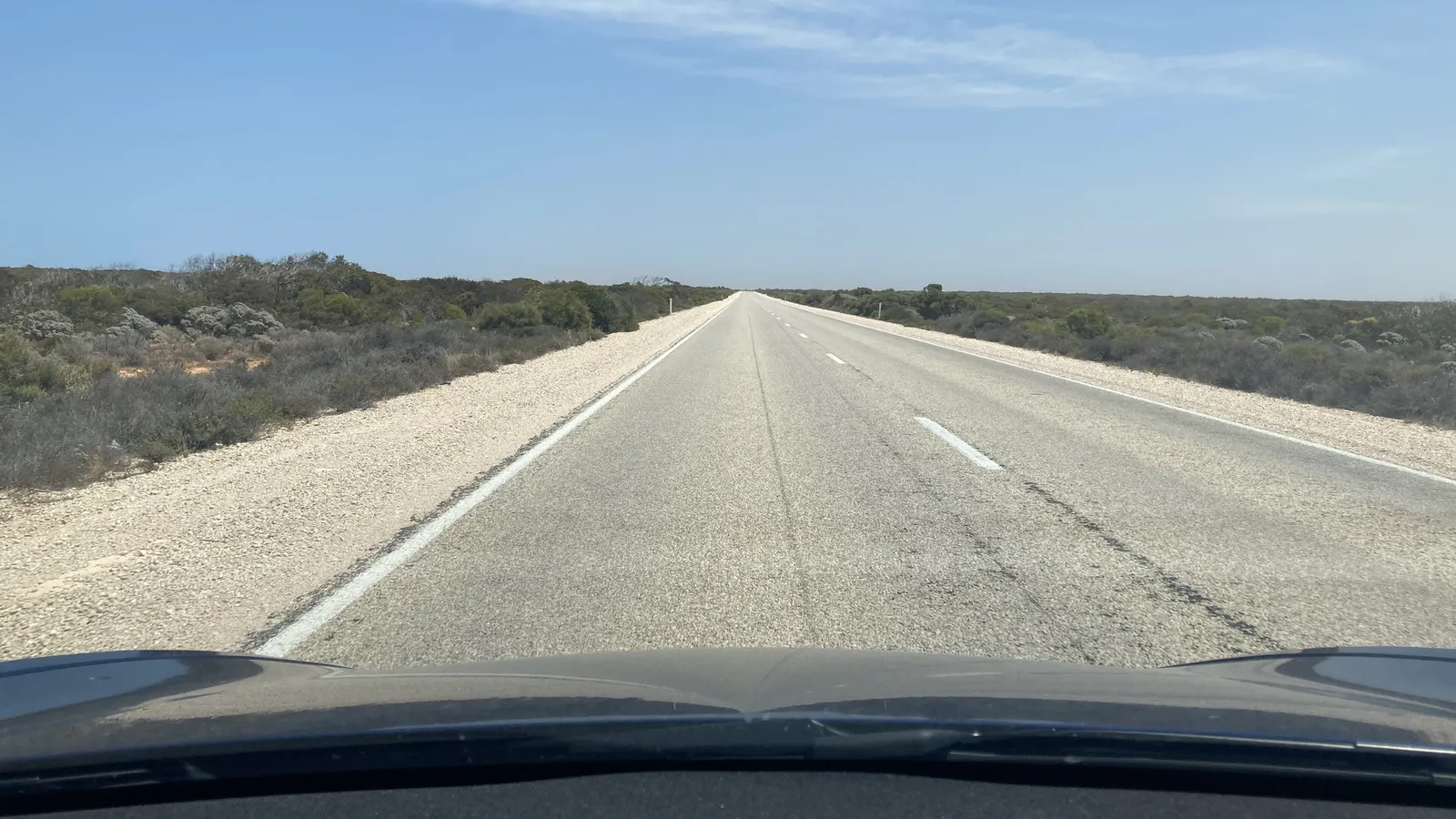
1. Underestimating the distances. Australia is about as big as mainland Europe or the lower forty-eight states of the US, and the gaps between towns get longer the further you go from the coast. Plan your days in hours, not kilometres, and leave a spare day for every week.
2. Trying to see everything. A two-week trip that covers the whole east coast and the Red Centre is mostly a view through a windscreen. Pick one region or one route and go slower.
3. Booking too late for peak times. Christmas, Easter, long weekends and school holidays fill popular campgrounds, caravan parks and ferries months ahead. If your trip falls in one of them, book the busy stops first.
- Plan in hours, not kilometres
- One region done well
- Book the peak dates early
Driving mistakes
4. Driving at dawn, dusk or night. This is when kangaroos, wombats, cattle and other animals are on the road. Aim to be at camp before sunset and start after it is properly light. If something jumps out, brake in a straight line rather than swerving.
5. Pushing on when tired. Long straight roads are hypnotic. Stop every two hours, use the driver reviver stops and rest areas, swap drivers and never try to make up time at the end of the day.
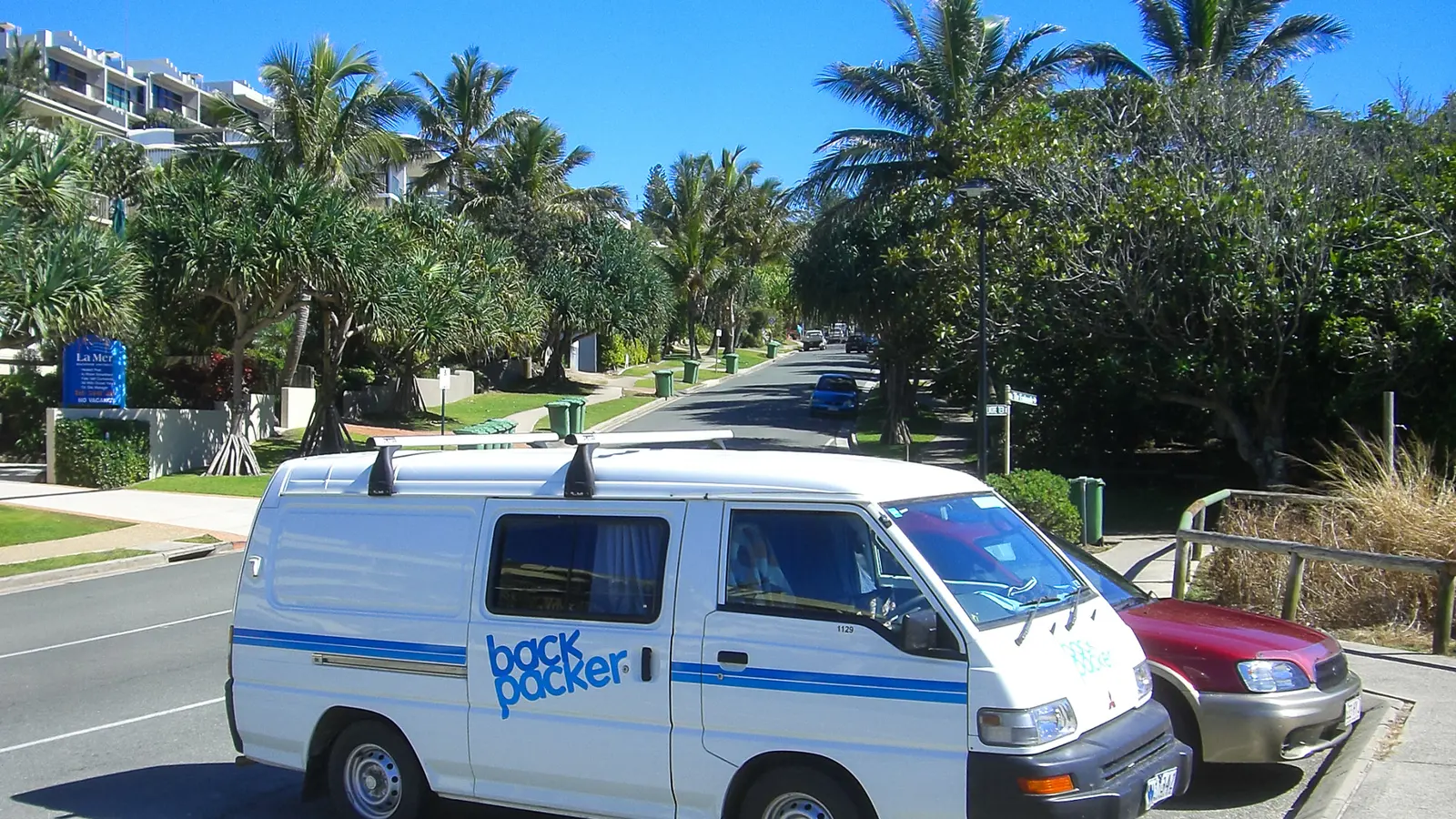
6. Taking a hire vehicle where it is not allowed. Most two-wheel-drive campervans and many hire cars cannot legally go on unsealed roads under their hire terms, and the insurance stops at the bitumen. Read the terms before you plan a dirt road.
- Be at camp before sunset
- Rest every two hours
- Check your hire terms for dirt roads
Fuel, water and signal
7. Passing the last fuel stop. In remote areas the next service station can be hundreds of kilometres away, and some close early or run out. Fill up whenever you can in the outback, and check opening hours before a long stretch.
8. Carrying too little water. Heat and dry air use it up fast. Carry several litres a person a day and more in summer or in the outback, plus spare in the vehicle in case of a breakdown.
9. Counting on phone signal. Mobile coverage disappears quickly outside towns and along most outback roads. Download what you need while you have signal, tell someone your plans and consider a satellite messenger or a personal locator beacon for remote trips.
- Fill up at every chance in remote areas
- Carry more water than you think
- Plan for no signal
Camping mistakes
10. Assuming you can camp anywhere. Rules differ by state, council and park, and many towns, beaches and rest areas ban overnight stays. Camp where it is clearly allowed, check stay limits and book national park sites before you arrive.
11. Ignoring fire bans and the weather. A total fire ban means no campfires and sometimes no solid-fuel stoves, and the fines are large. Check the fire danger rating and the forecast every day, especially in summer, and leave early if a fire or flood warning affects your area.
- Camp only where it is allowed
- Check fire bans daily
- Watch the forecast
Border and wildlife mistakes
12. Carrying fruit across a border. Several states and regions ban fresh fruit and some vegetables to keep out fruit fly and other pests, with quarantine bins and checkpoints on the main roads. Run the fruit bowl down before a border and buy fresh on the other side.
A bonus one: swimming without reading the signs. Crocodiles live in rivers, estuaries and the sea across the tropical north, box jellyfish and other stingers are in northern waters in the warmer months, and surf beaches have rips. Swim only where it is clearly safe and between the flags at patrolled beaches.
- Empty the fruit bowl before a border
- Read every water sign
- Swim between the flags
The habits that avoid most of them
Most of these mistakes come from the same thing: trying to do too much in too little time. Shorter driving days leave room to stop before dark, fill up when you can, check tomorrow's camp and enjoy the places you came to see.
The first campervan trip guide covers the first few days in a hire vehicle, and the long-distance driving guide goes deeper on rest breaks, fuel and other road users.
- Shorter days
- Arrive before dark
- Check tomorrow tonight
Plan the trip in AussieCamps
AussieCamps lists 1,838 campgrounds and 745 national parks from the state park agencies, plus 5,552 rest areas from road authorities, with each place's facilities, fees and rules as the agency publishes them. You can filter by cost, save places to a trip and see the driving distance between stops.
The iPhone app is free to download, with in-app purchases.
- See the distance between stops
- Save stops to a trip
- Free to download
Places along the way
Check before you go
Rules and conditions change. Recheck the official source and the page for your exact park or campground before departure.
Common questions
What is the biggest mistake on an Australian road trip?+
Underestimating the distances. Places that look close on a map are often a full day's drive apart, and people who plan too many kilometres a day end up tired, driving at dusk and seeing little of where they stop.
Is it safe to drive at night in rural Australia?+
It is best avoided. Kangaroos and other animals are most active around dawn and dusk and at night, and a collision can wreck a vehicle and hurt the people in it. Many hire companies also restrict driving in remote areas after dark. Plan to arrive at camp before sunset.
Can I camp anywhere in Australia?+
No. Camping is allowed only where the land manager permits it, and the rules change from state to state, council to council and park to park. Many places ban overnight stays in a vehicle. Check the sign and the rules before you set up.
How far can I drive in a day in Australia?+
Most people are comfortable with around 300 to 400 km a day with breaks, and less on unsealed or winding roads. Longer days are possible on empty highways, but stop every two hours and share the driving where you can.
Take it on the road
Save the stops. Plan the whole trip.
Build an ordered route from saved places, calculate the distance and keep dates, notes and to-dos attached.