Melbourne is a good city to see with a campervan parked up and a tram ticket in your pocket. The centre is tight, tram lines run down the middle of many streets, and the car parks are built for cars, not vans. The trick is to base the van somewhere easy, spend one day in the city on public transport, and use the other two for the drives that make a Victorian trip: the Mornington Peninsula, the start of the Great Ocean Road and the hills of the Dandenongs. Here is how that fits together.
Driving in Melbourne: trams and hook turns
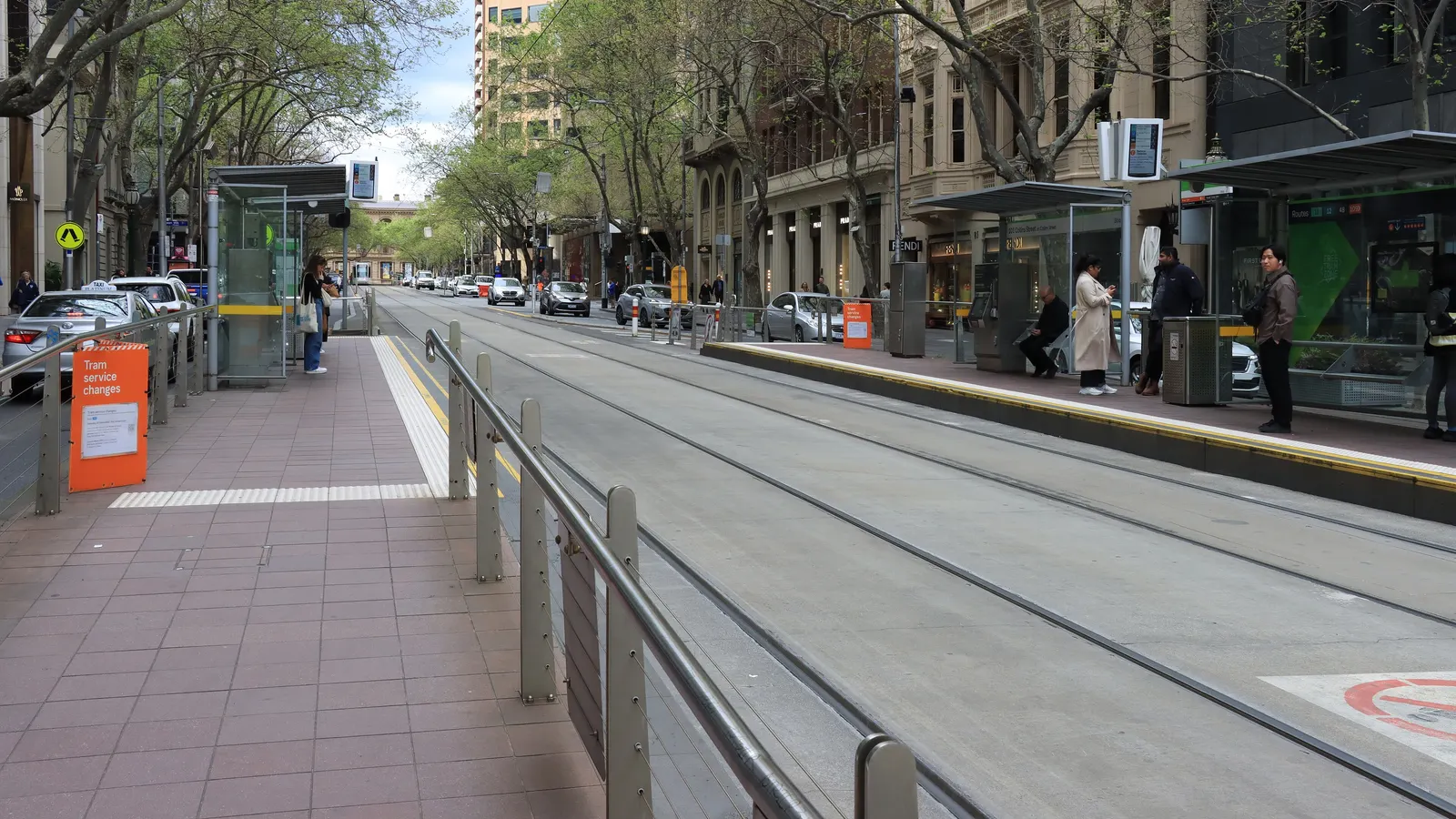
Trams share the road in the inner city, and a few rules catch visitors out. Give way to trams, never block the tracks, and when a tram stops and opens its doors with no raised platform, stop behind it until the doors close and passengers have cleared. Take extra care crossing tram tracks on a wet day, because the rails are slippery and can grab a narrow tyre.
In the CBD you will meet hook turns, signposted at some intersections where trams run down the middle. To turn right you pull into the left lane, wait at the front of the intersection and go when the lights on the road you are entering turn green. Done properly it keeps the right lane clear for the tram, and drivers behind you expect it. If it feels like too much in a big van, turn left three times around the block instead. Check the VicRoads road rules before you drive.
- Stop behind trams with open doors
- Hook turns: wait on the left, go on the cross street green
- Avoid the CBD at peak hour
Where to sleep the van
Camp outside the centre. Holiday parks sit on the northern and western edges of the city, about 10 kilometres from the CBD, with powered sites, kitchens and laundries, and a tram or train line within reach. Book ahead for weekends, school holidays and big event weekends such as the Grand Prix and the Australian Open, when prices climb and sites go. Our guide to Melbourne's caravan parks and regional camps covers the choices in more detail.
Street sleeping is not an option in the city. Councils prohibit camping and sleeping in vehicles in most public places, rangers and parking officers do patrol, and fines are real. If you want a free night, drive out to the state forests two hours from town, as set out in our free camping near Melbourne guide, then come back for the city days. Our guide on sleeping in a campervan in a city has the capital city rules for the whole country.
- Base the van at a holiday park
- Book event weekends early
- Free camping starts outside the suburbs
Parking in the CBD
Most CBD car parks are built for cars. Council-run car parks list a low height clearance, around 2 metres, and some commercial car parks are lower than the roof of a tall campervan, so check the sign at the entrance before you drive in. Even a van that clears the gate may not fit the bays. Street parking is mostly short stay, with meters, clearways at peak times and plenty of loading zones you must stay out of.
The better plan is to leave the van at the holiday park, or at a station car park on the edge of the city, and ride in. A myki card works on trams, trains and buses, and a daily cap applies, so a day of hopping around costs about the same as a few trips. The tram zone in the CBD and Docklands is free, which makes the central streets easy to see on foot and on the tram. Check the Public Transport Victoria page for current fares and zones.
| Option | Good for | Watch for |
|---|---|---|
| Holiday park on the city edge | Sleeping the van, tram or train into town | Book event weekends well ahead |
| Station car park | A day in the CBD without driving in | Height barriers, day fees and early fills |
| CBD car park | A short stop with a small van | Height limits around 2 metres |
| Street parking | Quick stops in suburbs | Time limits, clearways and loading zones |
- Check height limits at the entrance
- Park at a station and ride in
- Use myki on trams, trains and buses
Day 1: the city on foot and by tram
Take the tram into the CBD and spend the day on foot. Walk the laneways, see the Flinders Street Station steps, cross the river to the Southbank promenade and take in the Queen Victoria Market for a late breakfast or lunch. The free tram zone makes it easy to hop to the Botanic Gardens and back, or out to the beaches along the bay.
Finish with a walk along the Yarra or a tram out to St Kilda, and ride home when the evening peak has settled. Keep the van where it is, and keep the day's budget for food and coffee, which is the point of Melbourne.
- Laneways, the market and Southbank
- Tram to St Kilda or the Botanic Gardens
- Leave the van parked all day
Day 2: the Mornington Peninsula
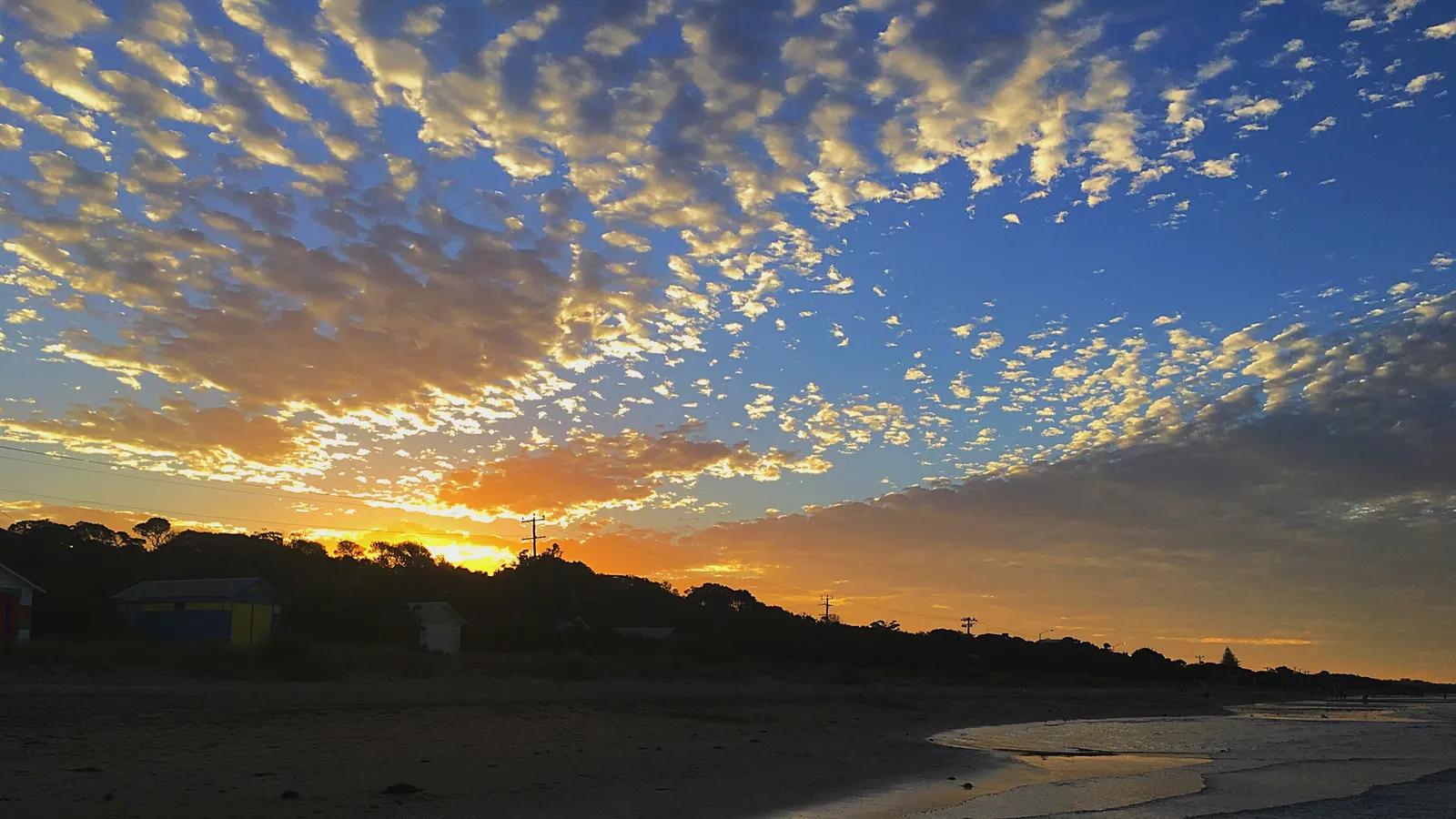
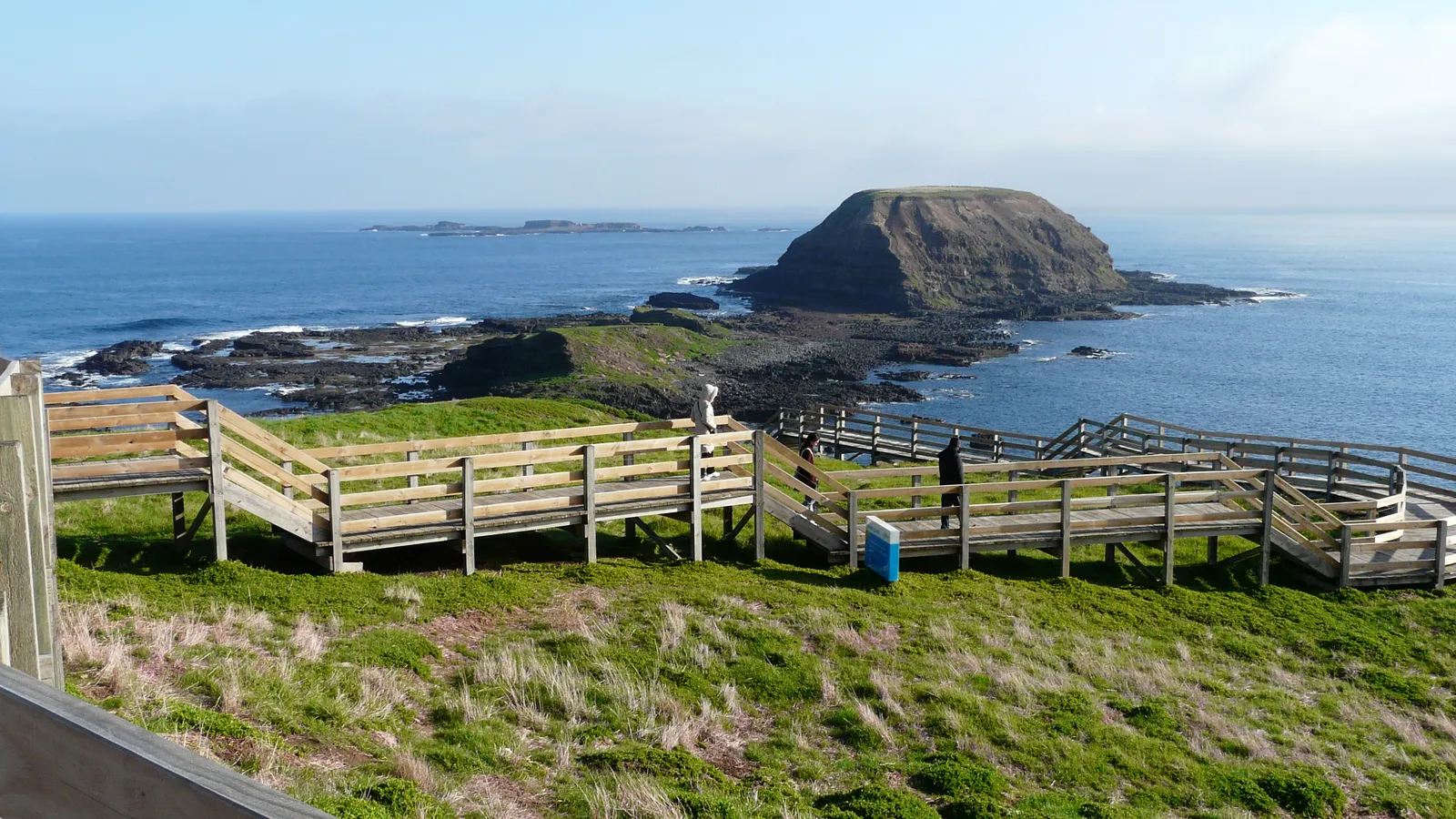
The Mornington Peninsula is about an hour and a half from the CBD by road, depending on where you start and the traffic. Drive the Nepean Highway or the Mornington Peninsula Freeway south, stop at beach towns such as Mornington, Dromana and Rosebud, walk to Cape Schanck or the Point Nepean end of the peninsula, and finish at Sorrento. It is a good day trip for a campervan, with easy parking at the beaches outside summer weekends.
Summer weekends bring heavy traffic and full beach car parks, so start early. At the end of the day you can take the vehicle ferry across to Queenscliff from Sorrento if you want to see the Bellarine Peninsula, or drive back up the Nepean Highway. Check the ferry operator's page for sailing times and vehicle sizes before you plan around it. Our camping in Melbourne guide covers the foreshore camps on the peninsula if you decide to stay a night.
- Early start on summer weekends
- Cape Schanck and Point Nepean walks
- Check the vehicle ferry for van size
Day 3: the Great Ocean Road start or the Dandenongs
The Great Ocean Road starts at Torquay, about an hour and a half from the CBD. In a single day you can reach Bells Beach, Anglesea and Lorne and come back, but the full road needs more time than a three day Melbourne trip allows. Our Great Ocean Road camping guide has a longer plan, and a day to Lorne works well as a taste of it.
If you would rather stay close, the Dandenong Ranges are an hour east, with fern gullies, the Puffing Billy railway and the towns of Olinda and Sassafras. The roads are narrow and winding, often with no verge, so take it slowly in a van and give way where the road is single lane. Weekends in the hills are busy, and there is no camping in the national park, so you drive back down in the evening.
- Torquay to Lorne is a long day
- Dandenong roads are narrow and busy at weekends
- Base yourself at a nearby holiday park
Tolls, fuel and the airport run
Several of the fast roads into and around Melbourne are tolled, including CityLink and EastLink, and there are no toll booths: a camera records the van. Buy a visitor pass on the Linkt website, or tell your hire company how it passes tolls on, and check the day limit for paying after the trip. Our toll roads guide has the windows and the likely hire company fee. If you can take a non-tolled road for a short trip, do.
Fill up and return the van with the fuel level your hire company asks for before the airport run, because the airport is on the north side and the roads are busy at peak times. Keep your trip plan loose on the last day, and allow time for the drop off and the bond check.
- Buy a toll pass or check your hire plan
- Return with the fuel level required
- Allow time at the depot
Plan Melbourne in AussieCamps
AussieCamps lists holiday parks, campgrounds, national parks, rest areas and dump points around Melbourne, with each place's facilities, fees and rules as the agency publishes them. Filter by cost, dogs or online booking, sort by nearest, and save the camps for each night to a trip with the weather for each stop.
Holiday parks listed by BookEasy can be booked from the app, and a trip shows the driving distance and time between stops. AussieCamps runs on iPhone and is free to download, with in-app purchases.
- Holiday parks near the city
- Driving time between stops
- Weather for each stop
Places along the way
Check before you go
Rules and conditions change. Recheck the official source and the page for your exact park or campground before departure.
Common questions
Can I drive a campervan into central Melbourne?+
Yes, but it is slow and not much fun. Many CBD car parks have a low height limit, around 2 metres, so a tall van will not fit, and street parking is short-stay. Most campers park the van at a holiday park or a station car park and ride a tram or train in.
Where can I park a campervan overnight in Melbourne?+
A holiday park is the reliable answer. Councils across the city sign against sleeping in vehicles on streets and in car parks, and rangers do patrol. Free camping starts well outside the suburbs, in state forests.
What is a hook turn in Melbourne?+
A right turn made from the left lane at some CBD intersections where trams run down the middle. You pull to the left, wait until the traffic light on the road you are turning into goes green, then turn. Signs at each intersection tell you when it applies.
Is three days enough for Melbourne by campervan?+
It is enough for a day in the city, a day on the Mornington Peninsula and a day on the start of the Great Ocean Road or in the Dandenongs. Add a fourth day if you want both of those last two.
Places to camp in Victoria

Take it on the road
Save the stops. Plan the whole trip.
Build an ordered route from saved places, calculate the distance and keep dates, notes and to-dos attached.