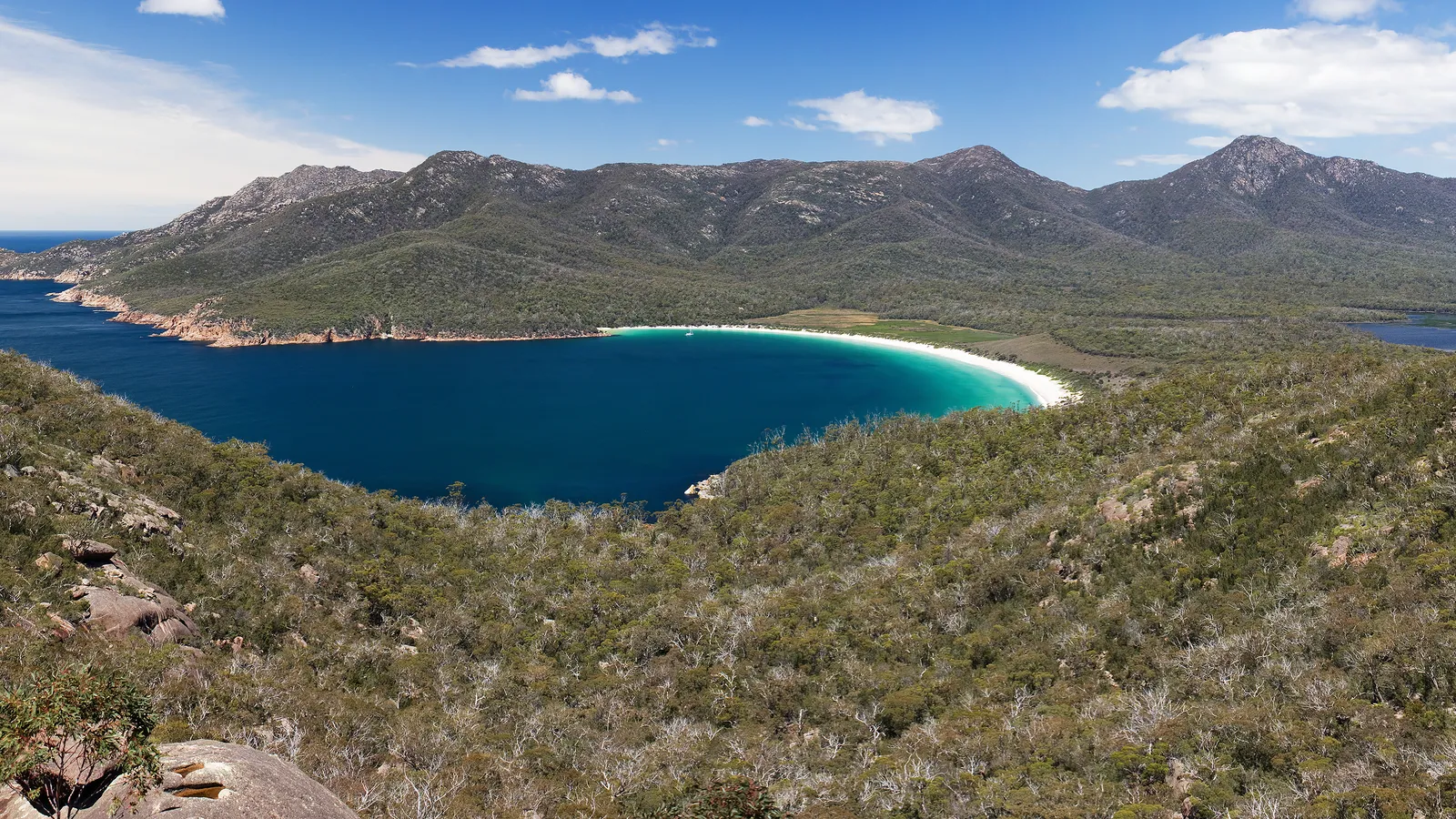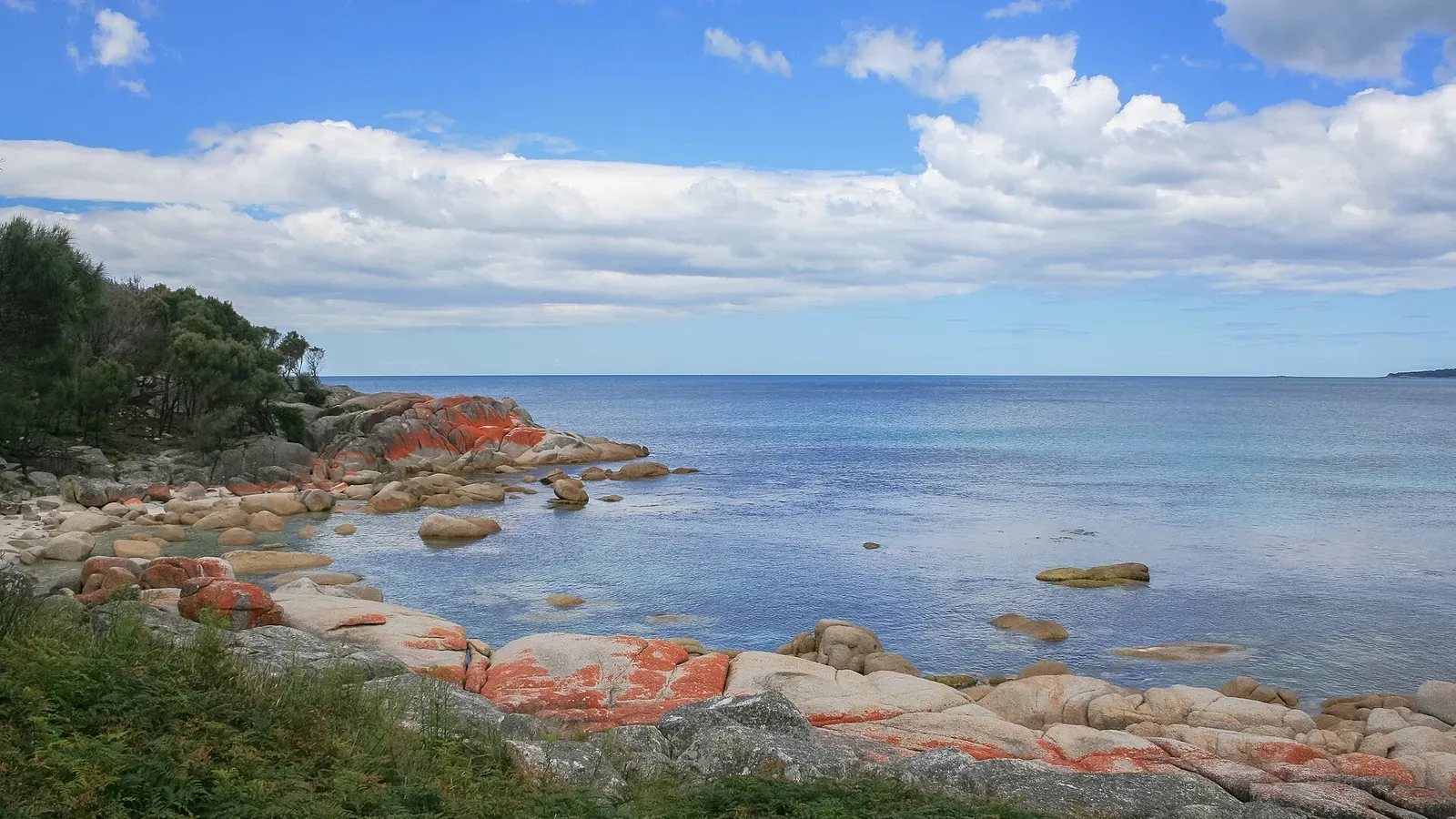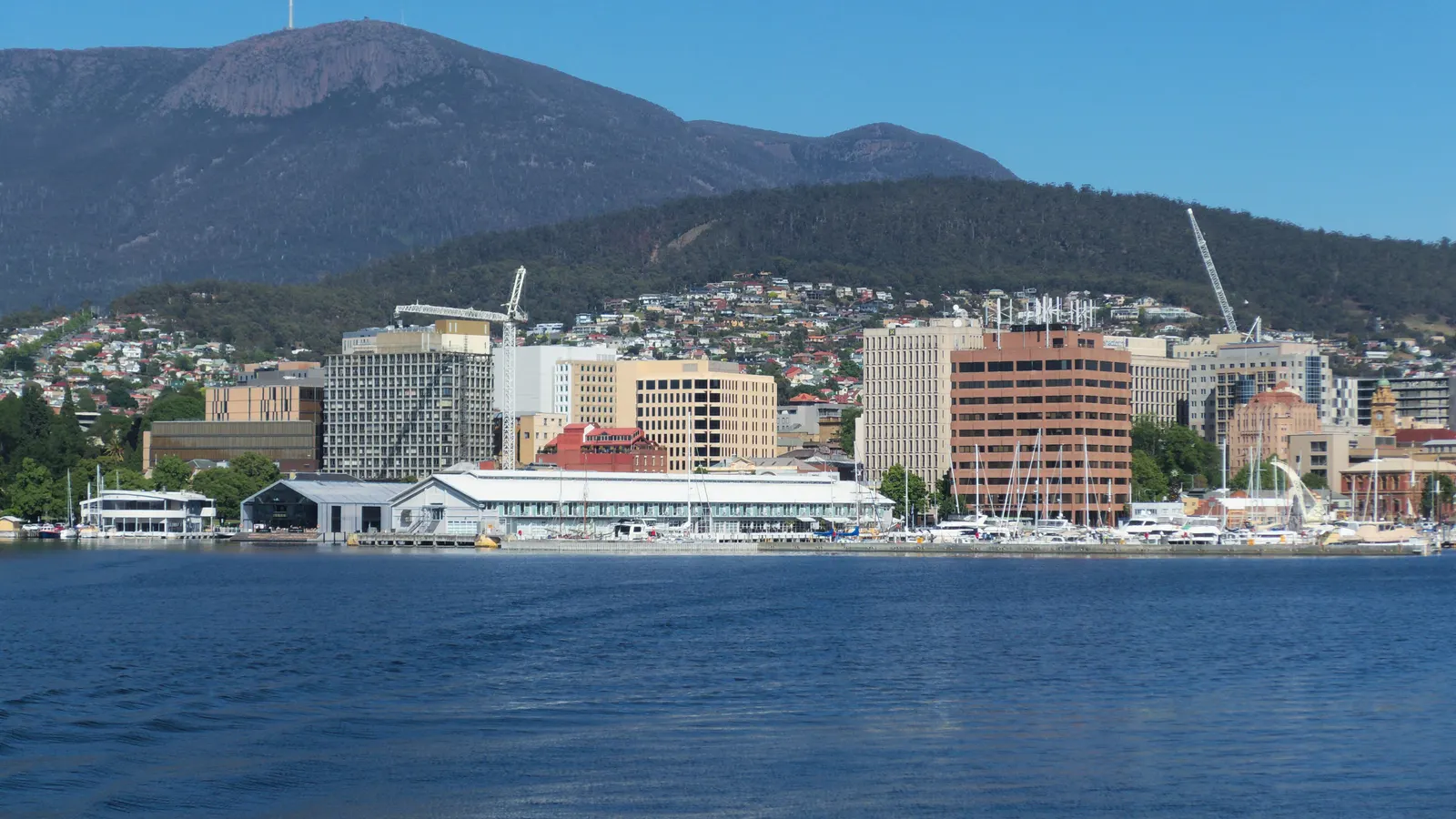
Hobart packs a lot into three days: a waterfront market town, a gallery on the Derwent, a mountain with a road to the summit, a convict site on the Tasman Peninsula and a national park with waterfalls and tall forest. A campervan suits it, as long as you book your nights, because the city has few free options and the best camps are on the peninsula and near Mount Field. If you arrive on the Spirit of Tasmania, remember it lands in Devonport, not Hobart, so give yourself the drive south.
The plan at a glance
The three days run in a loop from Hobart: the city and the mountain on day one, the Tasman Peninsula and Port Arthur on day two, and Mount Field on day three. Distances are modest, about an hour and a half to Port Arthur and an hour and a quarter to Mount Field, so you can see a lot without long driving days.
Tasmanian summers are the busiest time, from December to February, and holiday parks fill. In winter the mountain road can close for snow and daylight is short. Check the weather and road status each morning. Hobart is also one of the driest capitals in Australia, but the weather can change within an hour, so carry a jacket even on a sunny day.
| Day | Do | Drive | Sleep |
|---|---|---|---|
| 1 | kunanyi / Mount Wellington, Salamanca, MONA | Short, around town | Hobart holiday park |
| 2 | Tasman Peninsula and Port Arthur | About 1.5 hours each way | Port Arthur or Fortescue Bay |
| 3 | Mount Field National Park | About 2.5 to 3 hours from Port Arthur | Near Mount Field, or back in Hobart |
- City, peninsula, national park
- Book summer nights ahead
- Check the mountain road each morning
Day 1: kunanyi, Salamanca and MONA
Start with kunanyi / Mount Wellington, because mornings are usually clearest. The Pinnacle Road climbs to the summit lookout, about 1,270 metres up, with views across Hobart and the Derwent. The road is narrow and winding, so take it slowly, and it closes in snow or ice, so check the council's road status before you go. In bad weather you can still enjoy the foothills and the Springs, where walking tracks start among tall eucalypts and the air is much cooler than in town. Large vehicles and anything towing should check the council's advice on the road before driving up, and a campervan is best left in town if you are unsure.
Then go into town for Salamanca Place, a row of sandstone warehouses with galleries, cafes and shops, and the Saturday market if you are there on the day. In the afternoon take the ferry from the waterfront to MONA, the Museum of Old and New Art, which is a few hours on its own. Check opening days, since it does not open every day, and book a ticket for your visit. If you would rather keep the evening free, Constitution Dock and the waterfront have fish and chips and a pleasant walk after dinner.
- Mountain first, clear mornings
- Check the Pinnacle Road status
- Saturday market at Salamanca
Day 2: Port Arthur and the Tasman Peninsula
Drive south-east from Hobart to the Tasman Peninsula, stopping at Richmond for its old bridge and bakery on the way, if you like. At Eaglehawk Neck you can see the Tessellated Pavement, Tasman Arch and the Devils Kitchen, all short walks from the road.
Port Arthur Historic Site is the main stop, a convict settlement with ruins, gardens and a harbour cruise, and it needs a few hours. Tickets have usually covered two consecutive days, so an overnight stay on the peninsula lets you use both, but check the current terms. Allow time for the Remarkable Cave and Fortescue Bay if the light is good. Wildlife is common on the peninsula, so take care at dusk and dawn, when wallabies and pademelons feed beside the road.
- Eaglehawk Neck for short walks
- Allow a few hours at Port Arthur
- Check the ticket terms
Day 3: Mount Field National Park
Mount Field is about an hour and a quarter from Hobart, past Westerway. Russell Falls is a short, sealed walk through tall tree ferns and mountain ash, and it is wheelchair and pram friendly, with a longer circuit to Horseshoe Falls and the Tall Trees track. The Lake Dobson road to the alpine area is steep and partly unsealed, so check the park page before taking a campervan up.
Mount Field needs a parks pass for your vehicle. Take drinking water and wet-weather layers, because conditions change fast. There is a visitor centre and a cafe near the car park, and the walk to Russell Falls takes about 20 minutes each way, so it fits a morning easily. From Mount Field it is under two hours to the city, which suits a flight, hire return or the road north to Launceston, which our Hobart to Launceston guide covers.
- Russell Falls is a short walk
- Check the Lake Dobson road
- Pack layers and water
Where to camp
In Hobart, the choice is holiday parks and caravan parks around the city, with sites in Berriedale and other suburbs on the Derwent, and powered sites, cabins and camp kitchens. They fill in summer, so book early. On the Tasman Peninsula there are holiday parks near Port Arthur and a Parks and Wildlife camping area at Fortescue Bay, in Tasman National Park, which is a fine place for a beach morning and the start of the Cape Hauy walk but has a gravel access road, so book ahead.
Near Mount Field there is a park campground at the entrance, with a booking and fee, and holiday parks in the Derwent Valley. For cheaper stays beyond the city, read our free camping in Tasmania guide, and for rules on fires and permits read our Tasmania camping guide.
- Book summer nights early
- Book Fortescue Bay ahead
- Mount Field has a park campground
Spirit of Tasmania, fuel and costs
The Spirit of Tasmania arrives in Devonport on the north-west coast, not Hobart, and the drive south is roughly 250 to 280 kilometres, around three to four hours. Many people take the Midland Highway, which our Hobart to Launceston guide describes. Book a night near Devonport or Launceston if you land in the evening. Our guide to taking a campervan on the Spirit of Tasmania covers the rules and the biosecurity check.
Fuel is easy to find in Hobart and the main towns, but there is little on the peninsula beyond Port Arthur, so top up before you go. Expect parks passes, camping fees and the Port Arthur ticket to be the main costs, and check the current prices before you travel.
- Devonport to Hobart is 3 to 4 hours
- Top up fuel before the peninsula
- Check passes and fees online
Plan Hobart in AussieCamps
AussieCamps lists campgrounds, national parks, rest areas, dump points and holiday parks around Hobart, the Tasman Peninsula and Mount Field, with each place's facilities, fees and rules as the agency publishes them. Save the three nights to a trip with dates and notes, see the weather for each stop and the driving route with distance and time per leg.
Share the trip with a partner and plan it together live. Search, filters and place details work with no signal, and holiday parks listed by BookEasy can be booked from the app. Park camps are booked with the Parks and Wildlife Service. AussieCamps runs on iPhone and is free to download, with in-app purchases.
- Trip with dates and notes
- Weather for each stop
- Plan it together live
Places along the way
Check before you go
Rules and conditions change. Recheck the official source and the page for your exact park or campground before departure.
Common questions
Does the Spirit of Tasmania go to Hobart?+
No. The ferry from Melbourne arrives in Devonport on the north-west coast, and Hobart is roughly three to four hours south by road. Plan the drive into your first day or night.
Is 3 days enough for Hobart?+
It is enough for Salamanca, MONA, kunanyi / Mount Wellington, Port Arthur and the Tasman Peninsula, and a day at Mount Field. It will feel full, so drop one stop rather than rushing.
Where can you camp near Hobart in a campervan?+
In holiday parks and caravan parks around the city, and in park and council camps on the Tasman Peninsula and near Mount Field. Hobart does not allow camping in streets or car parks, so book ahead in summer.
Do you need a parks pass in Tasmania?+
Yes. Tasmanian national parks, including Mount Field and Tasman National Park, need a parks pass for your vehicle, and camping is a separate fee. Check the current price on the Parks and Wildlife Service page.
Places to camp in Tasmania


Take it on the road
Save the stops. Plan the whole trip.
Build an ordered route from saved places, calculate the distance and keep dates, notes and to-dos attached.