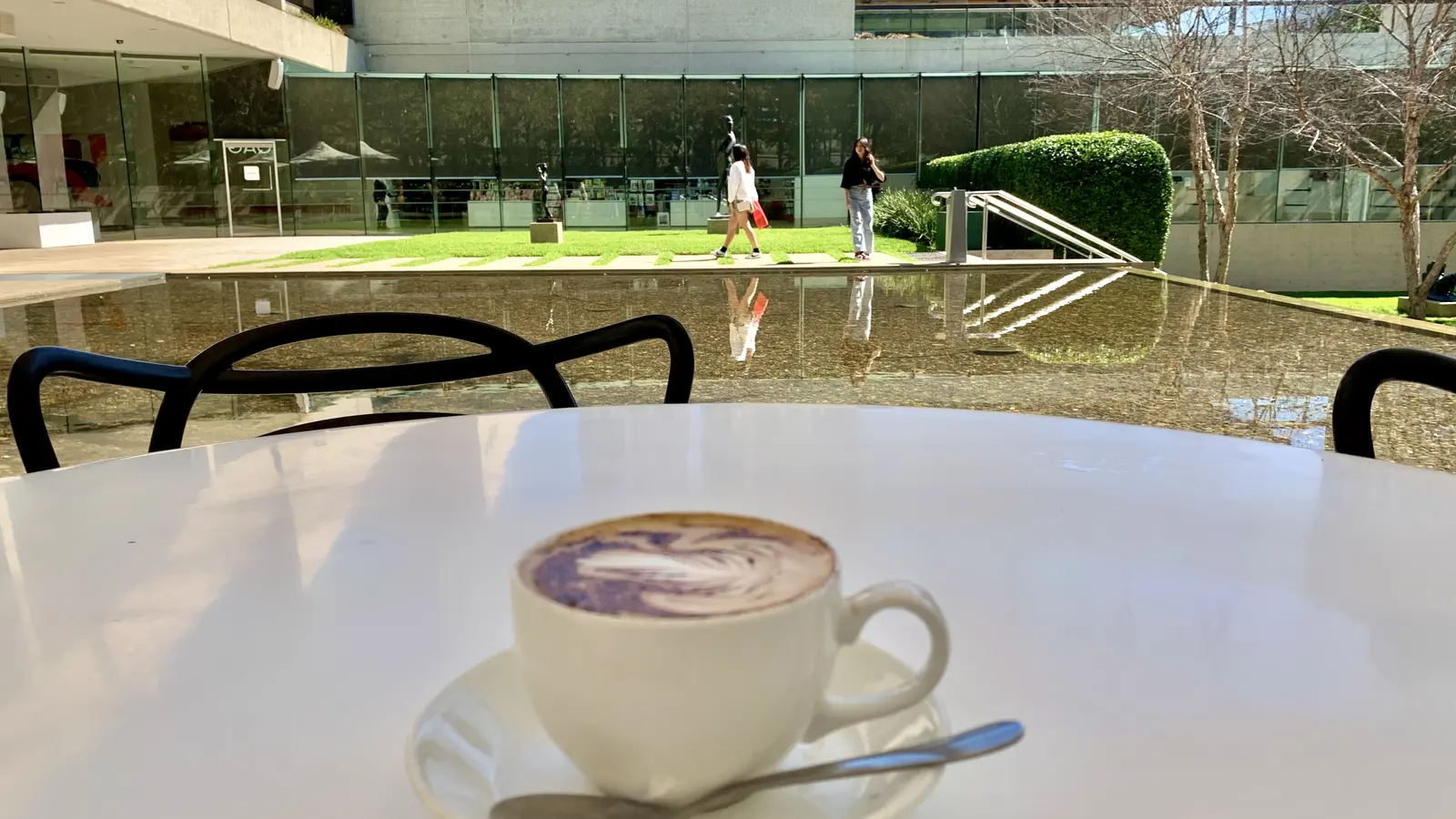
A schooner of beer (425 ml) costs about $8 to $13 in an Australian city pub in November 2026, and a pint (570 ml) about $12 to $18. Perth and country pubs sit at the cheap end, while inner Sydney and Melbourne are the dearest. From a bottle shop, a six-pack of mainstream beer costs about $20 to $28 and a slab of 24 about $55 to $72, which works out at under half the pub price per beer, so drinks bought to take back to camp are the best value by far. To keep the nights cheap as well, the AussieCamps app maps free camping areas and filters campgrounds by fee type across Australia.
Price table in 10 currencies
City pub and bottle-shop ranges for mainstream Australian beer in November 2026. Craft beer, imported beer, waterfront venues and remote areas cost more; happy hours and specials cost less.
| Item | AUD | NZD | USD | GBP | EUR | CNY | INR | SGD | JPY | KRW |
|---|---|---|---|---|---|---|---|---|---|---|
| Pub schooner425 ml | $8.00–$13 | NZD 9.63–NZD 16 | USD 5.65–USD 9.18 | GBP 4.18–GBP 6.80 | EUR 4.90–EUR 7.96 | CNY 38–CNY 62 | INR 539–INR 876 | SGD 7.24–SGD 12 | JPY 901–JPY 1,463 | KRW 7,997–KRW 12,995 |
| Pub pint570 ml | $12–$18 | NZD 14–NZD 22 | USD 8.47–USD 13 | GBP 6.27–GBP 9.41 | EUR 7.35–EUR 11 | CNY 57–CNY 86 | INR 809–INR 1,213 | SGD 11–SGD 16 | JPY 1,351–JPY 2,026 | KRW 11,995–KRW 17,992 |
| Bottle-shop six-pack6 x 375 ml | $20–$28 | NZD 24–NZD 34 | USD 14–USD 20 | GBP 10–GBP 15 | EUR 12–EUR 17 | CNY 95–CNY 133 | INR 1,348–INR 1,887 | SGD 18–SGD 25 | JPY 2,251–JPY 3,152 | KRW 19,992–KRW 27,988 |
| Bottle-shop slab24 x 375 ml | $55–$72 | NZD 66–NZD 87 | USD 39–USD 51 | GBP 29–GBP 38 | EUR 34–EUR 44 | CNY 262–CNY 343 | INR 3,706–INR 4,851 | SGD 50–SGD 65 | JPY 6,191–JPY 8,105 | KRW 54,977–KRW 71,970 |
| Mid-range wine750 ml bottle shop | $12–$29 | NZD 14–NZD 35 | USD 8.47–USD 20 | GBP 6.27–GBP 15 | EUR 7.35–EUR 18 | CNY 57–CNY 138 | INR 809–INR 1,954 | SGD 11–SGD 26 | JPY 1,351–JPY 3,265 | KRW 11,995–KRW 28,988 |
| Cappuccinoone cup | $4.00–$8.00 | NZD 4.81–NZD 9.63 | USD 2.82–USD 5.65 | GBP 2.09–GBP 4.18 | EUR 2.45–EUR 4.90 | CNY 19–CNY 38 | INR 270–INR 539 | SGD 3.62–SGD 7.24 | JPY 450–JPY 901 | KRW 3,998–KRW 7,997 |
Currency figures are mechanical conversions of the AUD benchmark, not card or cash quotes. Banks and payment providers apply their own rates and fees.
Beer prices by city
The table gives typical prices for a mainstream beer such as a local lager or pale ale. A pub price depends heavily on the venue: a suburban pub or a club pours for less than a rooftop bar or a harbourside hotel, and craft beer usually adds $2 to $4 a glass.
Bottle-shop prices change less between cities, because most of the price is excise, the federal tax on alcohol, which is the same everywhere. Darwin and the outback pay more for freight, and Northern Territory bottle shops carry extra rules on hours and ID.
Expect prices to keep creeping up. Excise on packaged beer rises with inflation every February and August, so bottle-shop prices climb through 2027, while the tax on draught beer is frozen until August 2027, which keeps pub prices steadier.
| City | Pub schooner (425 ml) | Pub pint (570 ml) | Six-pack (bottle shop) | Slab of 24 (bottle shop) |
|---|---|---|---|---|
| Sydney | $9 to $13 | $13 to $18 | $21 to $28 | $57 to $72 |
| Melbourne | $9.50 to $14 | $14 to $18.50 | $21 to $28 | $57 to $72 |
| Brisbane | $9 to $13 | $12 to $17 | $21 to $28 | $57 to $72 |
| Perth | $8 to $12 | $9 to $15 | $21 to $28 | $58 to $72 |
| Adelaide | $8.50 to $12 | $12 to $16 | $20 to $27 | $55 to $70 |
| Hobart | $9 to $12 | $12 to $16 | $21 to $28 | $58 to $72 |
| Darwin | $9 to $13 | $13 to $18 | $23 to $30 | $62 to $80 |
| Canberra | $9 to $12 | $12 to $17 | $21 to $28 | $57 to $72 |
| Country pubs | $7 to $10 | $10 to $14 | $22 to $32 | $60 to $85 |
- Perth: cheapest capital pints
- Sydney and Melbourne: dearest
- Country pubs: often cheapest
Glass names and sizes by state
Australian beer glasses change their names at state borders, and the same word can mean a different glass. Ask for a schooner in Sydney and you get 425 ml; ask for one in Adelaide and you get 285 ml, because South Australians call the 425 ml glass a pint and the 570 ml glass an imperial pint.
When in doubt, ask for the size in plain words, or simply say small, medium or large. Bar staff are used to visitors, and the price list on the wall usually names the glasses.
| State or territory | 285 ml | 425 ml | 570 ml |
|---|---|---|---|
| New South Wales and the ACT | Middy | Schooner | Pint |
| Victoria | Pot | Schooner | Pint |
| Queensland | Pot | Schooner | Pint |
| South Australia | Schooner | Pint | Imperial pint |
| Western Australia | Middy | Schooner | Pint |
| Tasmania | Ten or pot | Schooner | Pint |
| Northern Territory | Handle or middy | Schooner | Pint |
- Schooner means 285 ml in SA
- Ask for small, medium or large
- Jugs are about 1.1 litres
Retail and venue prices are different products
A pub price includes the venue, staff and service rather than only the liquid. Compare like with like and do not describe a bottle-shop equivalent as the price of a poured drink. Standard drinks make the comparison fair: Healthy WA puts one standard drink at 10 grams of alcohol, the amount in 285 ml of full-strength beer or 100 ml of wine, so a 500 ml beer is about 1.75 standard drinks and a 750 ml bottle of wine about 7.5.
Per standard drink, pub beer costs about $4 to $9, a slab from the bottle shop about $1.60 to $2.20, and a mid-range bottle of wine about $1.60 to $4. Mid-strength beer, sold on tap almost everywhere, has about a quarter less alcohol for nearly the same price.
- 285 ml full strength: one standard drink
- Slab beer: about $2 a standard drink
- Mid-strength costs about the same
Happy hours and the cheapest ways to drink
Many pubs run a happy hour on weekday afternoons, often around 4 pm to 6 pm, with schooners for about $6 to $9. Some add cheap jugs, a beer with a counter meal, or a steak-and-schooner night. Treat these as a bonus rather than a budget: they change often and many are weekday only.
Clubs such as RSLs, bowls clubs and surf clubs usually pour cheaper than pubs, and visitors are welcome: you sign in at the door with photo ID and become a temporary member for the day.
The cheapest drink of all is a slab or a cask from the bottle shop, chilled in the van fridge or the esky and drunk back at camp. Check the campground rules first, because some national park and council sites, and many beaches and parks in town, ban alcohol or limit it at certain times.
- Weekday happy hours: about 4 to 6 pm
- Clubs welcome visitors with ID
- Check alcohol rules at camp
Buying alcohol in Australia
Packaged alcohol is mostly sold through licensed bottle shops, often next to a supermarket but operating separately, though Aldi and some independent grocers sell it in-store. Trading hours are regulated and vary by state. You must be 18 to buy alcohol, and staff ask anyone who looks under 25 for photo ID: a passport or a driver licence.
Alcohol restrictions apply across many communities and regions, particularly in the Northern Territory, parts of Queensland, Western Australia and South Australia. Carrying alcohol into a restricted area carries substantial penalties.
Check before travelling with alcohol into remote areas. The restrictions are legally enforced, apply to visitors as much as residents, and ignorance is not a defence.
- Mostly bottle shops, some supermarkets
- Bring photo ID
- Check before entering remote regions
Drinking and the driving day
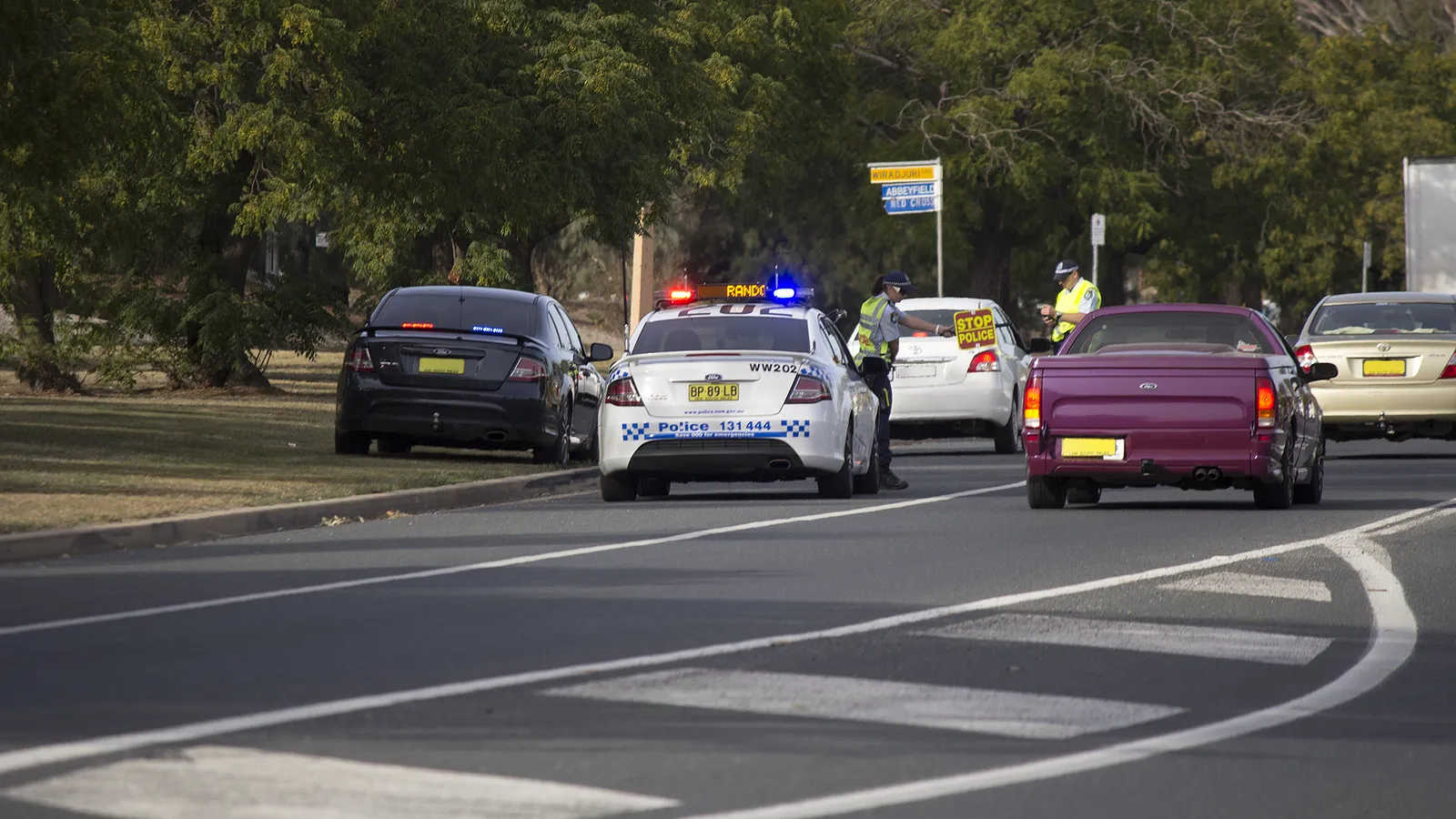
The general limit is 0.05 for full licence holders, zero for learner and provisional drivers, and zero or 0.02 for many professional drivers depending on the state (0.02 in NSW). Random breath testing is common, including on rural roads and during the day.
On a road trip the only safe approach is to separate drinking from driving completely: stay where you are drinking, use a designated driver, or drink once the vehicle is parked for the night.
Morning-after driving catches people out. The body takes at least an hour to clear each standard drink, often longer, and coffee or a shower does not speed it up, so a heavy evening can leave you over the limit well into the next morning.
- 0.05 general, zero for learners and provisionals
- Random testing is common and daytime
- Morning-after driving is the trap
Wine at the bottle shop and at the bar
A mid-range 750 ml bottle of wine costs about $12 to $29 from a bottle shop, and it pours roughly five 150 ml glasses. Ordered by the glass in a bar or restaurant, the same wine usually costs $10 to $16 a glass, so a bottle shared at camp is where wine is cheapest.
Some restaurants, mostly unlicensed ones, let you bring your own bottle for a corkage fee, which turns a bottle-shop price into dinner wine. Ask about it when you book rather than at the table.
- Mid-range bottle: $12 to $29
- About five glasses a bottle
- Ask about BYO when booking
Coffee is a daily line
A regular cappuccino or flat white costs about $4 to $8, with inner-city cafes at the top of the range. Australian coffee culture is strong and the standard in regional towns is genuinely high, which is precisely why it becomes a budget item: two coffees a day for two people adds up without ever feeling like a decision.
A stovetop pot or an AeroPress in the van covers the morning cup for a fraction of the cafe price and leaves the cafe stop as something chosen rather than automatic. Roadhouse coffee on long outback drives is variable, so making your own is usually both cheaper and better.
Tap water is safe and good across almost all Australian towns and cities, so carry refillable bottles rather than buying water. In the bush, treat bore, tank and creek water before drinking it. Heading to New Zealand too? KiwiCamping covers what a beer, a wine and a coffee cost in New Zealand.
- Cappuccino: $4 to $8
- Make the morning cup yourself
- Town tap water is safe
Places along the way
Check before you go
Rules and conditions change. Recheck the official source and the page for your exact park or campground before departure.
- Numbeo Australia drink prices, updated November 2026
- Australian Taxation Office: excise duty rates for alcohol
- Healthy WA: what is a standard drink
- NSW alcohol and driving guidance
- NHMRC: how long alcohol takes to clear
- Northern Territory: buying and drinking alcohol
- NSW Government: club rules for visitors
Common questions
How much is a beer in Australia?+
A schooner (425 ml) of mainstream beer costs about $8 to $13 in a city pub in November 2026, and a pint (570 ml) about $12 to $18. From a bottle shop, a six-pack costs about $20 to $28 and a slab of 24 about $55 to $72, which is less than half the pub price per beer.
How much is a pint in Australia?+
About $12 to $18 for 570 ml of mainstream beer in a city pub, with Perth and country pubs at the cheap end and inner Melbourne and Sydney at the top. In South Australia a pint is the 425 ml glass, which costs about $8.50 to $12; ask for an imperial pint to get 570 ml.
Where is the cheapest beer in Australia?+
Perth and country pubs pour the cheapest beer, and clubs such as RSLs and bowls clubs usually undercut pubs; visitors sign in with photo ID. Weekday happy hours bring schooners down to about $6 to $9, but a slab from the bottle shop, at about $2 a standard drink, is cheapest of all.
How much does coffee cost in Australia?+
A regular cappuccino or flat white costs about $4 to $8, with inner-city cafes often at the top of the range. Two coffees a day for two people becomes a real budget line on a long trip, so many campers make the morning cup themselves.
Take it on the road
Save the stops. Plan the whole trip.
Build an ordered route from saved places, calculate the distance and keep dates, notes and to-dos attached.