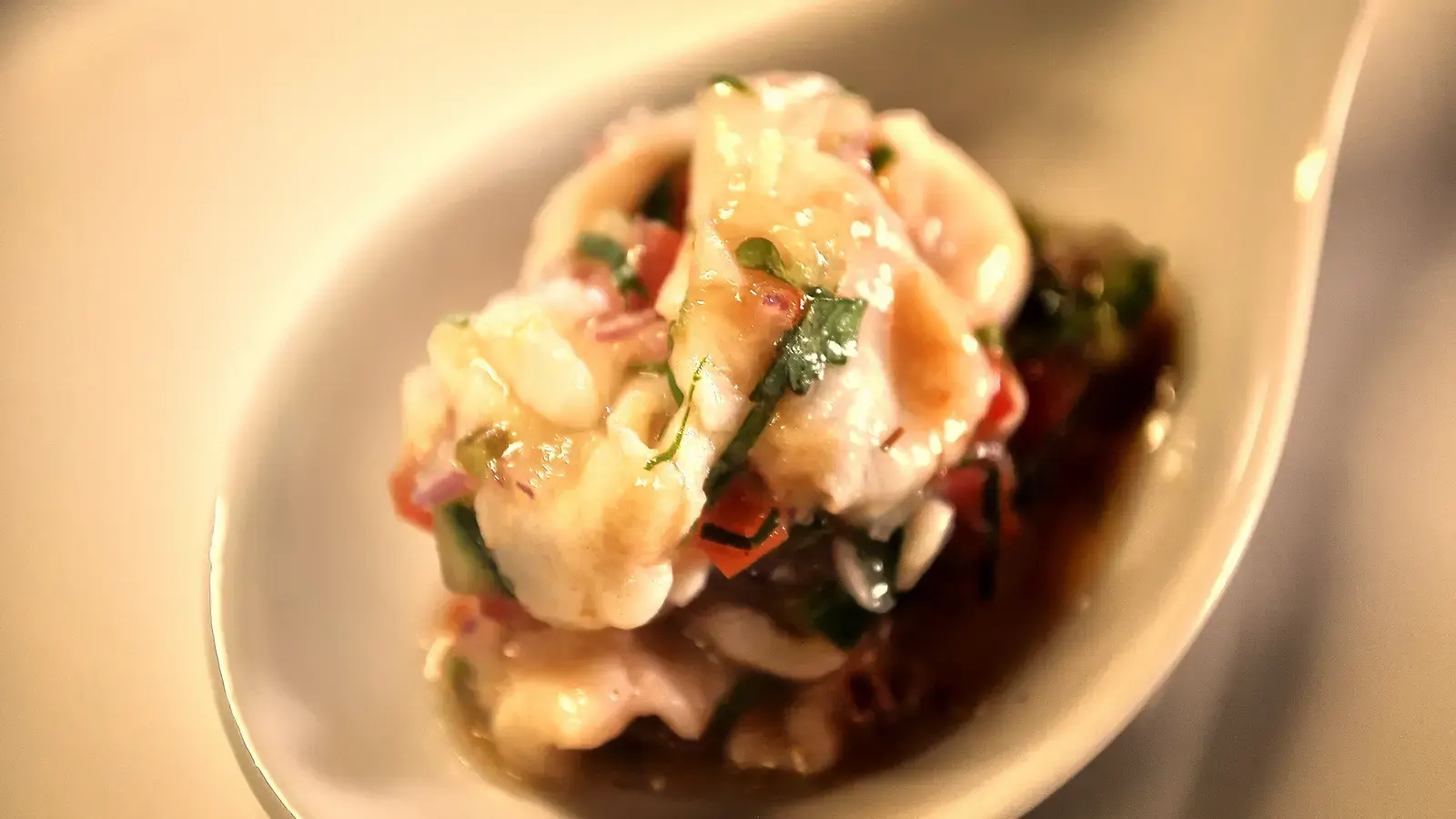
A meal at an inexpensive Sydney restaurant costs about $20 to $45 a person, a fast-food combo $15 to $18 and a three-course dinner for two at a mid-range restaurant $80 to $200, on community price data updated in October 2026. These are Sydney figures; the national ones are close (an inexpensive meal runs $17 to $45), but regional and remote prices can differ. If eating out is stretching the budget, the AussieCamps app shows what each campground charges before you arrive, in your own currency alongside the Australian dollar figure.
Price table in 10 currencies
Sydney community-contributed ranges updated October 2026. Waterfronts, resorts, airports, events and table service can cost more.
| Item | AUD | NZD | USD | GBP | EUR | CNY | INR | SGD | JPY | KRW |
|---|---|---|---|---|---|---|---|---|---|---|
| Inexpensive restaurant mealper person | $20–$45 | NZD 24–NZD 54 | USD 14–USD 32 | GBP 10–GBP 24 | EUR 12–EUR 28 | CNY 95–CNY 214 | INR 1,348–INR 3,032 | SGD 18–SGD 41 | JPY 2,251–JPY 5,066 | KRW 19,992–KRW 44,981 |
| Fast-food comboper person | $15–$18 | NZD 18–NZD 22 | USD 11–USD 13 | GBP 7.84–GBP 9.41 | EUR 9.18–EUR 11 | CNY 71–CNY 86 | INR 1,011–INR 1,213 | SGD 14–SGD 16 | JPY 1,689–JPY 2,026 | KRW 14,994–KRW 17,992 |
| Cappuccinoone cup | $4.50–$8.00 | NZD 5.41–NZD 9.63 | USD 3.18–USD 5.65 | GBP 2.35–GBP 4.18 | EUR 2.75–EUR 4.90 | CNY 21–CNY 38 | INR 303–INR 539 | SGD 4.07–SGD 7.24 | JPY 507–JPY 901 | KRW 4,498–KRW 7,997 |
| Soft drink330 ml | $3.00–$5.00 | NZD 3.61–NZD 6.02 | USD 2.12–USD 3.53 | GBP 1.57–GBP 2.61 | EUR 1.84–EUR 3.06 | CNY 14–CNY 24 | INR 202–INR 337 | SGD 2.71–SGD 4.52 | JPY 338–JPY 563 | KRW 2,999–KRW 4,998 |
| Mid-range meal for twothree courses | $80–$200 | NZD 96–NZD 241 | USD 56–USD 141 | GBP 42–GBP 105 | EUR 49–EUR 122 | CNY 381–CNY 953 | INR 5,390–INR 13,476 | SGD 72–SGD 181 | JPY 9,006–JPY 22,514 | KRW 79,966–KRW 199,916 |
Currency figures are mechanical conversions of the AUD benchmark, not card or cash quotes. Banks and payment providers apply their own rates and fees.
Three workable food styles
Self-catering with one purchased coffee or snack keeps the daily total lowest. A mixed day adds one casual meal, while a restaurant-heavy day can exceed the accommodation cost before drinks.
Breakfast and lunch are often easier to control than dinner. Carrying food also prevents a late arrival from becoming an expensive search near a tourist strip.
Read the menu total properly
Check whether a weekend or public holiday surcharge applies before ordering. Since 1 October 2026 businesses can no longer surcharge eftpos, Mastercard, Visa, American Express or UnionPay payments, and PayPal surcharges stopped from 5 October 2026, but weekend and public holiday surcharges, booking fees and service fees are not affected. Shared plates, sides and drinks still push an ordinary main well past its headline price.
Remote cafes and small towns have different supply costs and opening hours. Treat a published city range as a benchmark, not an entitlement.
- Check surcharges
- Keep a backup meal
- Budget drinks separately
Where eating out earns its place
Set a daily food figure and decide in advance how many bought meals it covers. A fixed number of meals out a week is easier to keep than deciding meal by meal at the end of a long drive.
Track the actual amount for a few days. Visitors often remember the main-course price but forget coffee, snacks and delivery fees.
Where the value actually is
The bakery, the fish and chip shop and the pub counter meal are three reliable cheap options across the country, and quality in regional towns is often as good as in cities.
Pub meals in particular are an Australian institution and often the only dinner option in a small town. Portions are large and prices are often cheaper than a city restaurant.
Cafes generally stop serving food earlier than visitors expect, and small towns can have nothing open after about eight. Carrying something you can cook is what stops a late arrival becoming a missed dinner.
- Pub counter meals are good value
- Regional quality often matches cities
- Small towns close early
Surcharges and payment
Public holiday and weekend surcharges are legal and common, and a cafe or restaurant has to show them on the menu. Card surcharges on eftpos, Mastercard, Visa, American Express and UnionPay ended on 1 October 2026, so the menu price plus any weekend or public holiday surcharge, booking fee or service fee is what you pay.
Tipping is not expected in Australia and staff are paid an award wage. Some payment terminals now prompt for a tip, which is a recent import rather than a local norm.
Cash is increasingly rare and many venues are card only, but remote roadhouses and honesty boxes still need it. Carry a small amount even if you rarely use it.
- Holiday surcharges are normal
- Tipping is not expected
- Keep some cash for remote areas
Eating well without eating out constantly
Spend deliberately on food tied to the place: seafood on the coast, mangoes in the tropics in season, a winery lunch in the Barossa or Margaret River. These are the meals people remember.
Use simple groceries on transfer days, when you are arriving late and leaving early and a meal is fuel rather than an experience. That pattern buys the good meals without making every day expensive.
Lunch menus at good restaurants deliver most of the dinner experience for less. If you want one memorable meal in an expensive town, book it at lunchtime.
- Spend on food tied to the region
- Groceries on transfer days
- Lunch menus beat dinner prices
Ordering and portion expectations
Australian portions are generous and a main course is usually enough without sides. Entrees are starters rather than mains, which confuses North American visitors regularly, and sharing a starter is normal.
Bring-your-own alcohol is common at unlicensed restaurants and some licensed ones, usually with a corkage fee per bottle or per person, so check when booking. It can substantially reduce the cost of a meal out.
Ask locals rather than searching, particularly in small towns where the best meal is frequently at a bowls club or a pub with no online presence at all. Heading to New Zealand too? KiwiCamping has what eating out costs in New Zealand.
- Entree means starter here
- BYO with corkage is common
- Portions are generous
Places along the way
Check before you go
Rules and conditions change. Recheck the official source and the page for your exact park or campground before departure.
Common questions
How much is a meal out in Australia?+
An inexpensive restaurant meal costs about $20 to $45 a person in Sydney and a fast-food combo $15 to $18, on October 2026 community price data. A three-course dinner for two at a mid-range restaurant runs $80 to $200 before drinks.
Do you tip in Australia?+
No. Tipping is not expected and restaurant staff are paid award wages, though rounding up or leaving something for exceptional service is welcome. Sunday and public holiday surcharges are normal and legal when the menu shows them.
Take it on the road
Save the stops. Plan the whole trip.
Build an ordered route from saved places, calculate the distance and keep dates, notes and to-dos attached.