Every traveller landing in Australia must declare food, plant and animal products, and anything with soil on it or used in freshwater, which takes in hiking boots, tents and fishing gear. Declaring costs nothing: Tourism Australia says you will not be penalised for declaring goods, even ones that are not allowed in. A false or missing declaration can bring a fine and the loss of the item, and the Department of Agriculture warns it can also cost you your visa. Clean and dry your gear at home and the check is usually quick. We checked the official guidance on 9 November 2026.
What you must declare
Tourism Australia lists the goods every arriving passenger must declare: meat, poultry, fish, seafood, eggs, dairy, fruit and vegetables; animals and animal products, including pet food, shells and bee products; and soil, items with soil attached, or items used in freshwater areas, such as sports and recreational equipment and shoes. Customs goods are on the same card, including purchases over A$900 per adult and A$10,000 or more in cash.
The Department of Agriculture names camping equipment, backpacks included, along with hiking and fishing gear, as things to declare if they carry soil or other contamination. It also asks travellers who have been in a rural area or near farm animals to say so on the card. If you are unsure whether something counts, declare it.
| Item | Declare it? | What usually happens |
|---|---|---|
| Hiking boots used on trails | Yes, if dirty or used near freshwater | Inspected; soil means cleaning or treatment at your cost |
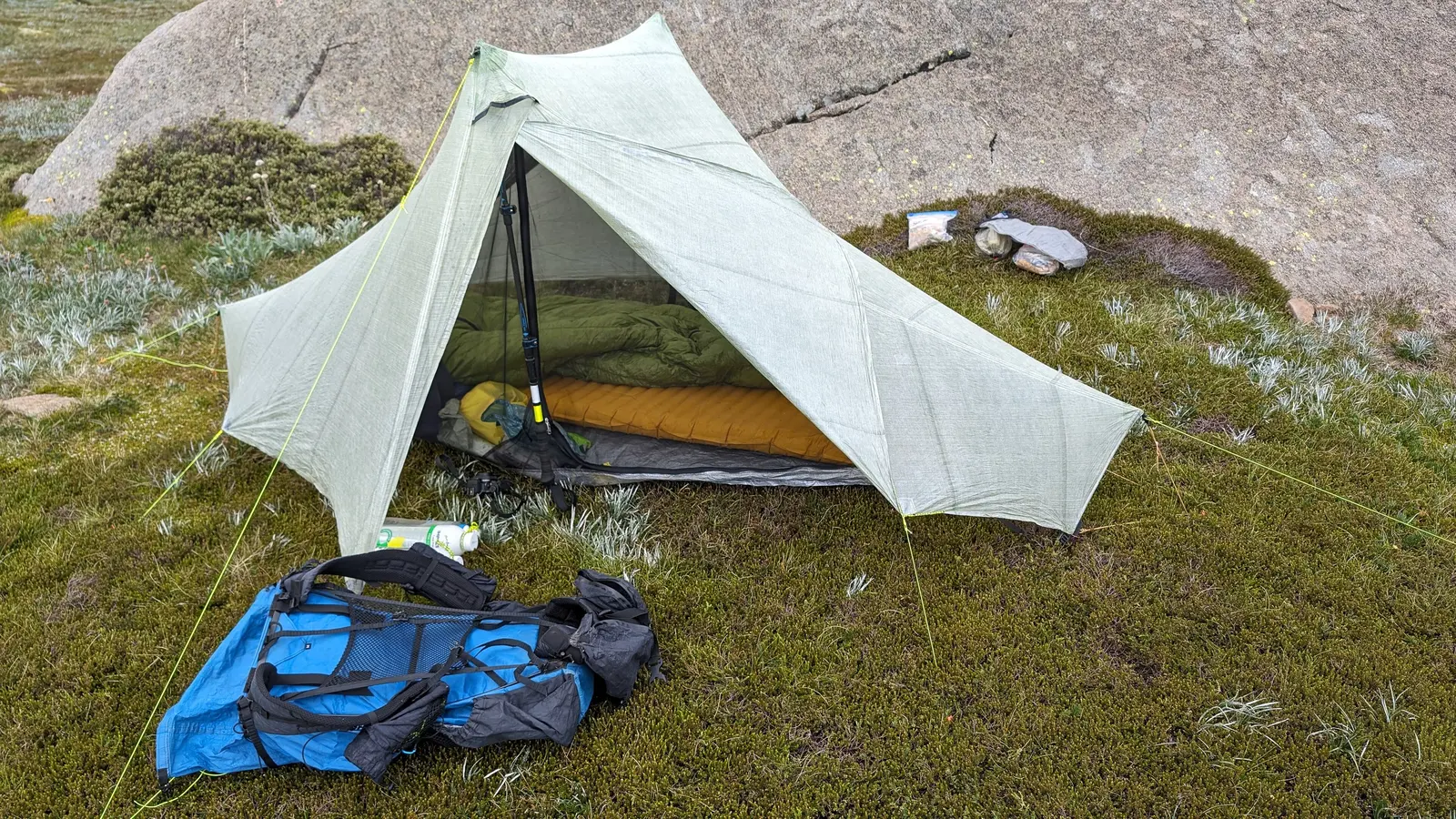
| Tent, pegs and groundsheet | Yes, if soil or plant material is on them | Inspected and returned if clean and dry |
| Fishing gear, waders, wetsuits | Yes, if used in freshwater | Inspected for water, mud and plant material |
| Packaged camp food | Yes, all food | Most is low risk and handed back |
| Fresh fruit, meat, eggs, dairy | Yes | Often not allowed in; bin it or declare it |
- Declare all food, even packaged
- Declare used outdoor gear
- Unsure? Declare it
Clean and dry your gear before you fly
The Department of Agriculture says equipment and clothing used overseas should be thoroughly cleaned and dried before you travel, and that you must still declare it for inspection. Its cleaning steps for footwear are to shake or scrape off loose soil and plant matter, then wash the soles, laces, velcro and outside surfaces with soap or detergent, water and a brush.
Do the same for a tent: shake it out, wash the pegs and the groundsheet, and let everything dry fully before you pack it, because damp fabric and mud are what officers look for. Camping and sporting equipment is allowed in, but the department says it must be clean and dry on arrival, or it is treated, exported or destroyed at your expense. Pack used gear near the top of a bag so it is easy to show.
- Scrub soles and laces
- Dry the tent fully
- Pack used gear on top
At the airport: the card, the dogs and the X-ray
Cabin crew hand out the Incoming Passenger Card before landing, and Tourism Australia says cards are also available near the border area in several languages. The Department of Agriculture says a digital version, the Australia Travel Declaration, has been piloted with Qantas on some flights; if you are not offered it, fill in the paper card.
After passport control, a Border Force officer collects the card and may ask what you are carrying. Detector dogs work the arrivals halls, bags can be X-rayed and searched, and that applies even when you declare nothing. Bins before the customs line let you throw out food you would rather not declare.
- Card from the cabin crew
- Dogs and X-ray for everyone
- Bin food before the line
What declaring costs, and what hiding costs
Declared goods go to a biosecurity officer, who decides the risk. Tourism Australia says that in most cases goods are low risk and are handed back after the inspection. If an item carries risk, you can pay for it to be treated, pay to send it out of the country, or give it up.
Not declaring is where it goes wrong. Tourism Australia says undeclared or falsely declared items can be seized and the traveller fined, or even jailed for a criminal offence. The Department of Agriculture adds that your visa may be cancelled, in which case you are refused entry and may not be able to return for up to three years.
- Declared: inspected, usually returned
- Hidden: fines or prosecution
- A cancelled visa can mean three years out
Inside Australia: the next borders
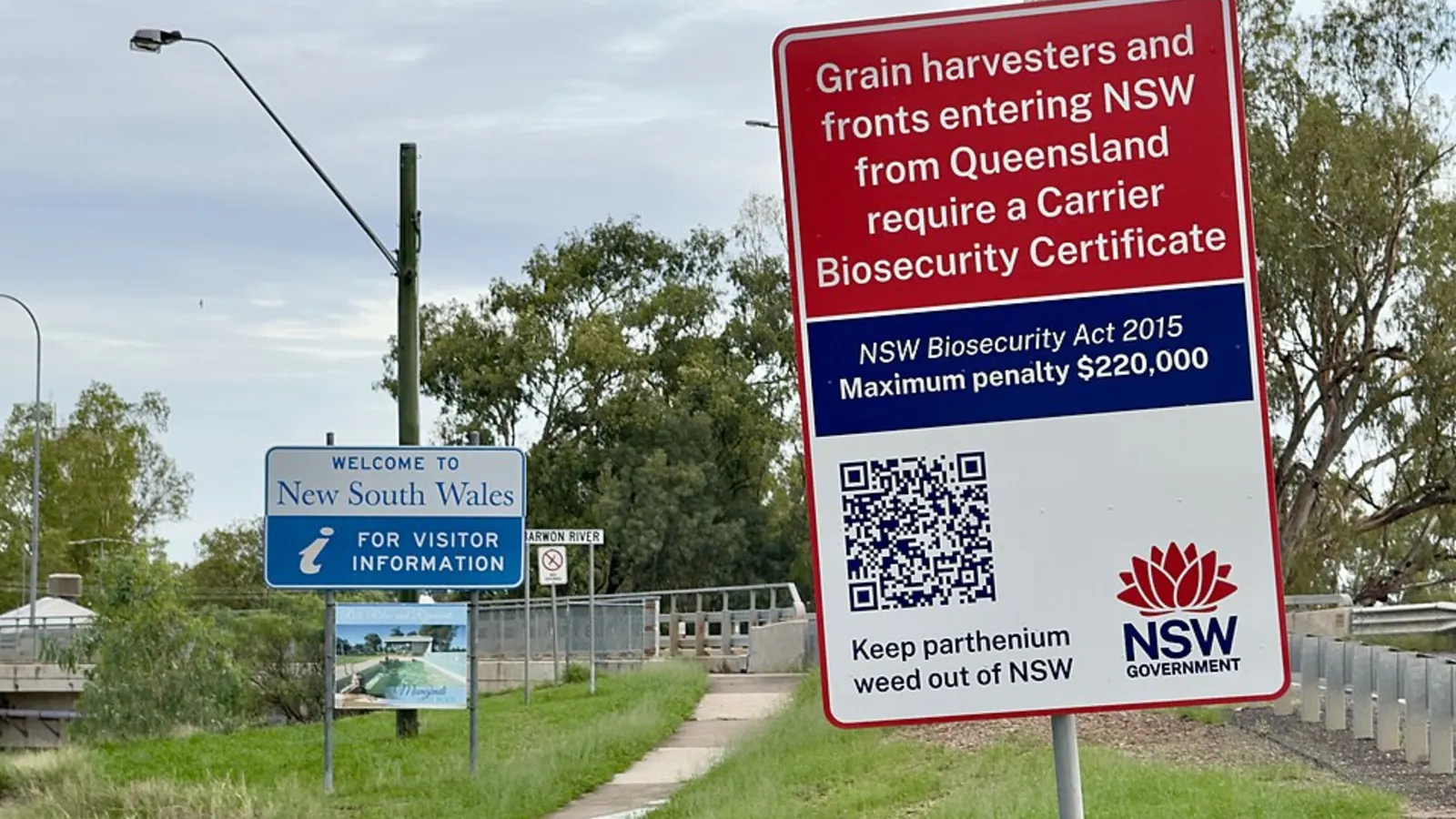
Clearing the airport is not the last check. Several states keep their own biosecurity rules, so fresh fruit, vegetables, honey, plants and soil can be stopped again at the Western Australian, South Australian and Tasmanian borders, with disposal bins at the checkpoints. Tourism Australia notes that plant and food items such as fruit, vegetables and honey are not allowed between some state borders.
Plan food shopping around those lines, and keep cleaning boots and tent pegs between regions: soil moves plant disease inside Australia as easily as it does from overseas. Western Australia's dieback areas have boot-cleaning stations at walk entrances.
- Run the fridge down before a border
- Clean boots between regions
- Use the bins at checkpoints
Plan the first nights in AussieCamps
Once you are through, AussieCamps lists campgrounds, rest areas, drinking water points and dump points around each arrival city, with the facilities, fees and access notes the park agencies publish. It also lists holiday parks, motels and B&Bs you can book in the app for a first night with a shower.
Save your first stops to a trip and AussieCamps shows the driving distance and time for each leg. Place details stay readable with no signal; the map, directions and weather need a connection. AussieCamps runs on iPhone.
- Camps near the airport
- Bookable first nights
- iPhone only
Places along the way
Check before you go
Rules and conditions change. Recheck the official source and the page for your exact park or campground before departure.
- Tourism Australia: customs and biosecurity FAQs
- Department of Agriculture: international travel and biosecurity
- Department of Agriculture: advice to travellers arriving in Australia
- Department of Agriculture: bringing or mailing goods to Australia
- Department of Agriculture: travelling to Australia
- Interstate Quarantine: rules by state and territory
Common questions
Do I need to declare my tent and hiking boots when I arrive in Australia?+
Yes, if they have soil or plant material on them or have been used in freshwater areas. Tick yes on the arrival card, then show them to the officer. Clean, dry gear is usually inspected and handed back to you.
What happens if I declare food at Australian customs?+
An officer inspects it. Tourism Australia says most declared goods are low risk and are returned after the inspection. Risky items can be treated or exported at your cost, or left for destruction, and you are not penalised for declaring them, even if they are not allowed in.
Take it on the road
Save the stops. Plan the whole trip.
Build an ordered route from saved places, calculate the distance and keep dates, notes and to-dos attached.